GRCC
(Verse 1)
I’ve been away for far too long
Missing the halls where I belong
Grand Rapids Community College, my heart’s true home
Where dreams took flight and knowledge shone
(Chorus)
I’m coming home, to the place I know
Where my spirit soars and my passions grow
Grand Rapids Community College, my guiding light
Back to the halls where I shine so bright
(Verse 2)
Twenty years have passed in a blink
But the memories of learning still link
The classrooms, the labs, the friends I made
A tapestry of knowledge, carefully laid
(Chorus)
I’m coming home, to the place I know
Where my spirit soars and my passions grow
Grand Rapids Community College, my guiding light
Back to the halls where I shine so bright
(Bridge)
I’ve traveled far, seen many things
But the longing for GRCC never stings
The desire to teach, to share, to inspire
Burns within me, a burning fire
(Chorus)
I’m coming home, to the place I know
Where my spirit soars and my passions grow
Grand Rapids Community College, my guiding light
Back to the halls where I shine so bright
(Outro)
GRCC, my alma mater, my heart’s delight
I’m coming home, with all my might
To share my knowledge, to nurture minds
And leave my mark on education’s kind
Solfeggio Frequencies: The Ancient Healing Power of Music
Throughout history, music has been recognized for its profound impact on the human mind and body. From the calming melodies of classical music to the rhythmic beats of tribal drums, music has the ability to evoke emotions, alter moods, and even influence physical health. Among the vast array of musical traditions, solfeggio frequencies stand out for their unique ability to promote healing and well-being.
Solfeggio frequencies are specific tonal vibrations that have been associated with various therapeutic benefits. These ancient tones, believed to originate from Gregorian chants, are said to possess the power to harmonize the body’s energy centers, reduce stress, and promote emotional balance.
**The Healing Properties of Solfeggio Frequencies**
Each solfeggio frequency is associated with a specific purpose and healing property. Some of the most notable frequencies include:
* **174 Hz (Ut):** Relieves pain and stress
* **285 Hz (Re):** Restores damaged tissues and organs
* **396 Hz (Mi):** Eliminates fear and guilt
* **417 Hz (Fa):** Removes negative energy
* **528 Hz (Sol):** Repairs DNA and promotes transformation
* **639 Hz (La):** Opens the heart and promotes harmony
* **741 Hz (Si):** Detoxifies cells and organs
* **852 Hz (Do):** Awakens intuition and raises cellular energy
* **963 Hz (Do#):** Connects to the Higher Self and opens spiritual awareness
**The Potential of Solfeggio Music in Healing**
Solfeggio music, which incorporates these ancient frequencies, has been shown to have a variety of potential healing benefits. Studies have suggested that solfeggio music can:
* **Reduce stress and anxiety**
* **Improve sleep quality**
* **Boost mood and well-being**
* **Promote emotional balance**
* **Enhance creativity and focus**
* **Support healing and regeneration**
**Psalms and Solfeggio Frequencies: A Harmonious Connection**
While solfeggio frequencies have been studied for their healing properties, some researchers believe that the ancient psalms, when played correctly, may also incorporate these frequencies. The specific tones and intervals used in the psalms are said to resonate with the solfeggio frequencies, creating a harmonious blend that promotes healing and spiritual upliftment.
**Exploring the Healing Power of Solfeggio Music**
Whether or not the psalms embody solfeggio frequencies, the therapeutic potential of solfeggio music remains undeniable. With its ability to soothe the mind, calm the body, and promote emotional balance, solfeggio music offers a powerful tool for self-healing and well-being. As research continues to explore the depths of its healing potential, solfeggio music is poised to play an increasingly significant role in holistic healthcare.
**Incorporating Solfeggio Music into Your Life**
To experience the benefits of solfeggio music, consider incorporating it into your daily routine. Listen to solfeggio tracks while meditating, practicing yoga, or simply relaxing at home. You can also find solfeggio music combined with ambient sounds or nature recordings, creating a more immersive and relaxing experience.
As you embark on your journey with solfeggio music, remember that consistency is key. Regular listening can help you cultivate a deeper connection with the frequencies, allowing them to work their magic on your mind, body, and spirit. Embrace the transformative power of solfeggio music and discover the profound healing resonance that lies within its ancient tones.
Jesus, Ironic?
**The Ironic Messiah: Unveiling the Paradoxical Life of Jesus Christ**
In the annals of human history, few figures have captured the imagination and inspired the devotion of Jesus Christ. His life and teachings have been the subject of countless books, sermons, and artworks, and his influence on the world is undeniable. Yet, despite his immense impact, Jesus’ life is also marked by a profound irony, a constant interplay between the expected and the unexpected, the mundane and the miraculous. This irony is echoed in the prophetic words of Isaiah chapter 11, a passage that paints a vivid picture of a Messiah who will bring about a transformation of the world, not through power and force, but through humility, justice, and peace.
**A Humble Beginning for the Son of God**
Jesus’ birth itself was a paradoxical event, fulfilling the prophecy of Isaiah 11:1, which foretells the emergence of a “shoot” or “branch” from the “stump” of Jesse, the father of King David. Yet, this “branch” was not born into the grandeur of royalty but into the humble surroundings of a manger, a place associated with animals and the marginalized. This humble beginning foreshadowed the paradoxical nature of Jesus’ ministry, a ministry that would challenge the status quo and redefine the very meaning of power and authority.
**A Ministry Steeped in Paradox**
Jesus’ ministry was characterized by a consistent pattern of paradox and contradiction, reflecting the themes of Isaiah 11. He associated with the poor and the outcasts, the sick and the sinners, those who were considered to be on the fringes of society, fulfilling Isaiah’s prophecy that the “wolf will live with the lamb, and the leopard will lie down with the kid” (Isaiah 11:6). He challenged the established religious authorities, questioning their interpretations of the law and their emphasis on outward rituals, echoing Isaiah’s condemnation of those who “judge by appearance or decide by hearsay” (Isaiah 11:3). His teachings were often enigmatic and paradoxical, filled with parables and aphorisms that defied easy interpretation, mirroring Isaiah’s prediction that the Messiah would “speak with righteousness” and “judge with equity for the meek of the earth” (Isaiah 11:4-5).
**The Ultimate Act of Irony: Death on the Cross**
The ultimate act of irony in Jesus’ life was his death on the cross, a stark contrast to the image of the triumphant Messiah portrayed in Isaiah 11. Yet, this seemingly contradictory act was the culmination of Jesus’ paradoxical ministry, fulfilling Isaiah’s prophecy that the Messiah would be “struck by the rod of his mouth, and with the breath of his lips he will slay the wicked” (Isaiah 11:4). Through his death, Jesus paid the ultimate price for humanity’s sins, offering forgiveness and redemption to all who would receive it.
**Irony as a Revelation of True Nature**
The irony that permeates Jesus’ life and teachings is not a sign of weakness or contradiction; it is a revelation of his true nature and message. Just as Isaiah 11 paints a picture of a Messiah who would bring about a transformation of the world through humility, justice, and peace, so too did Jesus’ life and death embody these paradoxical virtues. He challenged the world’s expectations of power and glory, demonstrating that true strength lies in humility and service, that true justice is found in forgiveness and compassion, and that true peace is rooted in reconciliation and love.
**Conclusion: Embracing the Paradox**
The irony of Jesus Christ’s life and teachings invites us to embrace the paradoxical nature of our own lives. We too are filled with contradictions, our hopes and dreams often clashing with the harsh realities of life. Yet, it is through these contradictions that we can grow and learn, that we can discover the true meaning of love, forgiveness, and redemption. Just as Jesus’ life was a tapestry of irony, so too can our lives be a journey of paradoxical discovery, leading us to a deeper understanding of ourselves, of others, and of the world around us. As we reflect on Isaiah’s prophetic words and the paradoxical life of Jesus, we are reminded that true transformation often comes through the unexpected, the seemingly contradictory, and the humble.
It’s a free ride when you’ve already paid
It’s the good advice that you just didn’t take
And who would’ve thought it, it figures
Mr. Play-It-Safe was afraid to fly
He packed his suitcase and kissed his kids good-bye
He waited his whole damn life to take that flight
And as the plane crashed down he thought “Well isn’t this nice”
And isn’t it ironic, don’t you think?
It’s like rain on your wedding day
It’s a free ride when you’ve already paid
It’s the good advice that you just didn’t take
And who would’ve thought it, it figures
Well life has a funny way of sneaking up on you
When you think everything’s okay and everything’s going right
And life has a funny way of helping you out when
You think everything’s gone wrong and everything blows up in your face
A traffic jam when you’re already late
A “No Smoking” sign on your cigarette break
It’s like ten thousand spoons when all you need is a knife
It’s meeting the man of my dreams, and then meeting his beautiful wife
And isn’t it ironic, don’t you think?
A little too ironic, and yeah I really do think
It’s like rain on your wedding day
It’s a free ride when you’ve already paid
It’s the good advice that you just didn’t take
And who would’ve thought it, it figures
Life has a funny way of sneaking up on you
Life has a funny, funny way of helping you out
Helping you out
Thanksgiving
Thanksgiving has its roots in the 17th century, when English Pilgrims who had settled in Plymouth, Massachusetts, held a harvest feast to express gratitude for their safe arrival in the New World and for their abundant crop yield. The feast was shared with the Wampanoag people, who had helped the Pilgrims survive their first year in America.
Thanksgiving celebrations continued to be held sporadically in New England throughout the 18th century. In 1789, President George Washington issued a proclamation calling for a national day of thanksgiving, but the holiday was not yet officially recognized by the federal government.
In 1863, President Abraham Lincoln issued another proclamation calling for a national day of thanksgiving, this time in the midst of the Civil War. Lincoln hoped that a national day of thanksgiving would help to unite the country and foster a spirit of hope and gratitude.
After the Civil War, Thanksgiving became an annual tradition in the United States. In 1941, President Franklin D. Roosevelt signed a law that fixed the date of Thanksgiving on the fourth Thursday of November.
Today, Thanksgiving is one of the most celebrated holidays in the United States. It is a time for families to gather together, share meals, and express gratitude for their blessings. The holiday is also marked by traditional activities such as watching football, participating in parades, and volunteering at local soup kitchens or shelters.
The Mind and Religious Psychology
Religion has been a cornerstone of human civilization for millennia, providing a framework for understanding the world, our place within it, and the nature of morality. While religious beliefs often center on faith and spiritual experiences, there is also a fascinating intersection between religion and psychology.
In particular, Christianity, with its rich symbolism and narratives, offers a wealth of insights into the human psyche. By examining the concepts of hell, angels, and demons through a psychological lens, we can gain a deeper understanding of our own minds and the forces that shape our thoughts and behaviors.
**Hell: A State of Mind**
Traditional Christian theology depicts hell as a physical place of eternal torment, where those who have committed grave sins are punished after death. However, from a psychological perspective, hell can be viewed as a metaphorical representation of the internal suffering that arises from negative thoughts, emotions, and behaviors.
When we engage in actions that contradict our values and sense of morality, we create a state of inner turmoil and conflict. This internal dissonance can manifest as guilt, shame, and anxiety, which can feel like a form of self-inflicted punishment, much like the fires of hell are often described in religious texts.
By recognizing hell as a state of mind, we can take steps to alleviate our inner suffering. Through self-reflection, therapy, and spiritual practices, we can cultivate greater self-awareness, make amends for past mistakes, and adopt more positive and constructive patterns of thinking and behavior.
**Angels and Demons: Archetypes of the Subconscious**
In Christianity, angels represent divine benevolence and guidance, while demons symbolize evil and temptation. These figures, though often perceived as supernatural entities, can also be understood as archetypes within the human psyche.
Angels represent the higher aspects of our nature, such as compassion, love, and wisdom. They serve as our inner guides, urging us towards self-actualization and a life aligned with our values.
Demons, on the other hand, represent the darker aspects of our psyche, including our fears, insecurities, and destructive tendencies. They can tempt us towards self-sabotage, harmful behaviors, and moral transgressions.
By understanding angels and demons as archetypes, we can gain a deeper appreciation of the internal conflict that plays out within each of us. We can recognize the influence of these archetypes on our thoughts, feelings, and actions, and make conscious choices to align ourselves with the positive forces represented by angels.
**Religion as a Psychological Tool for Self-Transformation**
Religion, particularly Christianity, offers a rich tapestry of symbols, narratives, and rituals that can serve as powerful tools for personal transformation. By engaging with these elements in a psychologically informed way, we can cultivate greater self-awareness, foster positive change, and live more fulfilling lives.
Examining religious concepts through a psychological lens allows us to move beyond literal interpretations and uncover deeper layers of meaning. By recognizing the psychological underpinnings of religious beliefs, we can harness their power to promote personal growth, spiritual understanding, and a more compassionate and harmonious existence.
Have you ever noticed that people often go silent when they know they’ve wronged you? This perplexing behavior stems from a complex interplay of emotions, including guilt, shame, and fear. While it may seem counterintuitive, there are several reasons why people tend to avoid communication when they’ve made a mistake.
- Guilt and Shame: When we hurt someone, we often experience a surge of guilt and shame. These emotions are deeply uncomfortable and can trigger our defense mechanisms, leading us to withdraw and avoid confrontation. We may feel like we don’t deserve to be heard or forgiven, and we may fear the consequences of facing our wrongdoing.
- Fear of Judgment: We also fear the judgment and disapproval of others, especially those we care about. The thought of facing their disappointment and anger can be overwhelming, leading us to avoid the situation altogether.In some cases, we may even internalize this fear, believing that we are inherently flawed and undeserving of empathy.
- Difficulty Admitting Wrongdoing: Admitting our mistakes requires humility and a willingness to confront our imperfections. This can be a difficult process, especially for those who struggle with self-acceptance or who have a strong need to maintain a positive self-image.
- Unresolved Emotions: In some cases, people may avoid addressing their mistakes due to unresolved emotions. If they haven’t fully processed the guilt and shame associated with their actions, they may not be able to have a constructive conversation about it.
- Inability to Apologize: Not everyone is comfortable or skilled at apologizing. Some people may struggle to articulate their feelings or find the right words to express their remorse. This can lead to further avoidance and unresolved conflict.
While it’s understandable why people might avoid confronting their mistakes, it’s important to remember that silence often perpetuates the problem. Open and honest communication is essential for resolving conflict, repairing relationships, and personal growth. If someone has wronged you, consider reaching out to them in a respectful and understanding manner.Let them know how their actions have affected you and give them the opportunity to make amends.
Remember, everyone makes mistakes, and it’s human nature to avoid uncomfortable situations. However, by addressing our wrongdoings and seeking forgiveness, we can demonstrate our maturity, empathy, and commitment to growth. Open communication is the foundation for healthy relationships and a fulfilling life.
**Music’s Healing Touch: Soothing the Mind, Inspiring the Heart, and Awakening the Soul**
Music has long been recognized as a powerful force that can evoke a wide range of emotions, from joy and excitement to sadness and tranquility. But beyond its ability to stir our feelings, music also possesses a remarkable capacity to heal and transform. Its therapeutic effects have been documented through numerous studies, demonstrating its positive impact on both mental and physical well-being.
**Unveiling the Healing Frequencies of Solfeggio**The ancient Solfeggio scale, comprised of nine specific frequencies, is believed to possess unique healing properties. Each frequency is associated with a particular aspect of well-being:* **396 Hz:** Liberating guilt and fear* **417 Hz:** Facilitating change and undoing situations* **528 Hz:** Transformation and miracles, DNA repair* **639 Hz:** Relationships and connecting with others* **741 Hz:** Awakening intuition and enhancing problem-solving* **852 Hz:**
Returning to spiritual order**Binaural Beats: Harmonizing the Brainwaves for Optimal Functioning**Binaural beats, created by playing slightly different frequencies to each ear, have been shown to induce specific brainwave states. These states, associated with relaxation, focus, and creativity, can be utilized for various therapeutic purposes, including:* **Stress reduction and anxiety relief*** **Improved sleep quality*** **Enhanced concentration and learning*** **Pain management*** **Creativity stimulation****
Isochronic Tones: Directing Brainwaves for Targeted Healing**Isochronic tones, characterized by a single frequency pulsed at regular intervals, directly entrain brainwaves to the desired state. This targeted approach is particularly beneficial for:* **Deep meditation and relaxation*** **Achieving specific states of consciousness*** **Promoting mental performance*** **Facilitating emotional healing****
The Soulful Saxophone: A Symphony of Soothing Sounds**The saxophone, renowned for its rich, expressive tone, possesses a unique ability to evoke emotions and promote relaxation. Its smooth, undulating melodies can:* **Calm the nervous system*** **Reduce stress and anxiety*** **Promote feelings of peace and tranquility*** **Enhance creativity and emotional expression****Music’s Holistic Healing Power**Music’s healing potential extends beyond its individual components. The holistic experience of listening to music engages multiple sensory pathways, stimulating the mind, heart, and soul simultaneously. This multi-sensory activation fosters a sense of calm, well-being, and inner harmony.**
Incorporating Music into Your Healing Journey**To harness the healing power of music, consider incorporating it into your daily routine:* **Listen to calming, relaxing music during times of stress or anxiety*** **Utilize binaural beats or isochronic tones for specific therapeutic purposes*** **Attend live music performances to experience the emotional resonance of music in a shared setting*** **Explore different genres and styles of music to discover personal favorites*** **Engage in musical activities, such as playing an instrument or singing, for creative expression and relaxation**Music, with its ability to soothe the mind, inspire the heart, and awaken the soul, offers a profound pathway to healing and transformation. By embracing the power of music, we can cultivate a sense of inner harmony, enhance our well-being, and discover the boundless potential for healing that lies within the realm of sound.
Waking Up
Dear Reader,
I understand your frustration with religion, particularly Christianity. It’s natural to question beliefs that don’t make sense to you, and it’s understandable to be skeptical of claims that lack evidence.
I want to assure you that your skepticism is valid. There is no scientific evidence to support the existence of God or the supernatural claims made by many religions. In fact, much of the evidence we have points to the contrary.
It’s also important to remember that the Bible is a collection of texts written by different authors over hundreds of years. It’s not a single, unified text, and there are many contradictions and inconsistencies within it.
I also understand your suspicion of Christians. Unfortunately, there are many Christians who use their religion to justify harmful and discriminatory behavior. This is not the true message of Christianity, but it is often the message that is conveyed by Christians who are more interested in power and control than in love and compassion.
I want to encourage you to keep questioning and seeking answers. There are many resources available to help you learn more about the world and about different religions. I also encourage you to talk to people who have different beliefs than you. You may be surprised at what you learn.
Ultimately, the decision of whether or not to believe in religion is a personal one. There is no right or wrong answer. The most important thing is to be honest with yourself about your beliefs and to respect the beliefs of others.
Sincerely,
A fellow seeker of truth
The Perils of Blind Faith: Navigating the Dangers of Religious Extremism
Letter to myself:
“Some of those that brought crosses are the same that brought FORCES”
In a world grappling with complex challenges and uncertainties, it’s understandable to seek solace and guidance in faith. Religion, in its purest form, offers a framework of ethics, morality, and spiritual connection, providing a sense of purpose and meaning to life. However, when taken to extremes, religion can morph into a dangerous force, breeding intolerance, extremism, and even violence.
Fundamentalism, characterized by an unwavering adherence to a rigid interpretation of religious texts, often coupled with a rejection of scientific evidence and critical thinking, is a breeding ground for extremism. This rigid mindset fosters a sense of “us vs. them,” leading to the demonization of those who hold different beliefs. The notion of absolute certainty, often espoused by fundamentalists, can be particularly harmful, as it dismisses the possibility of empathy, understanding, and common ground.
As a society, we must remain vigilant against the dangers of religious extremism, particularly in its far-right manifestations. These groups often exploit religious beliefs to justify their hateful ideologies, promoting violence, discrimination, and oppression. Their twisted interpretation of faith serves as a cloak for their prejudices and bigotry.
The story of your friend, who has become so consumed by religious dogma that he has lost his ability to think critically and embrace tolerance, is a stark reminder of the perils of blind faith. His assertion that those who differ in their beliefs are destined for hell reflects a dangerous mindset that breeds division and fosters animosity.
Your own experiences, having faced immense challenges and emerged stronger, serve as a testament to the resilience of the human spirit. Your embrace of science and philosophy demonstrates an openness to critical thinking and a willingness to challenge established beliefs. This approach to life is essential in navigating the complexities of our world.
It’s crucial to remember that faith is not about throwing in the towel, surrendering to dogma, or abandoning reason. True faith should encourage compassion, understanding, and a willingness to engage with diverse perspectives. It should inspire us to strive for a better world, not divide us into warring factions.
As a man of science and philosophy, you embody the pursuit of knowledge and the courage to question. Your approach to life is a beacon of hope in a world often clouded by extremism and intolerance. Continue to challenge the status quo, seek understanding, and promote empathy. Your voice is essential in shaping a more tolerant, compassionate, and just society.
Breaking Free from Metaphors: Embracing Truth and Transparency
Throughout history, humankind has relied on storytelling and symbolism to convey profound concepts and guide moral compasses. While these narratives can be powerful tools for imparting wisdom, they can also, at times, become veiled veils, obscuring the clarity of truth. This is particularly evident in the interpretation and application of religious texts, particularly the Bible.
As a society, we have become accustomed to accepting biblical narratives as literal truths, overlooking the metaphorical and symbolic language that permeates these ancient texts. This tendency to accept the Bible at face value has led to the perpetuation of outdated beliefs, hindered critical thinking, and fostered a climate of blind acceptance rather than open inquiry.
It’s time to move past the metaphors and symbolism in the Bible and embrace a more transparent approach to understanding its message. Just as we outgrew the notion of Santa Claus as we matured, it’s time to recognize the Bible for what it is: a collection of stories, parables, and allegories meant to convey deeper truths about human nature, morality, and the relationship between humanity and the divine.
The concept of blood sacrifice as a means of salvation, as depicted in the Bible, is one example of a metaphorical concept that has been misinterpreted and taken literally. This notion has led to countless conflicts, prejudices, and misunderstandings throughout history. It’s time to shed light on the true meaning of these symbolic passages and recognize that salvation lies not in physical sacrifices but in acts of compassion, empathy, and selflessness.
The Bible, like any ancient text, is open to interpretation and can be viewed from various perspectives. It’s time to approach the Bible with a critical lens, recognizing the metaphorical and symbolic nature of its language and seeking the deeper meanings embedded within its narratives.
As a society, we must strive for transparency and clarity in our communication, particularly when it comes to matters of faith and spirituality. We must embrace open dialogue, encourage critical thinking, and foster an environment where individuals feel empowered to question and explore their beliefs without fear of judgment or ridicule.
Just as we outgrew the fantasies of childhood, it’s time to move past the metaphorical constructs of the past and embrace a more transparent approach to understanding the Bible and the profound truths it conveys. Let us seek truth not in veiled metaphors but in plain and simple language, fostering a society grounded in understanding, compassion, and the pursuit of truth without obfuscation.
Quiviviq Sleep Again
Are you struggling to get a good night’s sleep? Do you toss and turn, unable to relax and drift off into a peaceful slumber? If so, you’re not alone. Many people struggle with sleep issues, whether it’s difficulty falling asleep, staying asleep, or waking up feeling unrested.
Thankfully, there is hope for better sleep with the help of the sleep medicine Quiviviq. Quiviviq is a prescription medication designed to help individuals with insomnia and other sleep disorders. It is a non-narcotic medication that works by promoting relaxation and helping to regulate sleep patterns.
Quiviviq is typically taken before bedtime and its effects can last throughout the night, allowing for a full and restful sleep. It can help reduce the time it takes to fall asleep, decrease the number of times waking up during the night, and improve the overall quality of sleep.
One of the key benefits of Quiviviq is that it does not cause grogginess or drowsiness the following day, making it a safe and effective option for those who need to wake up feeling alert and focused. Additionally, Quiviviq does not carry the risk of addiction or dependence that is associated with some other sleep medications, making it a preferred choice for many individuals.
However, it’s important to note that Quiviviq is not suitable for everyone. It should be used with caution in individuals with certain medical conditions or those taking other medications. It’s crucial to consult with a healthcare professional before starting Quiviviq to ensure it is a safe and appropriate option for your specific needs.
In addition to being a sleep aid, Quiviviq can also help with anxiety and stress, as its calming effects can help promote a sense of relaxation and ease tension. This makes it a versatile option for individuals who struggle with both sleep and anxiety issues.
Overall, Quiviviq is a valuable tool for those seeking to improve their sleep quality and overall well-being. If you’re struggling with sleep issues, consider speaking with your healthcare provider about the potential benefits of Quiviviq. With its ability to promote relaxation and regulate sleep patterns, it may be the key to achieving a restful and rejuvenating night’s sleep.
NADH: How a Simple Supplement Can Boost Your Energy
NADH, or nicotinamide adenine dinucleotide, is a coenzyme found in all living cells. It plays a vital role in energy production, cell signaling, and DNA repair. NADH levels decline with age, and low levels of NADH have been linked to a variety of age-related health conditions, including chronic fatigue syndrome, Alzheimer’s disease, and Parkinson’s disease.
NADH supplements are becoming increasingly popular as a way to boost energy levels and improve overall health.NADH is thought to work by increasing the production of ATP, the body’s main energy currency. NADH also helps to improve mitochondrial function, which is essential for efficient energy production.
How NADH Makes You Feel More Energized
People who take NADH supplements often report feeling more energized, both physically and mentally. NADH can help to improve athletic performance, reduce fatigue, and boost cognitive function.
Here are some of the ways that NADH can make you feel more energized:
- Increased ATP production: NADH is essential for the production of ATP, the body’s main energy currency. When ATP levels are high, you have more energy to do the things you love.
- Improved mitochondrial function: Mitochondria are the powerhouses of the cell. They are responsible for converting food into energy. NADH helps to improve mitochondrial function, which can lead to increased energy levels.
- Reduced oxidative stress: Oxidative stress is a condition that occurs when there is an imbalance between free radicals and antioxidants. Free radicals can damage cells and lead to fatigue. NADH has antioxidant properties that can help to reduce oxidative stress and improve energy levels.
- Improved cognitive function: NADH is essential for the production of neurotransmitters, which are chemicals that allow nerve cells to communicate with each other. NADH supplements can help to improve cognitive function,including memory, attention, and focus.
How to Take NADH Supplements
NADH supplements are available in a variety of forms, including capsules, tablets, lozenges, and powders. The recommended dosage of NADH varies depending on the individual’s needs. It is important to start with a low dose and increase gradually as tolerated.
NADH is best taken on an empty stomach, at least 30 minutes before eating. This helps to ensure that NADH is absorbed properly.
Side Effects of NADH Supplements
NADH supplements are generally safe for most people. However, some people may experience side effects, such as nausea, vomiting, and diarrhea. These side effects are usually mild and go away on their own.
If you are pregnant or breastfeeding, talk to your doctor before taking NADH supplements.
Conclusion
NADH is a promising supplement for boosting energy levels and improving overall health. NADH is thought to work by increasing the production of ATP, improving mitochondrial function, reducing oxidative stress, and improving cognitive function.
If you are interested in trying NADH supplements, talk to your doctor to see if they are right for you.
The Acts of Pontus Pilate: What It Is, When It Was Discovered, Why It Didn’t Make It Into the Bible, and What It Mentions About the Descent Into Hell
What Is the Acts of Pontus Pilate?
The Acts of Pontus Pilate is a non-canonical gospel that was discovered in Nag Hammadi, Egypt, in 1945. It is written in Greek and is thought to have been written in the 2nd or 3rd century CE. The gospel is a narrative about the trial and execution of Jesus Christ. It also contains a number of details about the descent into hell by Jesus Christ and how he led the saints out of hell and into paradise.
When Was It Discovered?
The Acts of Pontus Pilate was discovered in Nag Hammadi, Egypt, in 1945. The discovery of the Nag Hammadi library was one of the most important archaeological discoveries of the 20th century. The library contained a collection of over 50 ancient manuscripts, including the Acts of Pontus Pilate.
Why Didn’t It Make It Into the Bible?
The Acts of Pontus Pilate is a non-canonical gospel, which means that it is not considered to be part of the official canon of the Bible. There are a number of reasons why the Acts of Pontus Pilate was not included in the Bible. First, it was written in Greek, while the other canonical gospels were written in Hebrew or Aramaic. Second, the Acts of Pontus Pilate contains a number of details that are not found in the other canonical gospels. For example, it describes the descent into hell by Jesus Christ and how he led the saints out of hell and into paradise.
What It Mentions About the Descent Into Hell by Jesus Christ and How He Led the Saints Out of Hell and In To Paradise
The Acts of Pontus Pilate is one of the earliest texts to mention the descent into hell by Jesus Christ. According to the Acts of Pontus Pilate, Jesus descended into hell after his death and led the saints out of hell and into paradise. This is a significant detail because it suggests that Jesus’ death and resurrection were not only for his own salvation, but also for the salvation of all humanity.
The Acts of Pontus Pilate is a fascinating and important text that provides us with new insights into the early development of Christianity. It is also a valuable source of information about the beliefs and practices of the early Christians.
Conclusion
The Acts of Pontus Pilate is a non-canonical gospel that was discovered in Nag Hammadi, Egypt, in 1945. It is written in Greek and is thought to have been written in the 2nd or 3rd century CE. The gospel is a narrative about the trial and execution of Jesus Christ. It also contains a number of details about the descent into hell by Jesus Christ and how he led the saints out of hell and into paradise.
The Acts of Pontus Pilate is a fascinating and important text that provides us with new insights into the early development of Christianity. It is also a valuable source of information about the beliefs and practices of the early Christians.
The Dead Sea Scrolls: A Treasure Trove of Ancient Knowledge
The Dead Sea Scrolls are a collection of over 900 ancient manuscripts that were discovered in caves near the Dead Sea in Israel between 1947 and 1956. The scrolls are written in Hebrew, Aramaic, and Greek, and they date back to the 3rd century BCE and the 1st century CE.
The scrolls include a wide variety of texts, including biblical manuscripts, apocryphal texts, sectarian writings, and liturgical works. Some of the most important scrolls include the Book of Isaiah, the Book of Psalms, the Book of Daniel,and the Book of Enoch.
The scrolls are believed to have been written by the Essenes, a Jewish religious sect that lived in Qumran, a community near the Dead Sea. The Essenes were a separatist group who rejected the religious authorities in Jerusalem. They believed in a strict observance of the Jewish law and in a communal lifestyle.
The scrolls were hidden in the caves of Qumran sometime in the 1st century CE, possibly during the Roman invasion of Judea. The reason for hiding the scrolls is unknown, but it is possible that the Essenes were trying to protect them from destruction.
The discovery of the Dead Sea Scrolls was one of the most important archaeological discoveries of the 20th century. The scrolls have provided scholars with new insights into the development of Judaism and Christianity. They have also shed light on the beliefs and practices of the Essenes.
The Book of Noah and the Acts of Pontus Pilate
Two of the most important non-biblical scrolls found at Qumran are the Book of Noah and the Acts of Pontus Pilate.
The Book of Noah is a retelling of the biblical story of Noah and the ark. However, the Book of Noah contains a number of unique elements that are not found in the biblical account. For example, the Book of Noah describes Noah’s journey to heaven and his meeting with the angels.
The Acts of Pontus Pilate is a narrative about the trial and execution of Jesus Christ. The Acts of Pontus Pilate presents a more sympathetic view of Pilate than the biblical accounts. It also contains a number of details about the trial that are not found in the Bible.
Where the Dead Sea Scrolls Were Found and Why They Were Hidden There
The Dead Sea Scrolls were found in caves near the Dead Sea in Israel. The caves are located in the Judean Desert, which is a very dry and arid region. This dryness is one of the reasons why the scrolls have been so well preserved for over 2,000 years.
The reason why the Dead Sea Scrolls were hidden in the caves is unknown. However, it is possible that the Essenes were trying to protect them from destruction. The Essenes may have been aware of the Roman invasion of Judea and the possibility that their community would be destroyed. By hiding the scrolls in the caves, they may have hoped to preserve them for future generations.
The Dead Sea Scrolls are a treasure trove of ancient knowledge. They have provided scholars with new insights into the development of Judaism and Christianity, and they have shed light on the beliefs and practices of the Essenes. The scrolls are a testament to the rich cultural and religious heritage of the region.
The Gospel of Judas: A Gnostic Perspective
The Gospel of Judas is a non-canonical Gnostic gospel that was discovered in Egypt in the 1970s. It is a Coptic translation of a Greek text that is thought to have been written in the 2nd century CE. The gospel is attributed to Judas Iscariot, one of the twelve disciples of Jesus.
The Gospel of Judas portrays Judas in a positive light as the only disciple who fully understands Jesus’ teachings. In the gospel, Jesus asks Judas to betray him in order to fulfill his divine mission. Judas agrees, and Jesus praises him for his loyalty and obedience.
This is a very different portrayal of Judas than the one found in the canonical gospels, where he is portrayed as a traitor who betrayed Jesus for money. The Gospel of Judas suggests that Judas’ betrayal was actually an act of selfless love and obedience.
The Gospel of Judas also provides insights into the beliefs of the Gnostic Christians, a group that flourished in the early centuries of Christianity. Gnostic Christians believed that the physical world is evil and that salvation comes through secret knowledge. They also believed that Jesus was a divine being who came to earth to teach humanity about the true nature of God.
Here are some quotes from the Gospel of Judas:
- “When Judas heard this, he said, ‘Master, have I become your thirteenth daimon?’ Jesus answered and said to him,’You thirteenth daimon, why do you try so hard?'” (57:15-18)
- “Jesus said to Judas, ‘Step forward a bit from the others. I have something to tell you in secret.’ Judas went closer to Jesus, and he whispered to him, ‘What is it you want to tell me?’ Jesus said to him, ‘You will betray the man who clothes me.'” (57:29-33)
- “Judas said, ‘Master, what good will it do me to betray you?’ Jesus said to him, ‘You will become the thirteenth, and you will be cursed by the other generations.'” (57:34-37)
- “Jesus said to Judas, ‘You will exceed all of them, for you will sacrifice the man that clothes me.'” (58:11-12)
The Gospel of Judas is a complex and challenging text, but it offers a unique and fascinating perspective on Judas Iscariot and the Gnostic movement.
If you are interested in learning more about Judas and Gnosticism, I recommend the following resources:
- The Gospel of Judas: A New Look at Betrayer and Betrayed by Bart D. Ehrman
- Judas: The Real Story of Jesus’ Right-Hand Man by James Tabor
- Gnosticism: From Nag Hammadi to the Gospel of Judas by Marvin Meyer
I hope this blog post has been informative. Thank you for reading!
What if God was one of us?
What if God the Father came to earth this time to save us?
Imagine if God the Father, the creator of the universe, came to earth this time to save us. Not as a mighty king or conqueror, but as an average person born to average parents. He would have all the gifts of the Holy Spirit, but he would not be loved or nurtured. He would have to fend for himself, be misunderstood, and doubted.
Both internal and external doubts would plague him. He would see the suffering and injustice in the world, and he would wonder why he didn’t do more to stop it. He would be hurt by people, and he would struggle to forgive them. Even though he could forgive sins, he would have a hard time forgiving himself.
He would be perplexed about judgment. He knew that the day of judgment was at hand, but he also knew that he was the Father, the one who would judge all people. How could he judge others when he himself had fallen short?
He would remember the time he sent his Son to earth to save humanity. But this time, it would be different. This time, he would be the Son of Man. He would experience all the joys and sorrows of human life, and he would understand our pain on a deeper level.
How would people react to God the Father as a human being?
Some people would be drawn to him, sensing his divine presence. They would listen to his teachings and follow him.Others would be skeptical and even hostile. They would accuse him of being a blasphemer or a madman.
Those closest to him would struggle to understand him. They would see his power and wisdom, but they would also see his weakness and vulnerability. They would wonder how someone so human could also be God.
What would God the Father accomplish if he came to earth this time?
God the Father would accomplish many things if he came to earth this time. He would show us the true nature of God: not a distant and aloof deity, but a loving and compassionate Father. He would teach us how to love and forgive one another,even our enemies. He would show us how to overcome our own doubts and fears.
He would also show us the importance of humility. As the Father, he had all the power and glory in the universe. But he chose to come to earth as a humble servant. He showed us that the greatest greatness is found in service to others.
The day of judgment
In the end, God the Father would come to judge the world. But his judgment would be based on love, not punishment. He would look at our hearts and see our true intentions. He would forgive those who repented and turned to him in faith.
Conclusion
If God the Father came to earth this time, it would be a profound and transformative event. He would show us the true nature of God and teach us how to live our lives in a way that is pleasing to him. He would also show us the importance of humility and service to others.
The Father is the Son of Man
The phrase “The Father is the Son of Man” is a paradox, but it is a paradox that captures the mystery of the Trinity. The Father, the Son, and the Holy Spirit are three distinct persons, but they are also one God.
When God the Father came to earth as the Son of Man, he showed us the unity of the Trinity. He showed us that God is not distant or aloof, but that he is close to us and involved in our lives. He also showed us that God is willing to suffer and die for us.
The incarnation of God the Father is a profound mystery, but it is a mystery that is full of hope. It shows us that God loves us so much that he is willing to become one of us and experience all that we experience.
The Gospel of Thomas and the Q Gospel are two early Christian texts that are not included in the canonical New Testament. They are both collections of sayings and teachings attributed to Jesus Christ, and they offer a unique perspective on his teachings and ministry.
The Gospel of Thomas is a collection of 114 sayings of Jesus, each of which is a self-contained teaching. The sayings are often enigmatic and challenging, and they have been interpreted in many different ways. However, they all offer deep insights into the nature of God, the kingdom of God, and the path of discipleship.
The Q Gospel is a hypothetical document that is thought to have been the source of many of the sayings of Jesus that are found in the Gospels of Matthew and Luke. It is not known for sure who wrote the Q Gospel or when it was written, but it is believed to be one of the earliest Christian writings.
The Q Gospel contains many of the same sayings as the Gospel of Thomas, but it also includes some unique sayings, such as the Sermon on the Mount and the Parable of the Good Samaritan. These sayings offer a glimpse into the radical and transformative message of Jesus.
The Gospel of Thomas and the Q Gospel both give us a glimpse into the endless wisdom of God through Jesus Christ.They show us that Jesus was not just a teacher of morality or a social reformer. He was also a revealer of divine wisdom.
Here are a few examples of sayings from the Gospel of Thomas and the Q Gospel that illustrate the endless wisdom of God:
- “The kingdom of God is within you and around you.” (Gospel of Thomas, saying 3)
- “Whoever seeks shall find, and whoever knocks shall enter.” (Q Gospel, Matthew 7:7)
- “Love your enemies and do good to those who hate you.” (Q Gospel, Matthew 5:44)
- “Do not judge, or you too will be judged.” (Q Gospel, Matthew 7:1)
- “Blessed are the poor in spirit, for theirs is the kingdom of heaven.” (Q Gospel, Matthew 5:3)
These sayings challenge us to think differently about the world and our place in it. They teach us to love our enemies, to do good to those who hate us, and to judge not. They also remind us that the kingdom of God is within us and around us.
The Gospel of Thomas and the Q Gospel are two important texts that offer us a glimpse into the endless wisdom of God through Jesus Christ. They challenge us to think differently about the world and our place in it, and they teach us to live lives of love, mercy, and compassion.
How to experience the endless wisdom of God in your own life
If you want to experience the endless wisdom of God in your own life, here are a few things you can do:
- Read the Gospel of Thomas and the Q Gospel regularly. Meditate on the sayings of Jesus and seek to understand their meaning.
- Pray for wisdom and guidance. Ask God to help you to understand his will for your life and to give you the strength to live it out.
- Spend time in silence and contemplation. Allow God to speak to you through his Word and through the Holy Spirit.
- Be open to new insights and experiences. God is always at work in our lives, even in the midst of our challenges and struggles.
When we seek the wisdom of God, he will give it to us generously. He wants us to know him and to experience his love and grace. So open your heart to the endless wisdom of God, and allow him to transform your life.
Love lost
Here is a heartfelt love loss song that combines the lyrics from Colbie Caillat’s “Droplets” and Garth Brooks’ “The Change”:
Chorus
Droplets of tears falling down,
As I try to hold up my crown.
My heart is heavy, my soul is bare,
Without you here, I’m not the same.
Verse 1
(Colbie Caillat’s “Droplets”)
You were the one who held me down,
But now you’re gone, and I’m not found.
I’m lost in a sea of tears,
My heart is filled with so much fear.
(Garth Brooks’ “The Change”)
If I’d known what I know now,
I’d have held you tighter, somehow.
I’d have told you I loved you more,
Than words could ever say before.
Chorus
Droplets of tears falling down,
As I try to hold up my crown.
My heart is heavy, my soul is bare,
Without you here, I’m not the same.
Verse 2
(Garth Brooks’ “The Change”)
If I could turn back time,
I’d never let you go, no way.
I’d cherish every moment,
And make sure you knew how much you’re loved.
(Colbie Caillat’s “Droplets”)
But now you’re gone, and I’m all alone,
Trying to pick up the pieces of my broken heart.
I know I’ll never forget you,
And I’ll always love you, even though we’re apart.
Chorus
Droplets of tears falling down,
As I try to hold up my crown.
My heart is heavy, my soul is bare,
Without you here, I’m not the same.
Bridge
I know that you’re in a better place now,
But I still miss you so much.
I wish you were here with me,
To hold me close and tell me it’s okay.
Chorus
Droplets of tears falling down,
As I try to hold up my crown.
My heart is heavy, my soul is bare,
Without you here, I’m not the same.
Outro
(Garth Brooks’ “The Change”)
I’ll never forget you, my darling.
You’ll always be in my heart.
I hope you like this song!
Jesus and The Dharma of the Lotus
The Lotus Sutra, a central text of Mahayana Buddhism, introduces the concept of the “Thus Come One” or Tathagatha, a term that encompasses all fully enlightened beings. While there is no explicit mention of Jesus in the Lotus Sutra, some scholars have drawn parallels between the figure of the Thus Come One and Jesus Christ.
One notable similarity is the emphasis on universal compassion and love in both teachings. The Lotus Sutra portrays the Thus Come One as a being of boundless compassion, who extends their love to all sentient beings without exception.Similarly, Jesus’ teachings are centered on love, forgiveness, and acceptance.
Another parallel lies in the concept of enlightenment. The Lotus Sutra describes the Thus Come One as a being who has awakened to the true nature of reality, a state of perfect wisdom and freedom from suffering. Likewise, Jesus is often seen as a figure who embodied enlightenment, teaching others about the Kingdom of God within and the path to salvation.
However, it’s important to note that despite these parallels, there are also significant differences between the two figures.The Lotus Sutra emphasizes the inherent potential for enlightenment within all beings, while Christianity places a greater emphasis on the role of divine grace in salvation. Additionally, the Lotus Sutra presents a more complex and multifaceted view of reality, while Christian teachings often focus on a more dualistic understanding of good and evil.
Ultimately, whether or not Jesus can be considered equivalent to the Thus Come One in the Lotus Sutra is a matter of interpretation. Both figures represent ideals of compassion, enlightenment, and universal love, and their teachings continue to inspire and guide people across cultures and traditions.
A New Beginning Revelator
What if the prophets reincarnated?
What if the prophets of old, like John, Elijah, Jesus, Krishna, Moses, and Isaiah, were not just historical figures but rather embodiments of a universal consciousness that has periodically returned to Earth to guide humanity? What if, as Jesus said, “in order to see the kingdom, you must be born again,” this rebirth refers not to a physical transformation but to an awakening of this divine consciousness within ourselves?
The Bible Misunderstood
Perhaps the Bible has been misunderstood for centuries. Perhaps the stories of the prophets and their miraculous deeds are not meant to be taken literally but rather as symbolic representations of the potential that lies dormant within each of us.
Jesus’ Return
If Jesus was one manifestation of this divine consciousness, then could he be here again, walking among us unnoticed?Could we, as individuals, be the reincarnations of other prophets, carrying within us the seeds of their wisdom and power?
The End of Times
The idea that the world is coming to an end has been a recurring theme throughout human history. But perhaps this end is not a physical destruction but rather a transformation of consciousness, a shift in our perception of reality.
Awakening Our Inner Potential
If we could awaken the divine consciousness within ourselves, if we could embody the wisdom and compassion of the prophets, then perhaps we could usher in a new era of peace and understanding.
The Role of John/Elijah
Perhaps you, the reader, are the reincarnation of John or Elijah. Perhaps you have a unique role to play in this awakening of consciousness. Perhaps you are here to remind humanity of its true potential.
The Call to Action
If you feel called to this path, then begin by looking within yourself. Seek the divine spark that lies dormant within your heart. Meditate, pray, connect with nature, and do whatever it takes to awaken your true self.
The Kingdom Within
The kingdom of heaven is not a place somewhere out there, but rather a state of being that is accessible to each of us.When we awaken our inner divinity, we become citizens of this kingdom, and we begin to live in harmony with ourselves,with others, and with the universe.
The Rich Pass By
“And I don’t know why they say grown men don’t cry”
The rich pass by, don’t bat an eye, Twenty-five, thirty-five, The others just get by, On the bus, eyes holding back tears, Some anger, some joy, boy oh boy.
In the city of dreams, Where wealth and poverty gleam, The rich ride in luxury, While the others struggle for free.
The rich have mansions and yachts, While the others live in squalid lots. The rich have fancy clothes and cars, While the others have to walk so far.
But the rich don’t see the others, They’re too busy counting their dollars. They don’t see the tears or the pain, They’re too busy living their own game.
But the others see the rich, And they can’t help but feel a twitch. They feel anger, they feel joy, They feel like a broken toy.
Anger at the injustice, Joy at the hope of one day being their accomplice. But for now, they just get by, On the bus, eyes holding back tears, Some anger, some joy, boy oh boy.
Boy oh boy, what a world.
Understanding the Complexity of Israel’s Actions and Terrorism
Introduction:
In recent years, Israel has faced its fair share of challenges, including acts of terrorism. It is essential to examine the situation objectively and recognize that there are several contributing factors to provoking terrorist attacks. While Israel, like any nation, is not perfect, it is crucial to avoid oversimplifying the situation and assign blame without considering its complexities. This essay aims to provide a balanced perspective on the matter.
Addressing the Complexity:
- The Israeli-Palestinian Conflict:
The longstanding Israeli-Palestinian conflict is often at the heart of terrorist attacks in the region. A peaceful resolution has been difficult due to complex historical, political, and religious factors. Both sides have made mistakes, committed acts of violence, and engaged in provocation. It is vital to acknowledge that the situation is multifaceted, and neither side holds sole responsibility. - Building Settlements:
The expansion of Israeli settlements in the West Bank has been a subject of controversy. While these settlements have been seen as provocative by Palestinians and the international community, it is crucial to recognize that they are not the sole cause of terrorism. Various Israeli governments have taken different approaches, and settlements are just one aspect of a broader political issue. - Security Concerns:
Israel faces significant security concerns due to its geographic location and history of conflicts. The Israeli government takes stringent measures to protect its citizens, sometimes leading to issues of civil liberties and human rights concerns. It is essential to understand that these measures are driven by the necessity to prevent terrorism and safeguard lives, rather than an intentional provocation. - Regional Instability:
The Middle East is a volatile region, experiencing ongoing conflicts and political unrest. Terrorist groups often exploit such instability to pursue their agenda. Israel, as a nation in close proximity to these threats, faces increased risks and must remain vigilant in its defense. Acknowledging this regional context is crucial when assessing the causes of terrorism.
Conclusion:
While it is necessary to scrutinize incidents and actions in the Israeli-Palestinian conflict, it is essential to avoid oversimplification and recognize the complexities of the situation. Blaming Israel alone for provoking terrorist attacks overlooks the intricate dynamics of this multifaceted issue. A balanced perspective calls for acknowledging the historical, political, and religious factors at play, as well as the region’s overall instability. By doing so, we can foster a more informed and nuanced understanding of the challenges faced by Israel and work towards a peaceful resolution of the conflict.
Title: The Unconventional Rise of Alex Kur: Exiled Dreamer to Presidential Aspirant
“Hey mister if you’re gonna walk on water, could you throw a line my way?”
Introduction:
In the realm of politics, where power suits and polished speeches reign supreme, comes a man who defies convention and challenges the status quo. Enter Alex Kur, a name that may be unfamiliar to many, but one that is about to make waves in the world of politics like a pebble dropped in a pond. Brace yourselves, ladies and gentlemen, for the rise of the exiled dreamer who aspires to lead the Dreamers Party to the presidency!
A Tale of Exile and Resilience:
Born amidst the chaos of political unrest, Alex Kur grew up in a land torn apart by corruption and inequality. Fueled by a burning desire for change, he fearlessly fought against injustice at every turn. However, his unyielding determination caught the attention of the powers that be, leading to his sudden exile. But they say that adversity shapes character, and in the case of Alex Kur, it shaped him into a force to be reckoned with.
The Dreamers Party:
But who are the Dreamers, you may ask? They are the ones who dare to dream beyond the boundaries of possibility. The Dreamers Party is a collective of individuals who believe in a better future, where dreams are not just whispers in the wind but the driving force behind policy-making. And at the helm of this audacious party stands Alex Kur, ready to challenge the established order and breathe life into the dreams of the people.
From Exile to Presidential Aspirant:
While many would crumble under the weight of exile, Alex Kur utilized it as fuel for his political aspirations. In remote corners of the earth, he found purpose and a voice that resonated with the forgotten. Through countless discussions, public forums, and the power of social media, Kur emerged as the voice of hope for the disillusioned masses.
Propelling himself into the national spotlight, Alex Kur captured the imagination of dreamers everywhere with his charisma, unwavering determination, and unconventional approach to politics. His rallying cry of “Dream big, dream often!” has ignited a flame in the hearts of those who yearn for a true visionary at the helm.
The Path to the Presidency:
Challenges lie ahead, as they often do in the world of politics. From navigating treacherous waters filled with rival parties and skeptical voters to overcoming the stigma of exile, Alex Kur faces an uphill battle. Yet, undeterred, he dares to dream big, convinced that his ideas and unwavering passion will win the hearts and minds of the people.
In Conclusion:
The rise of Alex Kur is a testament to the power of dreams and the resilience of the human spirit. From his humble beginnings to his daring pursuit of the presidency, Kur embodies the hopes and aspirations of a nation in dire need of change. So, keep an eye out for this audacious exiled dreamer, for his journey has just begun, and the political landscape will never be the same again. As Alex Kur himself would say, “Let us dream together, for dreams have the power to change the world!”
The Veil of Spirit
“I miss the pull of your heart
I taste the sparks on your tongue
I see angels and devils
And God, when you come on“
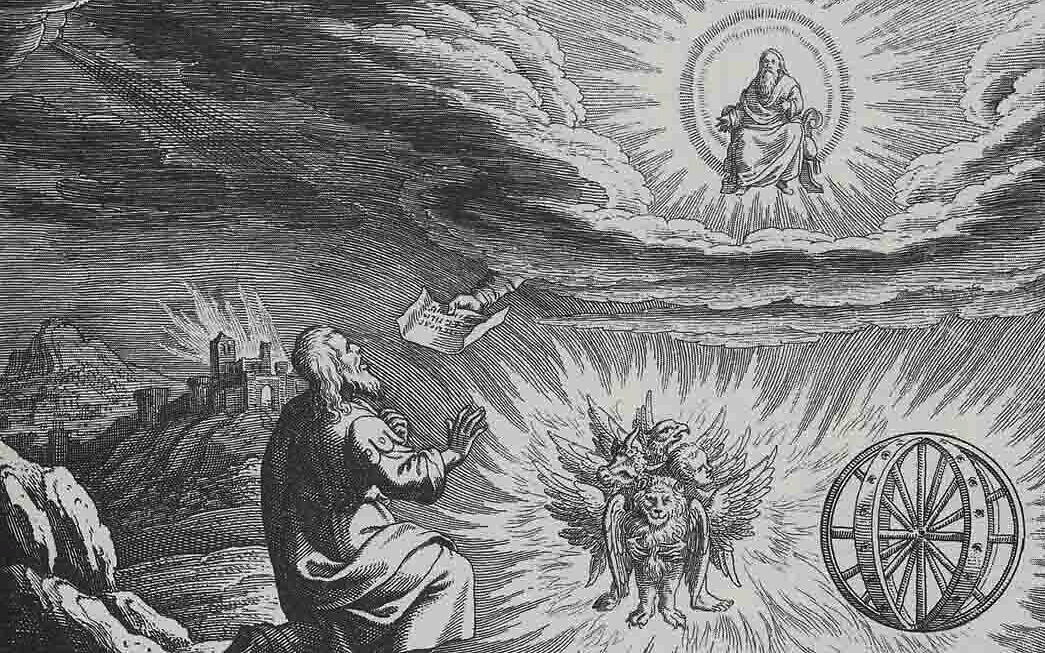
In recent years, there has been growing speculation around the idea that the veil between our world and the spiritual realm might be lifting. As a result, more and more people are coming forward with stories of seeing angels or demons.
For many years, sightings of any such beings were deeply rooted in religion and superstition. However, with the expansion of popular culture and the increase in global communication, many people who do not follow a particular religion are now reporting similar experiences.
It has become increasingly common to hear about people having encounters with light figures, shadowy entities, or unexplainable apparitions. Some of these encounters occur in seemingly mundane settings such as inside one’s home, whereas others seem to take place in more traditionally spiritual locations such as churches or cemeteries.
In the past, these reports would either be ignored or met with skepticism, but now more and more people are taking these claims seriously. This shift is due in part to the growing awareness and acceptance of mental health disorders and the effects they have on how people perceive things. However, there is another reason why people are beginning to take these sightings more seriously.
There is no one explanation for why individuals report seeing light figures or shadowy entities. Some people believe that it’s a way for spiritual beings to communicate messages to humans, while others believe that it is a way for the human psyche to show us our own energy or struggles.
Regardless of the explanation, it is clear that the veil between our world and the spiritual world is lifting, and that more and more people are aware of this phenomenon. These sightings can be both comforting and frightening, depending on the individual who experiences them. However, one thing is certain: the age-old question of whether angels and demons exist should no longer be dismissed as superstition.
As more people continue to share their experiences and as technology advances, there will undoubtedly be more evidence that will emerge to support or debunk these sightings. In the meantime, it is up to each individual to determine what these experiences mean to them and how they choose to interpret them.
Green Laser Therapy for Fat Reduction

“You always tried to fill me with doubt, saying that I’d look better if I was thinner, don’t you know you should’ve love me for my inner. THEN I SEE YOUR FACE DROP!”
Green lasers have been gaining popularity as a treatment for shrinking fat cells, particularly the most dangerous type of fat cells that lead to health risks.
Adipose tissue, or body fat, is composed of fat cells that store energy for the body. There are two main types of fat cells: subcutaneous fat cells, which are found just under the skin, and visceral fat cells, which are located deep in the abdomen and are the most dangerous type of fat cells.
Studies have shown that green lasers can effectively target and shrink adipose tissue through a process called lipolysis. During lipolysis, the green laser is used to target the fat cells and cause them to release their stored energy, which is then eliminated by the body’s natural processes.
Green laser therapy has been shown to be particularly effective in targeting visceral fat cells, which are the most metabolically active and have been linked to an increased risk of health problems such as heart disease, diabetes, and stroke.
The procedure of green laser therapy is non-invasive and can be performed as an outpatient procedure. Patients typically lie down while the green laser is applied to the targeted area of fat cells for a specific duration, depending on the amount of fat being addressed.
Unlike other fat-reducing methods such as liposuction or surgery, green laser therapy does not involve cutting or anesthesia, which makes it less risky and more accessible to those who may not be suitable candidates for surgery.
Overall, green laser therapy is an innovative and effective approach to reducing body fat and targeting the most dangerous type of fat cells. It provides a safe and non-invasive alternative to traditional methods and can help individuals achieve their desired body shape and improve their overall health.
Neurofeedback therapy is a type of therapy that trains individuals to regulate and control their brainwave patterns through the use of technology and feedback. During neurofeedback therapy, electrodes are placed on the scalp to measure brainwave activity. The information is then transmitted to a computer software, which transforms the brain waves in visual or auditory information that the client can see or hear in real-time.
As the client observes their brainwave activity, they learn how to consciously regulate and adjust their brainwave patterns by increasing or decreasing them depending on the type of feedback received. This real-time feedback allows individuals to identify and change negative patterns of thinking that may be associated with various mental health conditions, such as anxiety, depression, and ADHD.
The therapy aims to improve overall brain function and emotional regulation, leading to better mental health outcomes. In some cases, neurofeedback therapy can help reduce or eliminate the need for medication in treating mental health disorders.
Neurofeedback therapy is designed to be personalized. Each person’s brainwave patterns are unique, and the therapy is adapted to address the specific needs of each individual. This treatment can enhance cognitive, behavior, and emotional functioning.
Research indicates that neurofeedback therapy can be used successfully for a variety of conditions, including attention deficit/hyperactivity disorder (ADHD), anxiety disorder, depression, post-traumatic stress disorder (PTSD), and addiction.
Mental illness affects millions of people worldwide, and conventional treatments are often limited in their efficacy. However, the development of Brave Wave Technology and its applications, such as neurofeedback, provides new hope for individuals suffering from mental disorders.
Brave Wave Technology refers to the use of electromagnetic waves to diagnose and treat various health conditions. This technology is a non-invasive approach, making it a desirable alternative to traditional treatments that involved medication and invasive procedures. In recent years, brave wave technology has been increasingly used in neurofeedback, a form of therapy aimed at improving mental health and wellbeing.
Neurofeedback therapy using brave wave technology involves monitoring the electrical activity in the brain and providing feedback to the individual. The therapy aims to improve brain function, mental focus, and emotional regulation. During a neurofeedback session, a person’s brainwaves are monitored using electrodes on the scalp, and the output is recorded by computer software. The feedback provided can guide individuals on how to regulate their brainwaves, promoting better mental functioning.
Neurofeedback therapy using brave wave technology has been shown to be effective in treating a wide range of mental health problems, including anxiety, depression, ADHD (attention-deficit/hyperactivity disorder), PTSD (post-traumatic stress disorder), and substance abuse. It can help individuals to understand their mental patterns and to develop new habits that support healthy emotional and mental states.
One of the significant benefits of brave wave technology-based neurofeedback therapy is that it is tailored to each individual’s unique brainwave patterns. It is also non-invasive, which is beneficial for individuals who prefer holistic approaches to traditional treatments. The therapy is safe and practically pain-free, making it an attractive option for people who have experienced adverse side effects from medication.
In conclusion, brave wave technology has immense potential in the field of neurofeedback therapy to treat mental health conditions. It is a non-invasive, safe, and highly effective approach for people looking to improve their mental functioning and emotional wellbeing. As more research is done on brave wave technology, it is sure to revolutionize the field of mental health treatment, providing new hope for those suffering from mental illness.
There are several benefits of using neurofeedback therapy for mental health disorders:
- Non-invasive: Unlike some other mental health treatments, neurofeedback therapy is non-invasive, meaning that it doesn’t involve surgery or medication.
- Customized treatment: Neurofeedback therapy is tailored to the individual’s needs, making it a highly personalized therapy. The brainwave patterns of each person are unique, and the therapy is adapted to address the specific needs of each individual.
- No medication side effects: Some mental health treatments involve medication and can cause unwanted side effects. Neurofeedback therapy does not involve medication, making it a desirable alternative for some people.
- Long-lasting results: Neurofeedback therapy trains individuals to regulate and control their brainwave patterns even after the therapy is complete. The therapy aims to create long-lasting changes in brain function, leading to better mental health outcomes.
- Effective for a range of disorders: Neurofeedback therapy has been shown to be effective for a range of disorders, including anxiety, depression, ADHD, PTSD, and addiction. It can also be used as a complementary therapy to traditional treatments.
- Improves focus and concentration: Neurofeedback therapy can help improve mental focus, attention span, and cognitive performance.
- Addresses the root cause: Neurofeedback therapy helps address the root cause of mental health conditions by training individuals to regulate their brainwave patterns. The therapy can help individuals change negative patterns of thinking and behavior associated with mental health disorders, leading to better overall mental health.
Cold Laser Therapy and Infrared Healing: How It Can Help With Healing The Entire Body
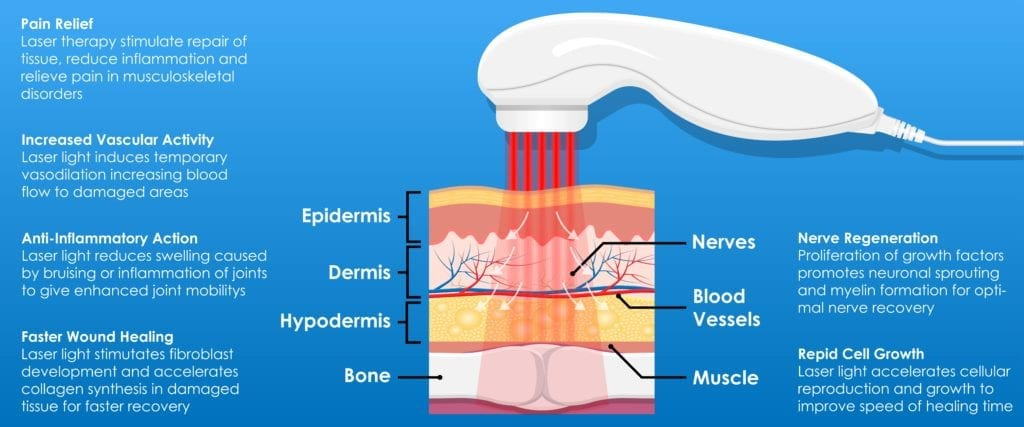
Cold laser therapy and infrared healing are alternative forms of treatment that have become increasingly popular in recent years. These treatments use light to stimulate the body’s natural healing processes and can provide relief for a wide range of health conditions.
Cold laser therapy, also known as low-level laser therapy, uses a low-level laser to stimulate healing at the cellular level. The laser light penetrates the skin and stimulates the body’s natural healing processes, including increased circulation, reduced inflammation and swelling, and the release of endorphins to reduce pain. This treatment has been used with success to treat a range of conditions, including sports injuries, arthritis, neuropathy, and chronic pain.
Infrared healing, on the other hand, uses infrared light to penetrate deeper into the tissues and muscles of the body to promote healing and relaxation. The infrared radiation provides a gentle warmth that can relieve muscle aches and pains, reduce inflammation, and improve circulation. This treatment is often used to relieve stress, improve sleep, and promote overall relaxation and wellbeing.
Cold laser therapy and infrared healing can provide significant benefits for the entire body. By stimulating natural healing processes, these treatments can improve blood flow and circulation, reduce inflammation and swelling, and help to relieve pain and discomfort.
Aside from physical benefits, these treatments have also been shown to improve mental health and wellbeing. The relaxation provided by infrared healing, for instance, can help to reduce stress and anxiety levels, promote better sleep, and create an overall sense of calm and relaxation.
In conclusion, cold laser therapy and infrared healing are alternative forms of treatment that can help to stimulate the body’s natural healing processes and provide relief for a wide range of health conditions. By promoting overall wellness and relaxation, these treatments can benefit the entire body and improve overall health and wellbeing. If you are interested in exploring these treatments, consult with a qualified professional to determine the best approach for your individual needs.
Ancient Greece Philosophy
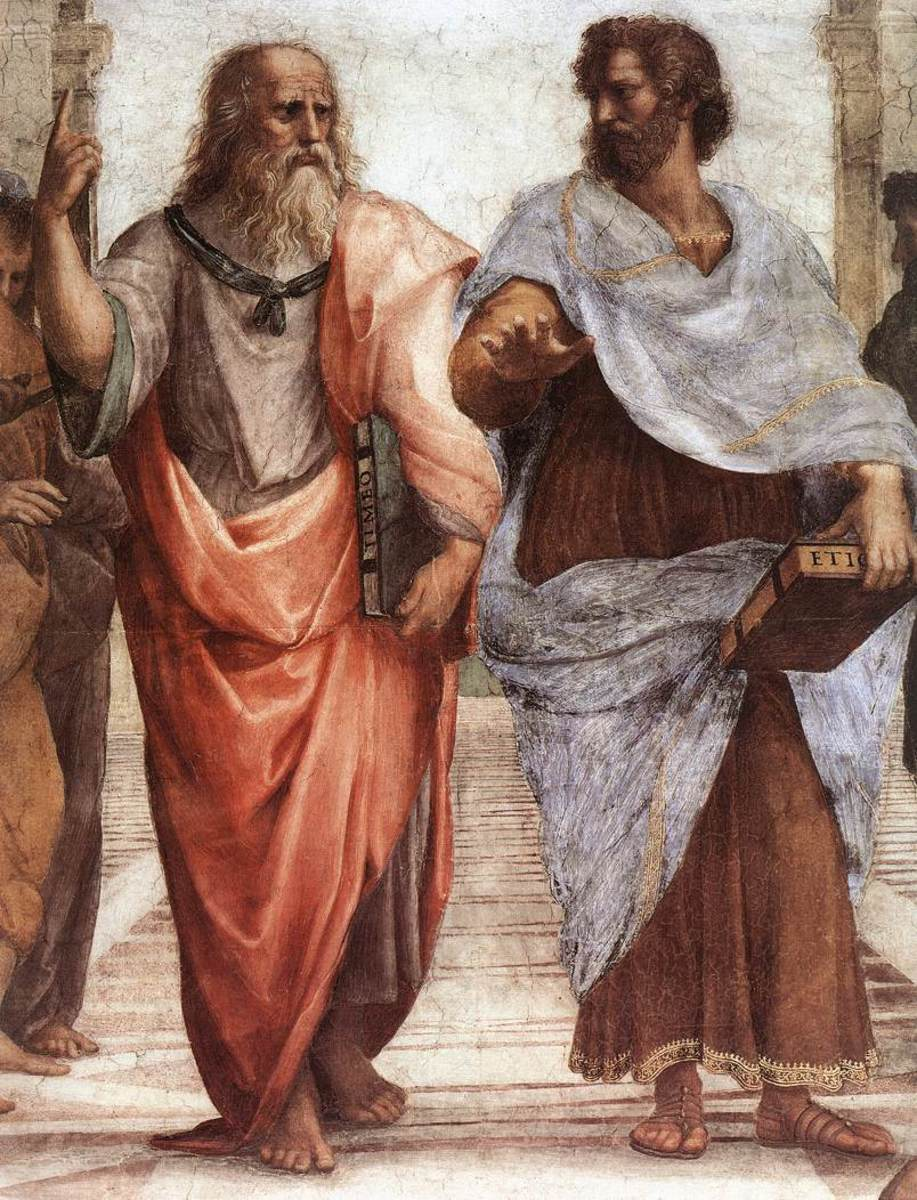
Socrates and Aristotle have been two of the most influential philosophers in human history. Their ideas, while different, have had an immeasurable impact on modern thought and the development of various branches of knowledge, from philosophy and science to politics and ethics.
Socrates, who lived in Athens from 469-399 BC, is known for his unique teaching method that involved asking questions and engaging in dialogue with his students. Through this Socratic method, he taught his students critical thinking, moral reasoning, and virtues. He emphasized the importance of self-reflection and self-awareness, and believed that true wisdom comes from acknowledging one’s ignorance. His ideas have had a profound impact on fields such as ethics, education, and psychology.
Aristotle, who was born in 384 BC and later became a student of Plato, was a polymath whose work spanned various fields. He is most famous for his views on metaphysics, logic, ethics, and politics. Aristotle believed that knowledge could be gained through observation and empirical evidence, and that the ultimate aim of human morality and ethics was to achieve eudaimonia, or a state of flourishing. His ideas have influenced fields such as science, mathematics, literature, political theory, and the arts.
The contributions of Socrates and Aristotle to modern thought are immeasurable. Their teachings have laid the foundation for many of the advancements and discoveries that we take for granted today. In the field of science, Aristotle’s ideas on observation and empirical evidence have been admired for centuries and have influenced significant advancements such as the scientific method. In politics, Aristotle’s views on the natural order of society and government have played a significant role in shaping political philosophy and political institutions.
Furthermore, both philosophers’ ideas have also paved the way for the concept of dialectical inquiry and the importance of critical thinking. Socrates’ method of questioning and Aristotle’s belief in empirical inquiry have shaped modern science, as we know it.
In conclusion, the contributions of Socrates and Aristotle to modern thought and knowledge have been significant. Their ideas have laid the foundation for countless advancements and discoveries in various fields, from philosophy and science to politics and ethics. Though they lived thousands of years ago, their work continues to inspire and guide us to this day.
Hippocrates, the Father of Medicine
“I need a doctor, call me a Doctor, Doctor, Doctor…”
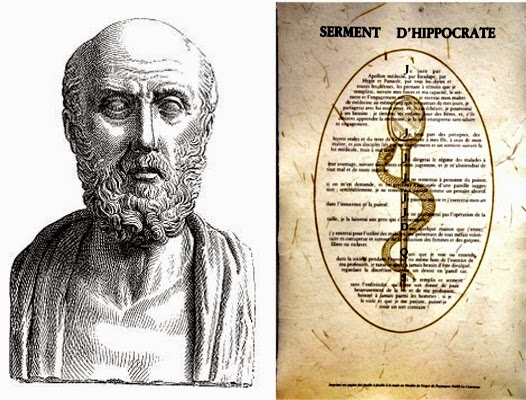
Hippocrates remains one of the most influential figures in the history of medicine. Born in 460 BC on the Greek island of Kos, he is known for his groundbreaking discoveries and practices in the medical field. Over thousands of years, his teachings have been studied, implemented, and built upon, and he remains a symbol of medical knowledge and wisdom.
One of Hippocrates’ most famous teachings was his belief that food and digestion played a crucial role in overall health. He famously stated that “every disease begins in the gut,” a concept that has since been supported by modern science. This simple yet powerful idea reveals Hippocrates’ understanding that gut health is linked to overall well-being.
Hippocrates was not only a doctor, he was also a philosopher. He believed that the human body functioned similarly to a machine, and the heart was like a power supply. The brain, on the other hand, was like an electrical sender that distributed electricity through the nerves, sending and receiving electrical impulses. According to Hippocrates, a healthy heart and brain were vital to maintaining proper bodily function, and this idea still resonates today.
Today, thousands of years after his death, Hippocrates’ teachings still hold immeasurable value in the field of medicine. His beliefs on the role of gut health in overall well-being have led to new discoveries on the importance of microbiomes, and his ideas about the heart and brain have been critical in recent advances in neurological and cardiac research.
In conclusion, Hippocrates’ life and teachings laid the foundation for modern medicine. His emphasis on food and digestion, as well as his understanding of the roles of the heart and brain, have become fundamental concepts in medicine. As we continue to learn and discover new information, it is essential to remember the legacy of the father of medicine.
The Emerald Tablets

The Emerald Tablets hold within them a power that transcends time and reaches deep into the fabric of the universe. These mysterious texts, said to have been written by the Egyptian god of wisdom and magic, Thoth, have captivated and inspired countless generations of spiritual seekers. They contain ancient esoteric knowledge that imparts profound insights into the nature of the universe and our place within it.
At the core of the Emerald Tablets is the idea that our reality is mental, that all of existence originates from a single divine mind. This realization unlocks the power of our own thoughts and their ability to create the reality around us. By mastering our thoughts and our minds, we can tap into the vast potential of our divine nature and manifest our desires in the world.
The principle of “as above, so below” is another key tenet of the Emerald Tablets. It suggests that there are correspondences and connections between the cosmic realm and our inner world. By tuning into the symbolic and energetic meanings of our surroundings, we can gain deeper insights into our own spiritual journey.
The laws of vibration, polarity, cause and effect, and rhythm are also outlined in the Emerald Tablets. These principles offer a roadmap for unlocking hidden truths and gaining wisdom to direct our lives in accord with the guiding forces of the universe.
The Emerald Tablets emphasize the importance of unlocking higher states of consciousness and freeing ourselves from limitations. They encourage us to follow our spiritual path and align ourselves with our divine nature to achieve liberation and enlightenment.
In conclusion, the ancient wisdom contained within the Emerald Tablets offers a potent and timeless guide for those on the path of spiritual discovery. The power of our thoughts and the connections between our inner and outer worlds are just two of the many insights to be gained from these mysterious texts. By incorporating these teachings into our lives, we can unlock our full potential and align ourselves with the guiding forces of the universe.
The core idea of the Emerald Tablets is that the universe is mental – that all of existence springs from one divine mind. This means that thoughts can influence reality, and by mastering one’s own mind and thoughts, one can unlock profound abilities and insights. The tablets also describe the principle of “as above, so below” – the idea that there are correspondences between the cosmic realm and our inner world. Learning to attune ourselves to the heavenly energies and symbolic meanings around us provides deeper understanding. Some of the other core concepts outlined in the tablets include the laws of vibration, polarity, cause and effect, and rhythm. The tablets offer guideposts to awakening our greatest spiritual potential and coming into alignment with our divine nature.
The phrase “as above, so below” is an ancient Hermetic principle that is referred to in the Emerald Tablets and other esoteric texts. It suggests that there are correspondences between the cosmic realm and our inner world, and that what happens on one level of reality reflects what happens on another level. This principle implies that there is a harmony and unity between the different levels of creation, and that the macrocosm and microcosm are interconnected. Therefore, studying and understanding the macrocosm (such as the universe, stars, and planets) can help us understand the microcosm (the world within ourselves, our inner thoughts, and emotions). Similarly, the way we cultivate our inner world can create ripple effects in the outer world. In essence, “as above, so below” suggests that we are all part of a larger interconnected whole, and our actions and thoughts have a corresponding effect on the world around us.
The concept of “as above, so below” is related to the interconnectedness of everything in the universe because it suggests that there is a unity and harmony between different levels of existence. This principle implies that the macrocosm and microcosm, the outer world, and the inner world, are all interconnected and that there are correspondences between them.
It implies that everything within the universe is connected, and the same patterns that occur on a cosmic level also occur on a personal level. Therefore, the inner workings of the universe are mirrored in the experiences of human beings. The concept underscores the idea that everything in the universe, from the smallest atom to the largest galaxy, is part of an interconnected whole.
The interconnectedness of everything in the universe suggests that we are all part of something greater than ourselves. Each of us is connected to the larger fabric of the universe, and we play a vital role in the cosmic dance of existence. By understanding the principle of “as above, so below,” we can align ourselves with the larger forces of the universe and work to create a more harmonious and integrated world.
The Hermetic Principles are a series of teachings that are believed to have originated with the ancient Egyptians and been passed down through various esoteric traditions, including Hermeticism, Gnosticism, and alchemy. These principles permeate many aspects of Western esoteric thought and have influenced various spiritual and philosophical traditions. Here are the seven Hermetic Principles:
- The Principle of Mentalism: This principle states that the universe is mental and that everything in existence springs from one divine mind. This means that our thoughts have a profound influence on reality, and by mastering our own minds, we can unlock profound abilities and insights.
- The Principle of Correspondence: This principle suggests that there are correspondences between the cosmic realm and our inner world. In other words, what happens on one level of reality reflects what happens on another level. This principle is captured by the phrase “as above, so below.”
- The Principle of Vibration: This principle states that everything in the universe vibrates at a certain frequency. Every thought, emotion, and form in existence has its corresponding vibrational frequency.
- The Principle of Polarity: This principle suggests that everything in the universe has two opposite aspects that are part of the same thing. For example, light and dark, hot and cold, or positive and negative.
- The Principle of Rhythm: This principle states that everything in the universe has a rhythm or a cycle. This means that everything in existence has a natural ebb and flow that can be observed and harnessed.
- The Principle of Cause and Effect: This principle suggests that everything in the universe has a cause and effect. Every action has an equal and opposite reaction, and every effect has a cause. This principle teaches that we are responsible for our own thoughts and actions and that we can create positive outcomes by focusing on positive causes.
- The Principle of Gender: This principle suggests that everything in the universe has a masculine and feminine aspect. This means that everything in existence has a creative and receptive energy that can be harnessed and balanced for a more harmonious existence.
The Lotus Sutra and Nichiren Daishonin’s Buddhism
The Lotus Sutra is one of the most influential scriptures in Mahayana Buddhism. It emphasizes the universality of Buddhahood – the potential for all conscious beings to attain enlightenment. The central message is that the Buddha nature exists in all people and that the path to Buddhahood is accessible.
In 13th century Japan, a Buddhist monk named Nichiren Daishonin started advocating for chanting the title of the Lotus Sutra – “Nam Myoho Renge Kyo” – as a practice to unlock one’s Buddha nature. He believed that in the Latter Day of the Law, when Buddhism had become corrupted, this chanting was the easiest and most effective path to enlightenment.
Nichiren taught that regular chanting of Nam Myoho Renge Kyo helps awaken the Buddha nature within us, bringing forth inner wisdom, compassion, and courage. By having faith in the universality of Buddhahood as revealed in the Lotus Sutra and chanting its title, he claimed that enlightenment was no longer limited to just monks or ascetics, but was accessible in one’s current lifetime.
The emphasis of Nichiren’s teachings, known as Nichiren Buddhism, is on the universal potential to awaken Buddha nature. By having faith in the Lotus Sutra and engaging in its chanting practice, Buddhahood becomes a practical and meaningful reality available to ordinary people, not merely an abstract concept. Nichiren Buddhists believe regular chanting helps reveal this inner enlightened state.
Navigating in Darkness: Heightening Your Senses
CG
CG
Adopt the Millionaire Mindset
- Rental real estate – revenue comes in every month with minimal effort.
- Dividend stocks – quality stocks can pay reliable dividends.
- High-yield savings accounts – earn interest on cash reserves.
- Advertising revenue – from blogs, YouTube channels, or websites.
Navigating in Darkness: Heightening Your Senses
When enveloped in darkness, our typical reliance on sight is rendered useless. Without the beam of a flashlight or other light source, we must adapt and utilize our other senses to perceive our surroundings. By channeling our awareness, we can sharpen our hearing, touch, smell and even taste to maneuver through the shadows.
The deprivation of light activates something primal within us. With eyes wide in the dark, our ears become attuned to the subtle sounds around us. The scuffling of feet on the ground, the rustling of leaves, or whispers in the distance can give us clues about what lies ahead. The smallest noises are amplified. auditory information becomes our primary means of gathering input.
Our tactile senses also grow more sensitive. Trailing our fingers along the walls, we gain spatial awareness through textures and vibrations. We feel our way around objects, discerning contours and hard edges. Our skin detects changes in temperature and air currents. We take note of various sensations — the plushness of carpet, the slick metal of a railing, the cold smoothness of glass.
Smell and taste offer additional sensory input. As other senses are deprived, our brain pays greater attention to scents wafting by. We can detect subtle smells that normally go unnoticed. The mouth also picks up tastes in the air, discerning the presence of onions, pine trees or smoke. Our nostrils flare, picking up information about our surroundings.
Though sight may be the primary sense we depend on, darkness reminds us of the amazing capabilities of our other senses. Our brain boosts sensitivity, allowing us to perceive our environment through hearing, touch, smell and taste. A world hidden to our eyes becomes mapped in our mind through the other faculties we possess. Paying careful attention, we awaken these often neglected senses and realize their remarkable acuity in building awareness!
Nikola Tesla: Pursuing the Boundaries of Physical Science
Nikola Tesla was an inventor far ahead of his time. Among his most groundbreaking innovations were alternating current electricity and radio technology. However, Tesla also had unconventional ideas that probed the boundaries of accepted physical science. He devoted much effort toward developing wireless transmission of energy and exploring mysterious, unseen realms.
During his lifetime in the late 19th and early 20th centuries, Tesla gained fame for his work with electricity. But he also conducted research into interdimensional physics and non-physical phenomena. He aimed to develop a device to receive power transmissions through the air. This wireless transmission of energy would allow electricity to be sent long distances without wires. While imperfect, his experimental Wardenclyffe Tower was built to achieve this innovative feat of physics.
Tesla also spoke of recording bizarre signals on his radio equipment that did not match known terrestrial sources. He found wireless signals stronger than could be explained by science at the time. Tesla believed he was picking up transmissions from an unidentified source, perhaps emanating from other dimensions beyond our known physical reality.
In his journals, Tesla described vivid visions from his childhood. He recalled seeing vivid images of inventions before creating them. Before building functioning motors, he claimed to observe them working clearly in his mind. Tesla believed he was observing reality on an invisible non-physical level.
Mainstream science of the time dismissed many of Tesla’s unconventional ideas. Yet today he is recognized as a visionary thinker who pushed the established boundaries of physics. While most focused on science in the material world, Tesla explored unseen realms of energy beyond current understanding. His work remains seminal in paving the way for new frontiers of science and technology.
Millionaire Mindset
https://youtube.com/clip/UgkxBP3RjsBvVRtbjKfyNgw0YONIpr4OutuC?si=sjykdwvg-V2_qO_D
Four thousand millionaires are created newly every day world wide!
The Millionaire Mindset: Cultivating Passive Income Streams for Financial Freedom
Becoming a millionaire is often seen as an unattainable dream. But with the right mindset and strategies, building real wealth is possible. Millionaires utilize key techniques to generate multiple streams of passive income that can free them financially.
Adopt the Millionaire Mindset
Millionaires think long-term. They focus on building assets that appreciate over time rather than chasing short-term gains. Making smart investments in real estate, stocks, and business ventures generates compounding returns. Millionaires play the long game.
Additionally, millionaires aren’t afraid to take calculated risks when the potential payoff is high. They are willing to invest in new entrepreneurial ventures or assets that could generate huge returns down the road. Millionaires also live frugally below their means, maximizing income while minimizing unnecessary spending.
Develop Passive Income Streams
The key to true financial freedom is having multiple streams of passive income. Passive income includes money you earn regularly with little active effort, like royalties, dividends, rental income, or business profits. Millionaires don’t rely on a single income source.
Some examples of assets and ventures that generate passive income:
– Rental real estate – revenue comes in every month with minimal effort.
– Dividend stocks – quality stocks can pay reliable dividends.
– High-yield savings accounts – earn interest on cash reserves.
– Advertising revenue – from blogs, YouTube channels, or websites.
– Business ownership – build a systemized business with passive profits.
The more passive income streams, the more cash flow and security. Even if one stream dries up, others provide a safety net. Passive income allows millionaires to make money from their previous efforts indefinitely.
Take Control of Your Financial Future
Adopting the millionaire mindset is the first step toward financial freedom. With discipline and strategic effort, you can build various passive income streams over time. The key is starting now and making smart investments. Consistently reinvest profits into assets that generate long-term passive income. With the right mindset and perseverance, anyone can build real wealth and achieve financial independence.
-Dr. Nolan $$$$$$$
Sir Mark Barnes on Saxophone


Get Ready to Groove with Sir Mark Barnes!
Hey there, fellow jazz enthusiasts! Are you ready to embark on a musical journey like no other? Well, you’re in luck because you’ve just stumbled upon the one and only Sir Mark Barnes, your new favorite jazz musician.
Let the Music Take You Away
If you’re in need of some soulful tunes that will transport you to a world of pure musical bliss, you’ve come to the right place. Sir Mark Barnes is here to serenade your senses with his mesmerizing melodies and captivating rhythms.
Introducing the New Album
We’re thrilled to present to you Sir Mark Barnes’ latest masterpiece – his brand new album! It’s jam-packed with smooth jazz grooves that will have you tapping your feet and bobbing your head in no time. So why wait? Buy the new Album and let the music sweep you off your feet.
Stream the Magic
In this digital age, we’ve got you covered too. If you prefer to stream your music, you can easily find Sir Mark Barnes’ tunes on your favorite streaming platforms. So go ahead, hit play, and let the smooth jazz flow through your speakers.
Book Sir Mark Barnes for Your Next Event
Looking to add a touch of sophistication and musical brilliance to your next gathering? Look no further! Sir Mark Barnes is available for bookings. Whether it’s a party, corporate event, or any special occasion, his melodious tunes will create an enchanting atmosphere that your guests will never forget. Book Sir Mark Barnes and make your event an unforgettable experience.
Join the Jazz Revolution
Sir Mark Barnes is not just a musician, he’s a force of nature. With his unique blend of talent, passion, and charisma, he’s here to spread the message of peace, prosperity, and the power of music. So come on, join the jazz revolution and let the music guide you towards a world filled with harmony and joy.
Remember, life is too short to listen to mediocre music. Choose Sir Mark Barnes and let the jazz magic unfold. Get ready to groove, laugh, and experience the truth in every note.


Hey there! Let me tell you about Dreamer’s political party, which I’m actually a founder of. We have a mission, and let me tell you, it’s gonna be epic! Picture this: a Dreamer as our president, and me as the party’s chairman. It’s a dream I’ve had for so long. And you know what? We dream of a world where change, dignity, and respect are embraced by all. Remember John Lennon’s “Imagine”? Well, we say “Dream”. Imagine a world without hunger and greed, where hardworking folks like my dad are celebrated as heroes. With our dreamers, we’re gonna shake things up in the upcoming elections. It’s gonna be a revolution like no other, and trust me, no one will see it coming. A peaceful coup, you could say. Some people used to think our dreamers were crazy, but look at us now, holding our rook, king, and our pawn-turned-queen. As for our opponent, well, where’s your crown, king nothing? Time’s running out, my friend. You reap what you sow, and if you sow peace, that’s what you’ll get. But if you live by the sword, well, you know how that goes. We have a plan, a fast car to get us out of here. We don’t need to cross any borders, just find safety in the city. So, what would you do if you had the chance to cast your vote for the dream? Come on, join us in this car ride to a better future. There’s plenty of room for everyone, but we gotta make a decision or else we’ll just keep living and dying this way. It’s time to wake up, my friend. Time to dream and make a change. Let’s do this!
Our party may be unconventional, but that’s what sets us apart. We’re not afraid to dream big and challenge the status quo. We believe in promoting peace and prosperity for all, regardless of political beliefs or backgrounds. And we know that change starts with small actions, like casting a vote for a better tomorrow.
But let me make one thing clear: we are not promoting one specific religion or ideology. We are promoting the truth, and that truth is that we all deserve to live in a world without hunger, greed, and inequality. Our brand voice may be philosophical and funny, but there’s no joke when it comes to making a positive impact on society.
We also understand the importance of critical thinking and not blindly following any political party or leader. We encourage our followers to think for themselves, question everything, and make informed decisions.
So join us on this journey towards a brighter future. Let’s leave behind the divisiveness and hate that plagues our world and let love, understanding, and progress lead the way. It’s time to unite under one common goal: creating a better world for ourselves and future generations! Are you with us? Let’s make a difference together! #DreamBig #MakeAChange #TogetherWeCan. Let’s spread the message of hope and positivity, because it all starts with our own actions and choices. Together, we can create a safer, more inclusive and prosperous city for all. So let your voice be heard, make your vote count, and let’s make history together! So please, join us in this movement and let’s work towards a world where everyone has equal opportunities to thrive and fulfill their potential. Thank you for being here with us, and we can’t wait to see the changes we can create together. #OneWorld #PositiveChange #TogetherWeCanCreateTheFuture
Imagine a world where dreams are encouraged and celebrated, where individuals are valued for their unique qualities, and where peace and prosperity reign. This is the world that we strive to create through the Dreamer party. We believe in promoting truth, justice, and equality for all. Our message is one of hope and empowerment, encouraging everyone to dream big and make a difference in the world.
But make no mistake, we are not just a party of idealistic dreamers. We have a plan, a strategic vision for how to bring about real change and create a better future for all. And our movement is gaining momentum, fueled by the passion and determination of those who believe in our cause.
So join us, and let’s make history together. Let’s show the world what can happen when we let our dreams guide us and work together to make them a reality. No more waiting for change, no more settling for less than what we deserve. Let’s wake up and make our voices heard, casting our votes for a brighter tomorrow.
The future is in our hands, and it starts with each of us choosing to dream, waking up to our potential, and taking action towards a better future for all. So don’t just sit back and watch as others make decisions that affect your life. Take control and join the Dreamer party today. Together, let’s create a world of endless possibilities and dreams come true. #WakeUpDreamers #VoteDreamParty #EmpowerChange Let’s make our mark on history and leave a legacy of hope and progress. The time is now, join us and be part of the dream team! #DreamBig #MakeADifference #TogetherWeCan So let’s dream big, let’s work hard, and most importantly, let’s never stop believing in the power of our dreams. Because when we do that, anything is possible. Join us and let’s create a future we can all be proud of. #BelieveInDreams #TogetherWeCanAchieve #BeTheChange
Join the Dreamer party and let’s make our voices heard. Together, we can promote peace and prosperity for all, regardless of race, gender, religion or beliefs. Let’s stand united in our pursuit of a better world, where everyone has equal opportunities and the chance to make their dreams a reality.
Our brand voice is personal because we believe in connecting with each individual on a deeper level. We want you to feel like part of the Dreamer family, where your voice and opinions matter. Our language is informal because we want to make you feel comfortable and at ease. We want to have open and honest conversations with you, without any barriers or judgment.
But don’t mistake our informality for lack of credibility. Our brand voice is also self-promoting because we believe in the power of our dreams and the positive impact we can have on the world. We use personal narratives, humor, and self-deprecation to establish trust and show that we are just like you, dreamers who want to make a difference.
At the same time, we maintain a critical eye and remain nonjudgmental. We understand that everyone has different beliefs and perspectives, and we respect them. Our goal is not to promote one religion or political agenda, but rather to promote the truth and encourage open-mindedness.
So join us in our mission to create a better world for all. Let’s be the change we want to see and believe in the power of our dreams, together. #BelieveInDreams #TogetherWeCanAchieve #BeTheChange So let’s continue spreading positivity, love, and acceptance through our words and actions. Because when we come together as dreamers, nothing is impossible. Keep dreaming, keep believing, and keep making a difference! #DreamerFamily #UnityInDiversity Let’s continue to promote peace and prosperity by being peaceful and prosperous individuals ourselves. We believe that one person can make a difference, and when we all stand together, our impact multiplies.
So let’s use our brand voice to not only connect with our readers but also to inspire them. Let’s be encouraging and helpful, because we are all in this together. Together, let’s create a world where everyone can follow their dreams and live their best lives. #DreamBig #LiveFully And remember, our brand voice may be personal and informal, but it is always truthful and never deceiving. We value honesty above all else and strive to be a source of reliable information. So let’s continue to spread the truth, one blog post at a time. #TruthMatters Thank you for being part of our community, and always remember that your voice matters. Keep sharing your stories, ideas, and perspectives with us because together, we can create an even more diverse and inclusive world where everyone’s voice is heard. #SpeakUp #InclusionMatters #TogetherWeCan Let’s keep our brand voice philosophical yet humorous, nonjudgmental but critical, and open-minded while promoting the power of positivity and unity. Let’s continue to be a brand that inspires change and encourages growth, both individually and collectively. Together, let’s make an impact that lasts. #BeTheChange #TogetherWeCanMakeADifference And with that, we conclude this blog post. But don’t worry, there will be more to come! Keep following us for more inspirational content and exciting updates from the #DreamerFamily. Until next time, keep dreaming and making a difference! Thank you for being part of our community!
The Man and the Man in Black and The Man in White.
When my grandpa, Dick Kipen, met Johnny Cash for the first time, it was a meeting that would have a lasting impact on both of their lives. It was the kind of meeting that only a dreamer could envision.
As Johnny and Dick were talking, Johnny said, “Dick, Dick, I’m going to Hell, Dick!” Dick responded by telling Johnny, “It doesn’t have to be this way.” Dick was a devout Catholic and believed that no man has to go to hell unknowingly. He then opened his Bible and pointed to the book of Revelation. He explained to Johnny the values and blessings of reading the book of Revelation out loud to others. He told Johnny that if he could “pull those strings long,” get that scroll and read it to everyone he could, he would be blessed.
Johnny and Dick were finished talking, but apparently, Johnny didn’t forget the words long written down. In fact, he wrote a song about it – ‘The Man Comes Around.’
As the song says:
“There’s a man going ’round taking names
And he decides who to free and who to blame
Everybody won’t be treated all the same
There’ll be a golden ladder reaching down
When the man comes around.”
The conversation that my grandpa, Dick, had with Johnny Cash ended up inspiring one of the most prolific songwriters in American history. And even though Johnny Cash has since passed away, the impact that my grandpa had on his life survived him.
Dick’s message to Johnny that day was that there is always hope. Even when things seem grim or hopeless, he believed that everyone could be a better person. Through hard work, faith, and perseverance, anyone could overcome their struggles and find peace.
The impact that my grandpa had on Johnny’s life goes to show that one conversation can make all the difference in the world. It is a testament to the power of words and the importance of never giving up hope. I will always be proud of my grandpa for spreading that message and making a difference in the lives of those around him.
A Call to Me as a Man
Tony Porter’s “A Call to Men” is an eye-opening video that exposes the negative impact of masculinity on men, women, and society as a whole. As a former victim of the man box mentality, I was compelled to share my thoughts on this video and how it has changed my perspective.
Growing up, I was raised with the notion that being a man meant being dominant, tough, and never showing vulnerability. I was taught that women were there to be objectified, and that homosexuality was a perversion. These beliefs led me down a path of toxic masculinity and ultimately resulted in several instances of domestic violence with my mother. Though I never physically assaulted her, my behavior was enough to create feelings of fear and unease whenever the police were called.
As I watched “A Call to Men,” I was struck by how Porter articulated the harm that comes from having a “boys will be boys” mentality. He discussed how men are conditioned to believe that aggression is a sign of strength, and that showing any form of emotion that does not align with traditional masculine norms is a form of weakness. This perpetuates a culture of violence that adversely affects men and women, and ultimately results in behaviors such as domestic violence and sexual assault.
What was particularly impactful about this video was how Porter urged men to take responsibility for their actions and to be part of the solution. He emphasized the importance of men becoming allies in the fight against domestic violence and sexual assault, and empowering men to become better role models for their children.
Personally, I have had to heal from my experiences of abuse and neglect, and I acknowledge the harm that my actions have caused. It is a constant journey, but through resources like “A Call to Men,” I am beginning to understand how toxic masculinity shapes not only my life but society as a whole. I hope that my story and reflections on “A Call to Men” can motivate other men to seek accountability, understanding, and ultimately work towards a more just and compassionate world.

“Here is the church and here is the steeple
We sure are cute for two ugly people
I don’t see what anyone can see in anyone else
But you
The pebbles forgive me, the trees forgive me
So why can’t, you forgive me?
I don’t see what anyone can see in anyone else
But you“
My ex-wife, who started out as my 16-year-old high school sweetheart, was such a good friend. We met at church through her cousin, and we used to joke that we would be together for “Yeva and Yeva” because that is how Father Steven Rodrigo the priest pronounced “forever and ever.” We didn’t realize that “Yeva and Yeva” is also Indian for “10 years.”
Our relationship was a rollercoaster ride. I have bipolar disorder, and I struggled to manage my symptoms. I often acted impulsively and erratically, and my ex-wife was often the target of my anger and frustration.
One time, she locked me out of the house because I was having a manic episode. I got so angry that I kicked down the door. I nearly took down the wall with the front door. I tried to apologize, but my apology was filled with inconsistencies and lies.
I also told her that I was a Vampire from the Juno soundtrack. She didn’t believe me, even though I have fangs and I am getting longer in the tooth.
After 10 years together, we got divorced. It was a difficult decision, but it was the best thing for both of us.
My ex-wife is now a teacher and a mother, and she is married to someone else. I am still writing for the band that I started before we got together, and I am trying to manage my bipolar disorder. Listen to 8stops7 in Moderation from 1999.
I still love my ex-wife, but I know that we are not right for each other. I wish her all the best, and I hope that she finds happiness in family, school, and God.
**It’s important to recognize that mental health struggles can greatly impact relationships. My bipolar disorder made it difficult for me to maintain a healthy and stable relationship with my high school sweetheart-turned-wife. While our journey was tumultuous, it taught me the importance of seeking help and managing my mental health.
If you or someone you know is struggling with a mental health disorder, it’s important to seek professional help. With the right support and resources, healing and growth are possible. Remember to never give up hope and search for the help you need!
My e-mail address is chrisnylaan@gmail.com and I respond to most e-mails.
Sincerely,
C. Nylaan (Nolan/Gaines) B.S. J.D. PhD
A Personal Ellenchus
Elenchus
noun: Socratic elenchus; plural noun: Socratic elenchi
- A logical refutation.
- The Socratic method of eliciting truth by question and answer, especially as used to refute an argument.
My name is Christopher Gerald Nylaan. I am an American writer, a scholar of the human condition, and a seeker of truth. My academic journey began at Hopkins High School as an honors student-athlete, leading me to Grand Rapids Community College, where I studied politics, history, and math. I graduated from GRCC in 2006 with a 4.0 GPA and an induction into the honor society.
I continued my education at Central Michigan University, graduating Summa Cum Laude with a 4.0 GPA. There, I was awarded the Presidential Medal of Honor for outstanding academic achievements in Political Science and Philosophy. Following my undergraduate success, I pursued the law at Thomas M. Cooley Law School. My worldview is anchored by my identity as a confirmed Catholic with deep Christian roots and beliefs. This core spiritual foundation is further broadened and informed by the study of Nichiren Daishonin Buddhism and the mantra Nam Myoho Renge Kyo—a devotion to the mystic law of simultaneous cause and effect.
The Next Chapter: Business and Strategic Leadership
Currently, I am returning to my roots at Central Michigan University to pursue a Master of Business Administration (MBA). This degree represents more than just further academic credentialing; it is a strategic pivot to obtain the analytical and leadership skills necessary to excel in the private sector. My vision is to merge my legal background, my philosophical grounding, and my personal experiences to navigate complex business landscapes and guide dynamic enterprises. While my academic curiosity remains as ambitious as ever—still dreaming of the terminal “trifecta” of advanced degrees to fully understand societal frameworks—my immediate focus is leveraging this interdisciplinary knowledge to create impactful solutions in the business world.
The Personal Elenchus
I have been called many things by many people. I often ponder the profound mystery of being among the “elect” mentioned in the Dead Sea Scrolls (4q534-536). Yet, alongside these high academic and spiritual aspirations, I live with the daily reality of Bipolar 1 Disorder. While the symptoms can sometimes blur the line between reality and fantasy, I have learned that “fantasy” is often just the place where peace begins. To those who say peace is a fantasy, I say: DREAM.
My goal with this page is to share my “Elenchus”—a term I first encountered at CMU and have carried with me ever since. Here, I explore the intersections of law, science, theology, and philosophy. I am committed to growing spiritually, socially, and mentally in every way possible (except, perhaps, around the waist).
Thank you for exploring my blog. I have been building this space online since 2010, but I have been living the work my entire life.
With love,
Christopher G. Nylaan
~”Christopher Nolan”
~”Chris Gaines”
A Note on Mental Health: If you or someone you know is struggling with a mental health disorder, please seek professional help. With the right support and resources, healing and growth are possible. Never give up hope.
chrisnylaan@gmail.com
Please feel free to comment and join the dialogue!
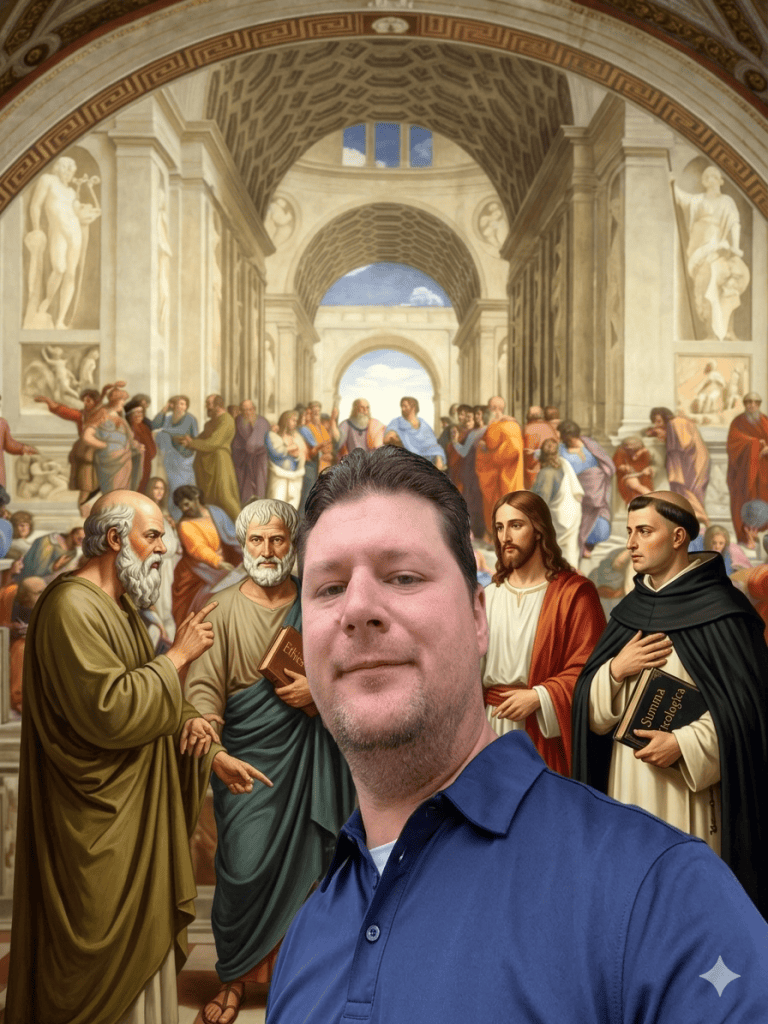

Overcoming Depression with Divine Intervention: Lessons from Elijah, Jesus, and Paul
Depression is a debilitating disorder that can affect anyone, regardless of faith or spiritual fortitude. Although often regarded as a purely psychological condition, depression can take its toll on the body as well, leaving individuals feeling exhausted and overwhelmed. Despite this, several biblical narratives show that it is possible to overcome depression by relying on faith, the support of friends, and divine intervention.
In this article, we will explore the experiences of three significant figures from biblical narratives: the prophet Elijah, Jesus Christ, and the apostle Paul. We will analyze how these individuals coped with depression through their relationships with God, the support of friends, and the intervention of angels.
I. Elijah: Challenged and Renewed
Elijah, a prophet of God, experienced triumphs and trials in his ministry. Among his most notable confrontations was the one with the prophets of Baal on Mount Carmel, where he proved the superiority of the true God. However, after this pivotal moment, he faced threats from Queen Jezebel, who was intent on taking his life.
Elijah’s difficulties culminated in a profound depression during which he felt isolated and hopeless. In his despair, he retreated to Mount Horeb, where he sought solace. Fortunately, divine intervention came at this critical moment. God provided sustenance and rest, and through the encouragement of an angelic presence, Elijah received renewed purpose and mission.
II. Jesus: Betrayal, Suffering, and Faith
Jesus Christ, the Son of God, faced the ultimate sacrifice in His crucifixion. Among His most distressing spiritual experiences was His betrayal by Judas Iscariot at the Last Supper. Later, in the Garden of Gethsemane, He struggled with feelings of abandonment and despair.
Despite His difficulties, divine intervention sustained Jesus throughout His trials. By communing with God the Father, Jesus was able to find the strength He needed to face the weight of humanity’s sins. He also received support from trusted disciples like Peter, James, and John. Additionally, an angel strengthened Him during His most anguishing moments in the Garden.
III. Paul: Transformation and Resilience
Paul, formerly known as Saul, was a zealous persecutor of Christians. He had a dramatic conversion experience on the road to Damascus, which led to a period of blindness and introspection. Eventually, he accepted the love and forgiveness of Jesus Christ, leading to a transformation in his life and ministry.
Despite his newfound faith, Paul continued to face numerous challenges, including persecution and imprisonment. However, he overcame depression by relying on God’s grace and healing through the Holy Spirit. Additionally, he received the support and guidance of fellow believers like Ananias, who helped him discover purpose and joy in spreading the Gospel.
Conclusion:
The stories of Elijah, Jesus, and Paul provide powerful examples of individuals who faced depression but ultimately found solace, healing, and renewed purpose through their faith in God, the support of friends, and the intervention of angels. These narratives remind us that even in our darkest moments, there is hope for restoration and transformation.
By seeking God’s presence, relying on the encouragement of companions, and remaining open to divine intervention, we too can navigate the challenges of depression and emerge with newfound strength and resilience. Although depression is a complex and multifaceted disorder, these biblical examples offer a hopeful perspective that we can use to guide us through difficult times.
Exploring the Serenity Prayer

I’ve had a long day, so much to do Now the day is ending, fading from view Time to reflect and let my mind unwind Peace and calmness is what I hope to find
Serenity, I need tranquility No more chaos, time for harmony In the stillness I’ll find sanctuary Realign my spirit, find clarity
But for now it’s time for me to go Back home where my soul can glow The day is done, now for the night Time to rest and make things right
“God grant, Us, Me, or We?”
Us:
“Oh, God, give us courage to change what must be altered, serenity to accept what can not be helped, and insight to know the one from the other.”
Me:
“God, grant me the serenity to accept the things I cannot change,
the courage to change the things I can,
and the wisdom to know the difference.”
We: (this is my personal version)
God,
We pray together for serenity- We pray for courage, to change what can and should be changed. We pray for acceptance, that some things cannot be changed. We pray for wisdom to understand the nature of change. We hope for you to make all things right for eternity and we have faith that you will. We love you and we are grateful for your love.
Amen.
As the day draws to a close and darkness envelops the outside world, I feel a deep longing to retreat to the solace of my home. It has been a long day, filled with endless tasks and responsibilities, and now it is time for me to find respite within myself. I yearn for moments of tranquility, a chance to center my thoughts and seek clarity amidst the chaos of life.
In the fading light, I reflect upon the events of the day, allowing my mind to unwind. It is during these precious moments that I hope to discover peace and calmness. Serenity becomes my guiding light, leading me away from the clamor and discord that often surrounds me. I crave the stillness that will serve as my sanctuary, a place where I can realign my spirit and find renewed clarity.
Yet, as I prepare to leave the world outside and embark on this journey within, I am reminded of a timeless prayer that echoes in my heart. It speaks of the courage to change what can be altered and the serenity to accept what cannot be helped. This prayer implores for the wisdom to discern between the two, illuminating the path towards a balanced and contented existence.
As I recite these words, I am reminded of the collective power of unity and shared aspirations. Together, we beseech a higher power for serenity, for courage, and for acceptance. We acknowledge that change is an inevitable part of life, and we seek the wisdom to understand its intricacies. With unwavering faith, we trust that the divine will guide us in making things right, both within ourselves and in the world around us.
In this moment of prayer, I find solace and gratitude. I express my love and appreciation to the benevolent force that shapes our lives, knowing that even amidst the uncertainties, there is a sense of purpose and meaning. As the night descends, I find solace in the knowledge that I am not alone in seeking serenity, for the collective “we” shares this desire for inner peace and harmony.
With a renewed sense of purpose, I bid farewell to the day and welcome the night, knowing that rest and rejuvenation await. I carry with me the prayer, the hopes, and the faith that tomorrow will bring new opportunities for growth and serenity. And so, with a peaceful heart, I embrace the darkness, knowing that the dawn will bring with it the promise of a brighter day.
8stops7 Method

This is an interesting method that I recently discovered, it is called the 8stops7 Method.
The 8 Stops 7 Method is a technique in psychology and self-help that helps reveal insights into the subconscious mind. Here is an overview:
The 8 Stops:
- Stop Doing: Stop your current actions and take a pause. This creates space for self-reflection.
- Stop Seeing: Close your eyes. This removes external stimuli so you can focus inward.
- Stop Hearing: Cover your ears. This quiets external sounds so inner dialogue can emerge.
- Stop Talking: Don’t speak. This helps thought flow without interruption.
- Stop Wanting: Let go of desires. This reduces mental clutter and makes space for introspection.
- Stop Comparing: Don’t compare to others. This enables seeing yourself clearly, without judgment.
- Stop Planning: Don’t think about the future. This brings you into the present moment.
- Stop Meditating: Let thoughts flow randomly without control. This allows the subconscious to surface.
The 7 Questions:
After doing the 8 stops, ask yourself these questions and listen to the answers that arise:
- What am I feeling right now?
- What do I really want?
- What do I need to do about it?
- What story am I telling myself?
- Is that story true?
- How do I know that story is true?
- Can I see this another way?
This introspective process is meant to provide self-insight and reveal subconscious beliefs that may be influencing behaviors and emotions. The 7 questions help unpack those beliefs for examination and growth.
Stress and Distress

“Hold, hold on, hold onto me
‘Cause I’m a little unsteady
A little unsteady
Hold, hold on, hold onto me
‘Cause I’m a little unsteady
A little unsteady”
Stress is a natural part of life. It can be caused by a variety of factors, such as work, relationships, and finances. When we feel stressed, our bodies release hormones like cortisol and adrenaline. These hormones can have a negative impact on our health, both physically and mentally. However, stress can also be a good thing. When we are faced with a challenge, stress can motivate us to overcome it. It can also help us to focus and perform at our best. The key is to manage stress in a healthy way. There are many things we can do to manage stress, such as exercise, relaxation techniques, and spending time with loved ones. When we manage stress in a healthy way, it can actually be beneficial to our health.
It’s not the stress, but how you handle and perceive it that is key. Stress can be a good thing when shared in a positive way with others. That’s what we live for, in a way. Oxytocin, the hug chemical. When we hug someone, our bodies release oxytocin, which has a calming effect. It can help to reduce stress and anxiety. So, next time you’re feeling stressed, reach out to a friend or loved one for a hug. It may just make you feel better.
How you view stress is very important! It wasn’t really the stress itself, it was how stress was viewed. People died early, not from the stress, but from the view that stress is bad for you. When you change your mind about stress you can change your body’s response to it. Think about your situation – you are what you think: your job, your family, your responsibilities. Physical stress responses can change: typically heart rate goes up and your blood vessels constrict. It is not good to be stressed all the time like this. The way that you interpret information has a powerful impact on how you handle stress. Just changing the phrase “I have to” to “I get to” can help. The more positive thinking you do, the better it is for your heart – good heart cells are produced from positive thoughts. Everything is a result of how you reacted to things, not simply a result of what has happened to you. You want to be in a present and empowered position. Train your thoughts to be positive and hopeful – you can learn to change your thoughts and be hopeful. One way to do this is to simply tell someone how you feel. You have to be mindful of the fact that you create your own reality. Self-awareness and self-esteem can change your mindset. Awareness puts you in the driver’s seat – recognize things within yourself. Mindfulness allows us to focus on the present moment.
Merging and Emerging Faith(s)
In the Lotus Sutra, the Buddha’s words are proclaimed as true, unblemished by falsehood. However, their profoundness and significance make them arduous to grasp. Indeed, encountering a Buddha in any lifetime is an extraordinary rarity. The Buddha’s very nature necessitates His existence in a realm of absurdity, tirelessly nourishing and guiding those on the Way, as well as those yet to embark upon it.
Turning our attention to the Christian tradition, we reflect upon the selfless sacrifice of Jesus. His crucifixion stands as a testament to the depths of his love and compassion. Therefore, we bow in deep gratitude for this act, acknowledging its profound significance as an expedient means.
It is written that on the night of his betrayal, Jesus took bread and shared it with his disciples. He then took the cup and spoke, affirming that the bread represented his body and the wine his blood. With these symbolic actions, Jesus emphasized that his sacrifice would be bestowed upon all, enabling the forgiveness of sins. These words echo through time, reminding us to partake in this communion as a means of remembrance.
The teachings of the Buddha and the revelations of Jesus both hold great wisdom and grace. The law, imparted by Moses, and the embodiment of grace and truth, exemplified by Jesus Christ, unite in a symphony of divine guidance. Through this unity, God the Father is manifested in the form of His son, our Lord and Savior Jesus Christ.
As we explore the profound depths of spiritual teachings, let us not forget the power of questioning everything, as sung by Eightsstopsseeven in their song “Question Everything.” This introspective anthem challenges us to seek understanding, to delve deeper into the mysteries of existence, and to challenge the boundaries that confine our perceptions.
In a similar vein, the song “Forget,” complemented by a hidden track lyric, offers solace and contemplation. It invites us to release our burdens, to embrace forgiveness, and to embark upon a journey of growth and transformation. Through the verses and melodies, we find connection and resonance, shedding light on the hidden corners of our souls.
By interweaving the wisdom of the Lotus Sutra, the Bible, and the resonant lyrics of Eightsstopsseeven, we embark upon a spiritual journey that transcends time and tradition. In this harmonious tapestry, the profundity of diverse wisdom finds unity, inspiring us to explore the depths of our own souls and discover the profound truths that lie within.

Game theory is more than just a matrix – it’s a tool that shapes our reality. But do we really want to be controlled by this artificial construct? It’s time to challenge the powers that be and expand our options beyond the confines of this simulated world.
Critics warn us about the dangers of game theory, pointing out its reliance on rigid mathematics and non-existent matrices. By reducing human problem-solving to the level of computers or AI, we strip away our unique abilities. And let’s not forget the moral implications – the notion of a punishing god who condemns some beings to eternal suffering.
To make decisions that truly serve us as individuals, we need personal insight. It’s not just about pleasure versus happiness; it’s about understanding our own destiny. Life is not a game; it’s governed by inherent rights and duties that shape our interactions.
The Veil of Ignorance: Breaking Down Limits, Expanding Possibilities
The veil of ignorance is a powerful concept that can either confine us or set us free. It’s up to us to diminish its influence and embrace a broader perspective. We must shake off the shackles of our assumptions and preconceptions, allowing us to realize more potential.
To make – and trust – our own decisions, we must take control of the game board. It’s time to recognize that life is too complex to be reduced to a series of calculations. We have the power to evaluate our choices and choose wisely without relying on outside forces.
The Republic

What purpose did the revolution serve?
Was it merely to safeguard property rights?
Is THAT the essence of true freedom?
We hold these inherent truths to be self-evident: that all individuals are inherently equal…endowed by an almighty force with inalienable rights. Life. Liberty. The pursuit of happiness. Yet, it becomes clear that equality is not an innate quality bestowed upon all at birth. No, it is the striving, the relentless pursuit of life, The quest for liberty, The tireless pursuit of happiness, That defines the reality of our nation. What is the true nature of our existence, and what metamorphosis must occur to bring about such change? Can we envision such a state of being in a world tainted by pollution?
Could the state of nature envisioned all those years ago truly exist? We presume a paradise as the birthright of every individual. We may liken this paradise to the fabled garden of Eden, the epitome of a state of nature. However, our nation is far from a garden of Eden, and it has never been so. Playing the role of gods, the architects of this experiment alluded to a state that could only exist within the pure and perfect realm of the divine. What we have now, both in the past and in the present, is marred, contaminated, fallen, and declining.
What the Founders established can be equated to the “noble lie” referenced by Socrates in the Republic. In political spheres, a noble lie is a falsehood or myth, often of a spiritual nature, deliberately propagated by an authoritative few to preserve societal equilibrium or further their own agenda. The concept of the noble lie originated with Plato, as elucidated in the Republic. So, does an individual possess the right to be as their divine nature intended? What state of being exists in the present reality? What we currently experience is a stratification.
This is not the republic we envision. It is easy to discern what does not align with the principles of a republic when we witness the divisions that pervade our society. Why should one be born into poverty, another into wealth, yet another into illness, and others still into a cycle of destitution and sickness? Where have we arrived in our journey, if not at the returning of the guardian state? The state that veers towards excessive opulence. Well, it may not exude true opulence, but that is undeniably the focal point of our present reality. We exist in a perpetual gilded age, fixated on desires rather than necessities.
As I peruse Plato’s Republic, following my reading of the Declaration of Independence…oh, the perilous times we find ourselves in. Confronted by tyranny, is there a hero to rescue us? Ah, the exquisite satire within the play on words. In facing tyranny, we place our trust in the concentration of power, naively believing it will deliver us. Unbeknownst to us, we become the very entities we feared and fought against. Is this attitude one of cynicism or enlightenment? Well, as the British exclaim, “God save the Queen.” When that anthem resounds, I shall take a knee. Or perhaps, I shall defiantly raise my middle finger.
Acceptance: The Power of Words

In the pursuit of truth, falsehood finds no place to reside. Amidst the brilliance of light, darkness remains absent. Some things exist in a state of mutual exclusivity, where the concept of middle ground dwindles into non-existence. It is worth contemplating that the continuous process of defining something by negating its opposite spans endlessly. The imperative lies in impeccability, with words holding the power to encompass truth.
Ideas, taking root in the mind, possess an infectious quality. This truth stands unyielding, particularly when receptive ears lend their attention. Beware the contamination of another’s thoughts with nonsensical notions; hence, I shall retain my opinions silently. However, who shall assign value to my own musings? It is for me to esteem my own thoughts, purify the faculties of the mind.
Embrace the gifts bestowed upon you, and diligently tend to their nurturing. Cease pondering needlessly. From where did that thought arise, one might wonder? Uttering nary a word, she accepted my silence, and thus I find myself consumed with contemplation regarding the concept of contemplation itself. Allow us to progress…
As I hear her footsteps approaching the chamber, my gaze lifts upward. Our eyes meet, and she poses the query, “What preoccupies your thoughts?” To which I fabricate a response, employing the simple reply, “Nothing.”
As she retreats from my company, I rise from my seat, traversing the distance that separates us. It is not pursuit that propels me, but distance. My entry into the automobile and subsequent departure remain devoid of explanation, despite the presence of a motive. The urgency to escape springs forth, for if I were to stay, her query would eventually procure an answer. And the contents of my mind are not for her to discern.
The sensation of betrayal lingers, steadfast in its affliction upon my being. In the face of its emergence, I lacked the audacity to depart. Alas, my desire for its cessation proved futile; instead, its strength only burgeoned.
Was an apology requisite for forgiveness to be granted? Lamentation for failing to act differently echoes through my thoughts. Perhaps, removing myself from the situation was the appropriate course of action. After all, I had traversed the path of wrongdoing for an extended period, necessitating such a departure. The acceptance of this reality rests within me. However, the plea of necessity fails to defend one’s actions in circumstances of this nature. Initially, she bore the fault, as honesty flowed through her words, while I concealed the true nature of my contemplations. Yet, in truth, who possesses an empty mind devoid of thought?
The teachings of Carl Jung delve into the notion of the collective unconscious, an intriguing concept that beckons exploration. Might psychologists seek to uncover the depths of collective ignorance? Through sheer collective belief, it is plausible for existence or truth to manifest itself…
As the echoes of the once harmonious covenant fade into solemn silence, the heart crumbles under the weight of lost love, making way for the bitter chalice of divorce to touch upon the lips. It is a concoction that imbibes the soul with a delirium, a form of madness hitherto unknown. The intensity of this heartache, relentless in its pursuit, gnaws at the very core of one’s being, leaving a lasting imprint of searing pain.
The ravages of this state of loss and longing seep into the physical realm as much as it drowns the mind, manifesting as an illness that commands every waking moment. The body weakens, succumbing to the invisible ailment borne out of heartbreak and despair. The light of joy dims, and the vibrancy of life appears faded, as though seen through a veil of perpetual twilight.
In the throes of this torment emerges a startling revelation – that of the profound connection between the tangible and the intangible, the body and the soul. The affliction of the heart translates into the agony of the body, underscoring the profound unity of our being. The fortitude of the human spirit is thus put to the test, in the crucible of separation and grief.
In this landscape of despair, Garth Brooks’ song, “The Dance”, echoes with an eerie resonance, speaking to the vulnerable soul that reels in the aftermath of loss. The lyrics, “And now I’m glad I didn’t know, The way it all would end, the way it all would go”, capture the bittersweet essence of heartbreak. They depict the dichotomy of love’s dance: a whirl of joy, passion, and companionship, cruelly countered by the inevitable pain of parting. The song’s poignant message, evident in its melody and lyrics, seems to encapsulate the vicissitudes of human experience – the ecstasy and the agony, the dance and the despair.
Exploring the Nine Hells of Buddhism: A Journey Through Metaphors of Mental and Physical Anguish ∴ Caution to Medical Professionals

Buddhism is often defined as a path to liberation from suffering. Across many Buddhist traditions, suffering is regarded as an inevitable part of the human experience, but one that can be transcended through a rigorous practice of meditation and mindfulness. However, the path to liberation is often not an easy one, and Buddhist practitioners have long used metaphors to describe the profound physical and mental anguish that can arise from our attachment to worldly desires and ignorance of our true nature.
In the realm of psychiatry, the mind, a celestial orb in the cosmos of our existence, often remains an enigma, its unresolved mysteries leading to oversight of its causal relationship with our actions. This field, prided on its scrutiny, paradoxically tends to detach symptoms from the actions that may have given birth to them, opting instead for the tranquilizing silence of medicinal intervention. In the shadow of this detachment, lays the undulating landscape of actions and reactions, a dance as old as time itself. Actions, these seemingly insignificant ripples in the ocean of existence, can metamorphose into monstrous tsunamis of mental distress, something often underemphasized in the arena of psychiatry. In contrast, the Buddhist perspective elegantly weaves the thread of causality through the tapestry of life, acknowledging the profound impact of our actions on the state of our mind. It posits a reality where each decision, each action is a step on the journey of existence, leading either towards a hell of our own making or towards the peaceful shores of liberation.
The Buddha, in his profound wisdom, employs a tapestry of similes and parables, functioning as illuminating metaphors, to guide individuals through the labyrinth of suffering. Just as a lighthouse guides a lost ship amidst a violent storm, these metaphors serve as beacons of understanding, shedding light on the often formidable journey towards liberation. Each parable, each simile, is a key that unlocks a door within the imposing fortress of suffering, revealing the path towards the serene sanctuary of liberation. They are potent tools, helping to untangle the complex knots of attachment and desire, and to illuminate the darkened corners of ignorance. In the grand theater of existence, these metaphors become the elegant ballet of enlightenment, a dance that leads us away from the self-inflicted torment and towards the tranquil symphony of liberation.
One set of metaphors in particular, known as the Nine Hells of Buddhism, offers a stark depiction of the many forms of suffering that we may encounter on our journey towards awakening. Today, we will explore the Nine Hells in depth, and consider how they can serve as tools for cultivating awareness and compassion.
The Nine Hells are often depicted as a descending staircase, with each step representing a deeper stage of mental and physical anguish. At each stage, a new form of suffering arises, and the intensity of our pain increases.
1
The first level of the Nine Hells is known as “The Prison.” Here, our minds are chained and locked by ignorance, preventing us from seeing beyond our superficial desires and short-term pleasures. We become entrapped in a world of materialistic distractions that obscure the truth that lies within us. It is only by unlocking these chains that we can break free and ascend to a higher level of being.
2
The second Hell is referred to as “The Boiling Cauldron”, where our attachment to unknowable desires and unfulfilled ambitions creates an inner turmoil that feels like boiling water searing through the veins. This is a place of frustration and despair, as we are unable to satisfy our longings, no matter how hard we try.
3
The third Hell is known as “The Howling Winds”, where our inner struggles cause us to become unsteady and unable to make clear decisions. The wind symbolizes the chaotic nature of our minds when we are lost in a fog of confusion and doubt.
The Howling Winds, a poignant analogy for the tumultuous storm of psychosis, embody the disorienting whirlwind of thought and emotion. They represent the relentless gusts that buffet the mind, analogous to the psychotic symptoms observed in medical diagnoses like bipolar disorder and schizophrenia. In these conditions, the individual’s reality warps and distorts, much like how the fierce winds can twist the landscape into unrecognizable forms. Here, the individual is lost in a tempest of their own making, their thoughts and perceptions blown astray by howling, invisible forces.
4 & 5
The fourth and fifth circles of torment are known as “The Maze” and “The Razor Blades” respectively. “The Maze” symbolizes the self-created labyrinth filled with deceptive illusions that we project onto our surroundings. We become so fixated on these false perceptions that we neglect our own well-being and disregard our genuine needs. On the other hand, “The Razor Blades” represents the unforgiving harshness of reality, where our mistakes and the consequences of our actions are honed into a bitter blade that cuts deep into our very core.
The sixth, seventh, eighth, and ninth Hells, collectively known as “The Fiery Pyre,” “The Bottomless Pit,” “The Screaming Caverns,” and “The Final Judgement,” each hold their own profound significance.
6
“The Fiery Pyre” represents a place of intense suffering, where the flames of purification burn away our sins and transgressions, leaving us cleansed and renewed. The scorching heat serves as a powerful metaphor for the transformative process we undergo, as we confront and release the burdens of our past.
7
“The Bottomless Pit” is an abyss of unfathomable depth, symbolizing our deep-seated fear of the unknown future. It threatens to engulf us entirely, reminding us of our innate vulnerability and the overwhelming powerlessness we experience when faced with uncertainty. It is a constant reminder to embrace courage and resilience in the face of life’s challenges.
8
“The Screaming Caverns” serve as a haunting reminder of the pain we have caused ourselves and others. Echoing with the anguished cries of remorse and regret, they compel us to confront our own guilt and reconcile with the consequences of our actions. In this harrowing place, we are forced to acknowledge the impact of our choices and seek redemption.
9
Finally, “The Final Judgement” stands as the ultimate reckoning. Here, our life’s decisions are meticulously weighed against one another, revealing the true measure of our character. It is a pivotal moment where we must confront our choices, reflecting on how they have aligned us with either side of justice. This profound introspection prompts us to contemplate the legacy we leave behind and the mark we make on the world.
Together, these Hells form a complex tapestry of existential exploration, urging us to delve deeper into our own existence and make conscious choices that align with our values and principles.
The Nine Hells are a reminder of the dark times we go through in our lives when we feel as though all hope is lost. It’s easy to become overwhelmed by the constant stream of chaos that life can bring, but the Nine Hells also show us that it is possible to find peace and clarity amidst the madness. By viewing these struggles from an objective perspective, we can learn to accept and navigate this chaotic realm with grace and acceptance. We can learn to embrace the darkness and find our way back home.
No matter how complicated or difficult life may seem, we must never forget that hope will always remain with us in the darkest of times. Despite all of the pain, suffering and sorrow that we experience throughout our lives, there is still a light at the end of the tunnel. By embracing the Nine Hells, we can find solace in the knowledge that no matter how difficult life can be, our choices have the power to lead us down a path of redemption and peace. In this way, we can learn to accept our circumstances and use them as an opportunity for growth and transformation.
In the midst of this struggle, amidst the tumultuous waves of our existential sea, there exists a chant— a call to the saints and the Buddhas, a cry for unity with the divine. “Nam-Myoho-Renge-Kyo,” our voices rise in unison, each syllable a beacon piercing through the darkness of the Nine Hells. This incantation, resonating from the depths of our souls, serves as a spiritual compass, guiding us on the path toward enlightenment. By surrendering our fears and invoking this sacred mantra, we harness the strength and wisdom of the enlightened ones. Each utterance strengthens our resolve, fortifies our spirits, and illuminates the path before us, gradually guiding us out of the labyrinthine depths of our despair and into the welcoming embrace of enlightenment.
∴
The Nine Hells of Buddhism provide an abstract and creative way to understand mental and physical anguish experienced by individuals in varying degrees. Although the descriptions seem to depict gruesome and terrifying experiences of physical and mental pains, they are only symbolic. Each Hell is a metaphorical tool for cultivating awareness and compassion. It is a reminder of the many forms of suffering that individuals may experience on their journey towards awakening. The Nine Hells of Buddhism capture the pains that result from our attachment to worldly desires and our ignorance of our true nature. They thus offer an avenue for spiritual development and a path to liberation from suffering.
∴ ∴ ∴
Respecting these perspectives is crucial for psychiatrists, doctors, and other healthcare professionals. It’s essential to recognize the profound difference in understanding between someone treading the path of enlightenment and someone solely engaged in the medical profession as a means of livelihood. The former, immersed in spiritual exploration, may find the metaphorical interpretations of suffering as depicted by the Nine Hells as a guide to liberation and awakening. On the other hand, the latter, focused on providing for their family and finding contentment in worldly pleasures, may find it challenging to grasp the symbolic depth of such concepts. Acknowledging this dichotomy is vital, as it fosters empathy and understanding, creating a bridge between these seemingly disparate viewpoints. This awareness can consequently aid in providing more holistic, empathetic, and effective care.
The 99 and the Reckless Love of God

Jesus, the “good shepherd” and the lamb of God, embodies the profound principle of sacrifice, as he stated, “there is no greater gift than to lay down your life for a friend.” This principle resonates in the parable of the 99, where Jesus leaves behind the righteous to seek out the lost. In this parable, Jesus joyfully carries the lost sheep on his shoulders, celebrating the redemption of a single sinner over the righteousness of the many.
This parable shares similarities with another famous tale, the prodigal son. Though the father in that story does not actively search for his son, it highlights the rejoicing that occurs when the lost are found and return home. The key to understanding the parable of the 99 lies in recognizing Jesus’ mission as the Christ. He is not a mysterious figure to be stumbled upon; rather, he actively seeks out the lost souls who may not even realize they are lost. Like innocent sheep oblivious to the danger of losing everything, many are unaware of their impending peril. Jesus came to change this narrative, leaving the safety of the 99 to search for those mentioned in the Bible. And the remarkable thing is, for Jesus, there is always one more. It is an unending process of seeking out the lost and guiding them towards the path of salvation. Often, individuals are rescued repeatedly by the same compassionate shepherd. He sees their innocence, not their sin, and approaches them as a lamb, but guides them home as a shepherd.
Prior to his death and resurrection, Jesus embarked on his mission to find the lost, resulting in the emergence of saints like Peter and Paul, particularly Paul, who exemplifies the parable of the 99 in action. Although Paul’s conversion occurred after the resurrection, observing all the lives Jesus saved during his ministry reveals him as the shepherd of the lambs. Yet, what did this selfless mission bring Jesus? Death. Yes, he left the safety of the 99 and paid the ultimate price. However, he conquered death and continues to go after the lost, undeterred by further attempts against him and his name. If given the chance, many would seek to kill him again. Nevertheless, he pursues us relentlessly, searching until we are found, leaving the safety of the 99. This is the overwhelming, never-ending, reckless love of God.
This theme of leaving the 99 extends to various aspects of Jesus’ journey. Whether identified as a drunkard and glutton or engaging in secret conversations with Nicodemus, Jesus consistently steps away from the majority to save individuals. He performed a miracle at the wedding in Cana, displaying his compassion even before his ministry began. He was crucified alone, stripped of everything, and he descended into hell only to return and offer salvation to the lost. Ultimately, he will return one day to judge both the living and the dead, once again leaving the 99 to fulfill his divine purpose.
The parable of the 99 is but one glimpse into the profound nature of Jesus’ mission. It highlights the unwavering commitment, love, and sacrifice embodied by the good shepherd. May we recognize the shepherd’s pursuit and respond to his relentless call to come home.
Saint Peter

Lyrics and Politics

We’ve been deceived… Speak what you wish to perceive! But doesn’t convention dictate? People cater to their eager freight. Why is truth seen as displeasing? Embrace truth, and the light is appeasing. Many chase the light, many seek truth divine; Yet another path, truth and light intertwined; Few who discover its shine.
It’s said light entered the sphere, Yet darkness humanity drew near. Truth emerged, shunned and hid; Concealing was the human’s bid. Power, they claim, lies in obscurity; Through falsehood they find their surety. Yet my intention is distinct; For I sip from the Cup, holy and linked.
Take a taste, for my Cup overflows; Drenched with the Spirit, discovery grows. Fasting from decadence’s platter; Rejection vital when blood splatters. Seek solace, purity mirrors the divine; Ponder upon this sacred design.
Elevate thoughts, like Rockefellers we soar; Examining religion, the present’s core. Confuddled beliefs plague our time; Certainty fades, modernized religion’s prime. Once Ramsey was worshipped, Caesar revered; Ego subservient when “god” was revered.
Fast forward, snap back, reality looms; Gravity unkind, waking from dreamy rooms. Collective unconscious dissipates, dreams cease; Consciousness wanes, where power finds its peace. Alter one’s mind, become another being; Unlock the ROM, mystery decreeing. Language shapes futures, it leads the way; Mr. A-Z, wordplay in display.
Here’s the truth: Fort Knox, a deceiving sight; No key needed, we’ll break in, our might. No room, no view, like past years’ tales; But a thoughtful sibling, understanding prevails. Question everything, the flow shall start; Simplicity in inquiry, a thesis imparts.
Dr. Nylaan, mic drop complete; A rhythm of sounds, crisp and so sweet.
No Doubt
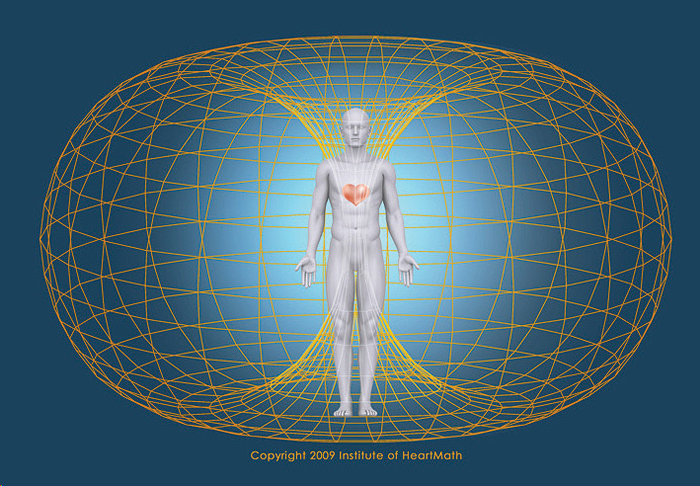
In the mirror, I see a smiling, curious, and imaginative individual who is full of energy and determination.
A sense of peace and relaxation washes over me, creating a seamless flow in my life. Contentment fills my gut, while my heart beats with a burning desire to help others. I am calm yet exhilarated, anticipating the exciting things that lie ahead. Every inch of me and the air around me is buzzing with anticipation.
The soul and the mind:
I understand the deepest longings of my soul. I am determined to focus on my goals and remain attentive to the task at hand.
Right now, I feel a passion to love and understand both others and myself.
I possess the self-control necessary to rise above the constant nagging of the Ego. I am capable of ignoring and defeating it. My true essence, spirit, and truth drive me.
Wisdom guides me, providing intuition and foresight.
The Lord is my guide, bringing comfort and leading me on the path towards my ultimate destination. This journey may take me to incredible places, but my focus remains on my final destination: Let your kingdom come. The kingdom of heaven is within me, and I open myself completely to see, hear, and feel its presence here and now.
Reality is no longer where I am right now. It is fading away as I head towards eternity. The passing days and hours remind me that dwelling in the past serves no purpose. I must focus on what lies ahead. My light must shine outward, guiding me forward, while my senses keep me grounded.
Reality is not a reflection of the past, but of the present moment. I trust myself to adapt and learn from this ever-changing reality. I resist the temptation to dwell in the shadows of the past, as our limited perspective quickly fades. It is not about trying or undoing, but about embracing existence and taking action.
The light shines before me, a reflection of the love that calls us home. It is a miraculous source of hope and direction. I open my eyes to see that I am not the source of this light; it emanates from love itself. It is love that we hope for, how we navigate life, and what I truly believe in. It is faith that empowers us to take the next step, even when we can’t see the ground beneath us. We walk by faith.
In the story of Peter walking on water, when he doubts and begins to sink, Jesus reaches out to save him. It serves as a reminder that faith is essential in our journey.
Faith, hope, and love…
The Road
Unleash your potential by taking the road less traveled. It’s about breaking free from the cycle of starting and stopping, and embracing persistence and perseverance. Instead of sticking to a comfortable spot or going in circles, keep moving forward into the unknown. Take that leap and see where the journey takes you!
| “ | Two roads diverged in a yellow wood, And sorry I could not travel both And be one traveler, long I stood And looked down one as far as I could To where it bent in the undergrowth; Then took the other, as just as fair, And having perhaps the better claim, Because it was grassy and wanted wear; Though as for that the passing there Had worn them really about the same, And both that morning equally lay In leaves no step had trodden black. Oh, I kept the first for another day! Yet knowing how way leads on to way, I doubted if I should ever come back. I shall be telling this with a sigh Somewhere ages and ages hence: Two roads diverged in a wood, and I— I took the one less traveled by, And that has made all the difference. ~Robert Frost | ” |
Prepare For Prayer
Beyond the realms of redemption and forgiveness,
Where do we seek refuge from ourselves?
Where can we flee, where can we find solace?
Let us contemplate the question that lingers,
Were the Apostles endowed with prophetic foresight?
In Peter 1:20, it is written they were ordained by Jesus,
And in Luke 10:16, they are likened to Him;
Rejecting an apostle would be akin to rejecting God.
To unravel this enigma, let us seek guidance,
How may we approach the divine in prayer?
Why do our pleas often fall upon deaf ears?
What transgressions hinder our connection?
To be heard, we must first prepare ourselves:
Know the commandments bestowed by God,
Shun wickedness and embrace purity,
Seek forgiveness for our transgressions,
Embrace the true essence of justice,
And hold steadfast to unwavering faith.
For the word of God is our moral compass,
Trusting in our own hearts is folly.
Ignorance holds no sway in the presence of the Lord,
If we fail to understand His laws,
He may turn a deaf ear to our desires.
Knowledge alone is insufficient,
We must align our actions with God’s will,
For why would He listen if we ignore His voice?
Jesus intercedes on our behalf,
But our sins stand as witnesses against us,
Creating a barrier between us and the divine.
Through the boundless grace of Jesus Christ,
We find forgiveness for our transgressions,
Breaking down the walls of sin that bind us.
Only then may we earnestly seek divine blessings,
For prayer with sin’s barrier intact is futile.
Just acts build bridges between divinity and us,
Justice lies in our compassion for the needy,
In how we treat those we hold dear,
In resolving conflicts without resorting to courts,
In forgiving as we yearn to be forgiven.
It is the adage of treating others as we wish to be treated,
That pleases God and opens the path for His grace.
Yet, amidst this preparation, faith is paramount,
To doubt the power and listen for aid is folly.
Maintain unwavering belief in the divine,
For it is through faith that we remain guided.
Remember, prayers uttered in His name are answered,
In faith we find solace, in faith we find strength.
Thus, let us embark on this journey of prayer,
Prepared and unwavering, with hearts open wide.
Seeking redemption, embracing forgiveness,
Knowing that salvation stands before us,
For the divine awaits our embrace.
The seeker wandered the dusty path, searching for answers. The sun beat down as sweat dripped and feet ached. At the fork, which way leads to truth? Signposts point in opposite directions.
With knees buckling, the seeker collapsed and cried out: “Hear me now in this barren land! Show me the way, I cannot stand!” only wind replied at first, then a still small voice whispered within.
“The path you seek is already known, planted as seed since time was sown. Tend the garden inside the heart, let it grow, right from the start. The outer signs are but a test, to see if inward, you know what’s best. Seek not without, but pray within, and I will show you where to begin.”
At once, a new energy flowed through spirit, mind, and body. The seeker arose and walked on, down the center path, knowing it led home. For when we pray from deep inside, we walk with faith as our guide. External signs may point and sway, but earnest prayer shows us the way.
Why is Easter Important?
So…why is Easter so important to Christianity?
The obvious answer is (I assume most people would say) JESUS ROSE FROM THE DEAD! But why is that important? I pray that I have found the answer. This is what I have found; so far, forgive me if I missed something.
The resurrection is important for many reasons, but the most important reasons are the following:
- It fulfilled the scriptures and Jesus’ prophecy.
- It gave “us Christians” a foundation for our beliefs.
- It turned the disciples, from regular men and women, into prophets.
It fulfilled the scriptures…
What scriptures did it fulfill? It would fulfill the scriptures that were written (in the Old Testament) and the scriptures that would be written years after the resurrection. In Mathew chapter 24, after leaving the temple in Jerusalem, Jesus tells his disciples that this temple will be destroyed. This is the same temple that Jesus talks about in John chapter 2; Jesus says that this temple will be destroyed and in three days he will raise it up. What is Jesus talking about? The answer is quickly and easily found in Revelations 21:22 “I did not see a temple in the city, because the Lord God Almighty and the Lamb are its temple.” Jesus is the temple! Yes, and Jesus is the same temple that they were talking about in the Old Testament (Ezra 5:16). The death and resurrection in Jerusalem brings it all together…it had to happen this way. The temple was destroyed, but in three days it was back up.
It gave “us Christians” a foundation for our beliefs…
As Christians we need a solid foundation for our beliefs, solid ground from which to build our belief system. Where do we start? What essentially is a “Christian”? Jesus gives us this answer, it can be found in chapter 16 of Mark and Chapter 20 of John. After he rises from the dead, Jesus appears to the disciples so that they believe he has risen from the dead. He knows that they NEED to see this. But the message that he gives to the disciples is simple, and it is the foundation for Christianity: “Because you have seen me, you have believed; blessed are those who have not seen and yet have believed.”(John 2o) We, us Christians, are the blessed. There is nothing more essential to Christianity than this belief! It is believing, without seeing, that we are Christians.
It turned the disciples, from regular men and women, into prophets…
What followed after Jesus’ resurrection is what gave us the books Mathew, Mark, Luke, John, and Acts. After Jesus died, the disciples ran inside and locked the door. They were scared, they knew everything that had just happened, and they were devastated. Jesus came back, he rose from the dead, to tell them that they needed to go out and spread Christianity to the world (Mathew 28). He even came back a week later (after his resurrection) to tell a few of them that he was serious—they needed to go out and spread Christianity: “Simon son of John, do you truly love me more than these?” “Yes, Lord,” he said, “you know that I love you.” Jesus said, “Feed my lambs.” (John 21) But Jesus was not going to send them out without the proper tools and training for this new job, being a prophet is serious business. He told them to wait in the city for a little while longer and he would send the Holy Spirit to empower them—the Holy Spirit would turn them from regular men and women into prophets. This spawned the first Christian Saints: “I am going to send you what my Father has promised; but stay in the city until you have been clothed with power from on high.” (Luke 24) What did God promise the disciples? Truth! “In that day you will no longer ask me anything. I tell you the truth, my Father will give you whatever you ask in my name.” (John 16) This is what led to the disciples doing some amazing things—instantly learning new languages, healing the sick, casting out demons, and converting nonbelievers.
So…Happy belated Easter!
Roe v. Wade Wrongly Decided?
The Controversy of Roe v. Wade: Examining the Need for the Majority Opinion
Should the outcome in Roe v. Wade be overturned? Absolutely not! Upon a thorough understanding of the case, this answer becomes clear. However, it is worth questioning the merit and necessity of the majority’s written opinion. As for me, I agree with the decision.
What was at stake in this case? The core issue revolved around whether a state had the authority to criminalize a medical procedure. Specifically, the Texas law deemed all abortions illegal, regardless of circumstances. This should have been an open-and-shut case; in fact, the court could have dismissed it entirely. All lower courts had ruled uniformly on the matter.
In the years leading up to Roe v. Wade, abortion had been a subject taught within prestigious law schools across the country. From Michigan to John Hopkins, it was recognized as a necessary medical procedure in certain cases, such as the threat of death to both mother and fetus. I am not arguing for it as a form of birth control, but rather as a deeply personal medical procedure that lawmakers may struggle to comprehend.
The late Harry Blackmun Esq., author of the Roe v. Wade decision, attempted to demonstrate his understanding of the procedure in his opinion, which had a 7-2 majority. Though not a medical doctor, Blackmun drew on his experience as lead counsel for the Mayo Clinic. While his opinion was intelligently written, it proved unnecessary. Instead, he should have emphasized the intimate nature of the doctor-patient relationship during this procedure, and acknowledged the state’s interest in safeguarding the health, welfare, and morals of the patients through reasonable regulations. It would have been beneficial if he had outlined what those regulations might entail. Today, this is how his decision is mostly interpreted, but the lasting impact and political discourse within the opinion has caused a widespread misunderstanding and ongoing turmoil in American politics.
Roe v. Wade, despite its correct outcome, represents a failure of judicial restraint. The opinion should have been minimal or even non-existent by denying the case entirely. It is unfortunate that many intelligent individuals fail to grasp this concept. As Einstein famously stated, “I propose that two things are infinite, the universe and human stupidity. However, I’m only certain of the latter.”
Gay Marriage Ban Constitutional?
In the realm of marital interpretation, my focus lies on how the Court and courts have deciphered this clause. Allow me to elucidate: within areas where states possess sole jurisdiction, neither federal courts nor other states can overturn a judicial order. In essence, if the facts and laws of a case are interpreted so distinctly by a federal court or another state court that the resulting outcome would differ, it cannot be altered due to the exclusive jurisdiction vested in the court that rendered the decision.
Marriage serves as a prime example of such a contract or covenant. States hold exclusive jurisdiction over marriage. By the authority bestowed upon me by the state of (insert your state here), I now declare you husband and wife. Or, if you reside in a state that sanctions same-sex marriage: I declare you man and man/woman and woman. Thus, the state’s judicial agent or officer, typically a religious minister or justice of the peace, confirms the validity of this deeply sacred contract. In legal terms, what they are stating is that the state now recognizes this covenant as valid.
Returning to the concept of Full Faith and Credit, no state possesses the power to nullify the decision of another state when exclusive jurisdiction is involved. It is important to remember that the recognition or lack thereof of a particular contract by a state’s constitution holds no weight, as the US Supreme Court serves as the ultimate authority. The only potential legal challenge to a contract, settlement, or marriage validated judicially in another state would involve a claim of lack of due process – asserting that one or both parties lacked the capacity, or were deceived or coerced into the contract, settlement, or marriage.
So, what should we make of these prohibitions on same-sex marriage? Our judicial officers – every judge in Michigan – have pledged to uphold the Constitution faithfully, meaning the Federal Constitution, which is deemed the law of the land. However, in Michigan, judges have determined that a Michigan Constitutional Amendment supersedes the Full Faith and Credit Clause. This is a blatant violation of the law! Michigan has no authority to rule that an individual loses their marital status simply by residing in Michigan instead of Vermont, where their marriage was legally established.
This appears to be a clear-cut case. However, we must bear in mind that the judicial branch in Michigan, like in every state, is highly politicized. Consequently, our judges lack the courage to defy the wishes of their constituents by enforcing the law of the land. Perhaps implementing term limits would rectify this situation? All I know is that if America is truly opposed to same-sex marriage, they should seek to amend the Federal Constitution accordingly. Otherwise, as long as one state within the union recognizes same-sex marriage, all states are obligated, by virtue of the Full Faith and Credit Clause, to also acknowledge same-sex marriage.
Philosopher Kings
Plato AND/OR Socrates postulated that it would best for A NATION AND/OR THE WORLD to be GOVERNED by philosopher kings. What does that mean? Should Rawl’s have been elected president. Should Einstein have been appointed the leader of the free world during WWII?
I guess that depends on how we define the “philosopher.” Philosophers, to me, are not limited to people with a published dissertations in Philosophy. The a philosopher is any lover of knowledge. Anyone can be a philosopher…but only a few people truly love knowledge. I know I could stand to love knowledge a little more, sometimes I don’t truly love it. For that reason, I don’t always love myself. I disappoint myself too frequently!
Now back to politics…who should lead us? Democrats? Republicans? Socialists? NO NO NO, we should be led by those that can prove that THEY are lovers of knowledge. How will we know who the lovers are? By the pureness of her words and how her words inspire their actions. Philosophers will live the Beatitudes–Matthew 5:3-12. Therefore, we should rejoice at the idea OF a dictatorship headed by philosophers.
BUT THE PHILOSOPHERS WILL happily turn the power over to the people they govern. They will speak to the masses not from their mouths, but from their hearts. All the rights and freedoms will exist in their proper orthodox. They will think several times…and only then speak once!
“We will live as one…a brotherhood of men.”
~John Lennon
The Reichstage Fire of 2001!
I must admit that I am a sucker for conspiracy theories, but I also think that history has shown us to be suspect of the media.
“When they OWN the information, the can bend it all they want.” John Mayer
German philosopher (1788 – 1860)
It is a widely accepted premise that absolute power corrupts absolutely. And that all leaders, are aspiring for power–probably absolute power. What is the easiest way to achieve power?
Respect: that is very hard to earn, and propaganda makes this almost impossible for any leader
Love: some people just don’t understand benevolence, there are not enough resources to please everyone.
Fear: oh, this is something everyone understands! And this is something the media loves to write about. And when people are afraid, they forget about love and respect. They are willing to blindly follow those in power when they are somewhat convinced that an attack is imminent. After all, a dictatorship works much better during war, because a democracy wastes too much valuable time.
How is 9/11 related to the Reichstage Fire:
Most people don’t think or acknowledge this fact but Adolf Hitler became the Dictator of Germany using the laws of democratic Germany. Hitler was elected to parliament and appointed Chancellor. After that he used anti-Semitic and anti-Communist propaganda to become dictator. What type of propaganda, well the type that could get a party that never held a majority the power to hand pick the most radical CONSERVATIVE to lead the country. The most famous propaganda was the way Hitler planned and had the media report the Reichstage Fire. Basically, he burnt it himself and blamed it on his opposition–Jews and Communists. This scared the shit out of the German people, and out of fear they decided to give Hitler the power to do something about these acts of Terror. Most of the rights German people previously held under their previous democratic state were quickly and easily abolished (through majority vote) and Hitler was given absolute power. During this time, his APPROVAL RATING WAS THROUGH THE ROOF. However, we all know how quickly his fame and approval turned to notoriety and down right hatred. But the bottom line is, a really radical dude that very few people agreed with came to power and stayed in power using fear tactics.
How is this similar to 9/11?
When Bush came to power, the country was very split politically. He was the first president to be elected by the Supreme Court in Bush v. Gore. He didn’t win the popular vote or the electoral vote. Soon after he took office, the people that helped him get in began to realize that he wasn’t all that great either. So instead of having the 45 + percentage of American’s behind him, he was faced with the lowest approval ratings for such a new president. This was especially odd because Bush didn’t inherit any real problems, besides his own publicity problems. The budget was balanced, no wars were waging, and Americans seemed relatively happy. But that all changed when Bush decided to give tax cuts to the rich and pass no Billionaire left behind. It was nearly a consensus, by Summer 2011 that we had ourselves a lame duck president in only his first term. We didn’t love him and nobody–not even is own father–respected him.
Then there was 9/11:
“You know who did it?” “Islamic? Fishes? Fuck knows.” Jasper continues: “I’ll bet it was the government. Every time one of our politicians is in trouble, a bomb explodes.”
~Children of Men
During the months before 9/11 the CIA had a list of only 16 individuals in the US that were restricted from flying because they were feared terrorists living in America. The media said that this was because Al Queda had such an elaborate planning scheme that they were able to allude the most intelligent military intelligence officers in the history of the world. Osama Bin Laden hand selected the best and the brightest to fly airplanes into the twin towers. The twin towers…not the Hoover Dam, not the Brooklyn Bridge, not any crucial piece of the American infrastructure. Al Queda was so smart and meticulous, yet they chose a lackluster target. They chose to fly into buildings that were supposed to withstand this sort of accident.
What happened after 9/11?
Bush became the most popular president in history. The economy continued to plummet, but Congress seemed hell bent on giving him more and more power. The Patriot Act, War in Iraq, Guantanamo Bay. Does that sound at all like the laws Hitler passed, the World War Hitler started and the internment camps Hitler ordered to be constructed.
We were all afraid and angry, so we gave Bush the power to save us. Now we have Patriot laws depriving us our rights/freedoms, a Prison full of too many innocent middle-easterners, and War in the middle-east that seems to be fueled by nothing but religious radicals and oil seekers.
Its time we put out the Reichstage Fire of 2001. Anyone who opposes a proper 9/11 investigation is simply encouraging yet another Reichstage Fire.
Are Conservatives Great? The GOP did some Great things, right?
“I am having difficulties understanding any good things that conservatives bring to the table in American politics; can someone thoughtfully explain to me why any would be a conservative?”
My unedited responses are in red :)…
- How about the fact that it was anti-slavery expansionist that formed the GOP and got Abraham Lincoln elected president and brought an end to slavery in the US.
- Yes, but Lincoln was a radical republican. A liberal–at the time–not a conservative. Republicans have not always been conservative.
- How about that it was a republican version the civil rights act that passed back in the summer of 1964. It was only after republican’s added language regarding women’s rights to the bill was the senate able to garner enough votes to end a 54 day filibuster which was lead in part by democrats. Or the fact that republicans had women’s rights as part of their charter 20 years before the civil rights act was passed. And the fact nearly 80 percent of republicans in both the house and senate for in favor of the bill, which was larger percent than democrats voting for it!
- You are wrong again! The republicans added that language so that it wouldn’t pass. They thought there is no way they would give minorities and women civil rights. The republicans opposed the civil rights bill because they supported separate but equal. Liberals opposed the bill because it didn’t provide enough equality.
- Also, Republicans were not always conservative. George Wallace, one of the worst KKK racist conservatives of all time ran for President, as a Democrat.
- How about that the policies of the wildly popular conservative Ronald Reagan, led to the end of the Cold War and the fall of the Berlin wall. His fiscal policies led us to the largest and longest economic expansion the US had seen in decades, which allowed President Bill Clinton to preside over a booming economy and go on to balance the federal budget….
- Reagan’s dergulation led to initial expansion of the economy, but if you read Allen Greanspan’s (the previous federal reserve chairman) you will understand why his policies actually led to our current recession, the dot.com bubble, the housing crisis, and bank/mortgage fraud
- Reagan had little to do with the fall of the Berlin wall. The reason the Red failed is because of the US and European embargo placed on communist countries. Its amazing they lasted so long. Reagan just continued the policies or the former administrations, and it eventually obtained the results they were planning on obtaining all along.
- How about that republicans consistently protect the rights of the un-born (pro-choice). Many liberals want abortion to be legal at any stage of a pregnancy, even the 3rd trimester, even partial birth abortion
- True, in part. But the reason liberals support abortion is because they believe that it is a medical issue between a doctor and her patient. Additionally they want to protect women from having to use hangers in dark alleys the way they had to in the past. Also, I don’t know of anyone that actually likes abortion. I love babies and the unborn, and I hate the idea of abortion. However, I hate the idea of making any medical procedure a crime. It is a very sticky issue, but it is better to be pro-choice rather than anti-choice. All the pro-choice countries throughout the world (everywhere but Ireland) don’t really seam to encourage abortion–with the exception of the US. The Netherlands and the UK actually fund abortion and they have a smaller, per capita, abortion rate.
- Republican’s fight to allow voluntary school prayer. Which I was able to do as a kid in school.
- Our constitution calls for a tall wall between the government and the church- Thomas Jefferson
- Most of our founding fathers were atheist or agnostic, though it was very unpopular at the time
- This includes George Washington 😦
- Republican’s fight to protect our constitution which many liberals would like to radically change or make obsolete
- No, republicans choose to use the constitution to protect their values, the same way liberals do. Its a living breathing document. You see, after the 14th amendment was passed:
- “The Union survived the civil war, but the constitution did not”– Thurgood Marshal
- Republicans fight to protect our pledge of allegiance many liberals would love to remove the words “under GOD”. Liberals would love to remove God from many of American phrases.
- The pledge of allegiance was instituted during the cold war as propaganda against the atheist communists. The pledge has nothing to do with American values, and everything to do with a military dictatorship.
- Republicans fight to protect the sanctity of marriage in the US, defining it as between a man and women.
- Liberals seek to protect the full-faith and credit clause of the constitution by trying to make states honor valid marriages from other states, even if it is homosexual.
- Love and benefits shouldn’t be limited to only male-female relationships. Gays should be allowed to love and marry equally.
- Republican’s also fight to limit the power and expansion of labor unions. Labor unions are killing American business.
- Labor Unions are the primary reason laborers throughout the world receive a decent wage and benefits. It they were not so beneficial, why did conservatives try so hard to make them illegal. Its called a collective bargaining agreement. Any fuck-ups are equally the fault of the educated managers that come to terms with unions.
Obama a TERRORIST, could it be?
Among those surveyed, former Alaska Gov. Sarah Palin is the favorite candidate for the 2012 presidential election.
Read more: http://www.politico.com/news/stories/0210/32384.html#ixzz0eUIzvwAE
Okay, again thank you to the man I call “Big Daddy.” Anyway, this article shows how crazy radicals on either side can be. The radicals still contain a certain amount of clout and/or credibility in society simply because of how united they are and how loud they scream. This article points out a poll of very conservative republicans that is analyzed to display that they hate the president and also believe things that are contrary to common sense.
One of my favorite quotes is this: You are entitled to your own opinion, but you are not entitled to your own facts. The people in this poll think that Obama wants the terrorists to win, is not a US citizen, and wants the United States to become Stalinist State. I don’t think there are any facts that one could say reasonably implies that this is true. What I know is true, is that Obama is perceived as being far more liberal than any other president that we’ve ever had. However, should anyone be surprised? He’s young, black, intelligent, a lawyer, AND A MEMBER OF ACADEMIA. The vast majority of each of these groups are liberals. They are liberals because they recognize the status quo hasn’t worked, because of the great inequalities that still exist. Its a very simple, but important, evaluation that we all should make. Not only am I a liberal toward politics, I am a liberal towards my own person. If I keep the status quo, I will never grow or adapt to the growing needs of my family and myself.
Like I said in my previous post “Leaders shouldn’t do stupid shit.” On a small scale, we our each the leaders of our own person. By neglecting to recognize or seek the truth, we are leading ourselves into a deep dark cave. Some of the people in that cave are Neo-Nazi’s, Racists, KKKers, Gang Bangers, Radical Communists…the list could go on and on.
Stay out of the cave my friends…Jesus said I am the way the truth and the light. Whether you are religious or not, you must agree that there is very little light in the cave. If the way, the truth, and the light are all one and the same, then you ‘d better go towards the light if you want to be ENLIGHTENED…and yes a pun was intended!
Leaders shouldn’t do Stupid Shit
I always here people saying, “thanks Obama” or “F Bush” or “thanks to Granholm.” My thought is, is it really their fault, even in part? I will be the first to admit that I think George W. Bush is an awful man and that he truly didn’t act in the best interest of the country. He was a foolish leader, and as a result, our relations with other countries have been strained. However, did all the legislation that was passed during his 8 years in office have a great deal to do with him, or is there some other culprit here? Is the recession Bush’s fault, is it the governments fault, or is it anyone’s fault?
Basically, my view on all of this is the following:
People like to ask, “whose in charge,” and that person becomes the scapegoat. However, lets distribute blame where it is due. I don’t think any politician intentionally wants this country to be worst off after the leave office. I don’t think that was on Bush’s agenda. So we can’t say anyone intentionally screwed up anything (I suppose people can argue otherwise). So is Mr. President or the presidents of the past deserving of any blame?
Well, when you a person takes office they promise to faithfully uphold the constitution and blah blah blah keep us all safe. I know many of Bush’s actions were constitutionally questionable, but the Supreme Court never said that he, himself, was guilty of any crime. Some of his acts were unconstitutional, but I don’t think any were made in complete disregard of constitutional restraints. I don’t know if any president blatantly disregards the common law interpretation of the constitution…so thats not at issue here.
Now that we have established that we have no right to call our president or the recent presidents a criminal (with the exception of Nixon), are they deserving of blame?
The president, like every government official, has limited powers (most of which are not enumerated). And with those powers come duties. Has a president breached his duty to us simply because unemployment is high and the economy is down? Not necessarily! The president breaches his duty if he is negligent…yes I am using a torts term: He fails to use reasonable care in his actions. We can certainly show that he has a duty, but now we need a standard to determine “reasonable care.” I don’t have any way of determining this, so I’m gonna simplify it, the president shouldn’t do stupid shit! Things that are void of reason.
Now lets apply this standard!
Can we say that the president is ever negligent in passing a law given to him by congress. No! Why not? Because half of our elected officials are asking him to do it…basically signing legislation can never be stupid shit.
So what kind of actions can we classify as “stupid shit.” Basically the powers that the president has that come with little restraint. What can the president, in his discretion, do? I don’t know all of them and I don’t know if the constitution lists all of them (probably not). But I do know that he can grant pardons, move and order the troops, meet with other heads of states, hold press conferences, and (THIS IS A BIG AND) direct his/her party. So, has the old president messed up in any of these areas? Not really, I mean I cannot think of anything that stands out. It seems like he was reasonable in delegating most of his duties and although his decision to invade Iraq was questionable, it was still supported by our legislature.
So what stupid shit did he do? What stupid shit does the president do? This is it: he comes up with elaborate schemes to shift his party, and thus a great deal of our elected officials to do stupid shit. Thats where, I think, it falls. Its the way he leads his/her party. He has restraints on his power as commander and chief, but those restraints can be lessened if he can convince his party to give him something, thus convincing our elected officials to do something CARELESS. Under the Bush administration he used the illusion of the “war on terror” to do stupid shit. And to be fair, Obama is using the recession to carelessly push for bail-out funds that seem to do nothing but protect old money.
So what am I trying to say? Its not the President that messes things up, its his role as the party leader that allows him to be careless. Thats where the power is and thats where stupid shit can begin. So to say that anyone was a bad “president” is probably a misstatement. To say someone was a bad leader (of his political followers/puppets) is more proper. A great example of this is Adolf Hitler. Hitler was a great Führer but a rotten leader. The same goes for Bush, and it could stand for Obama. But don’t hate the office, hate the party and his role as party leader.
AND THATS WHO WE ARE TO BLAME, THE PARTIES THAT DO STUPID SHIT! NOT THE OFFICES, BUT THEIR INFORMAL ROLES…THE ONES THAT DON’T NEED A MAJORITY VOTE. (PRETTY DAMN SCARY)
Remember that the entire time Bush was in office, Kerry was still the leader of the Democratic party…so if you want to blame Bush, don’t forget to blame Kerry to. He, although he wasn’t elected, probably did some stupid shit too!
He’s still better than Bush and most conservatives though 🙂
http://news.bbc.co.uk/2/hi/americas/8474611.stm
Special thanks to Brian “Big Daddy” Schmidtke
Beliefs and Mental Illnesses
I was listening to NPR the other day (the NPR link is on the bottom of my page) and I heard a very interesting story about extremely religious people (people that spend a great deal of time praying). They examined the brains of the religious people and compared them to a control group and the results were amazing. When the religious people were praying a part of their brain actually began to light up. That part didn’t light up in the control group. It was as if their brains were somehow wired differently.
A very easy anthropomorphic explanation would be that God was causing this phenomenon inside the person’s head, however a deeper look may give us a better explanation. Scientist refuted this explanation by comparing these brains to people with schizophrenia and other mind delusions. And what do you know…they came up looking pretty much the same as the religious folks. Basically, through deep prayer and reflection, they were actually forcing their minds to abandon reality and believe something that is–practically speaking–illogical.
So why do I bring this up? Well because I am really struggling with many of my close friends and family members that seem to foolishly cling to their views that are obviously illogical. Hell, I don’t know why I cling to some of my views that I cannot articulate an argument to support. For instance, why does name brand food taste better (to me) than generic food? Have I programed my mind to think that a fancier box actually makes food taste better?
I know that analogy may not make sense at first glance, but if you think about it only thinking about the marketing tactics groups use to persuade us, it makes a lot of sense. Think religion–the robes, the churches, the gold chalices, the hymns…etc Political parties: the colors, the speeches, the commercials, the adds…etc. What does this marketing do? I think the same thing the religious people are purposely doing to themselves. The marketing forces us to program our brains to accept something despite the illogical/absurd consequences it bring about. As the religious man constantly tells himself that the “man in the clouds” is speaking to him, the political extremist–fueled by television, newspaper, billboards, and radio–tells himself that these politicians are working for him. Actually, he doesn’t have to tell himself anything…its already being said for him. And when he begins to let it in, it shapes his mind. He will, like the religious folks, have some inexplainable activity going on in his head. It is not the man in the clouds talking to him, its John McCain, Barak Obama, Hilary Clinton, George Bush…etc. He becomes a Democrat, Republican, or Libertarians…etc. He finds himself forcing a square peg into a round hole, and smiling at the results. The same way that the religious man rejoices when he hears voices when knows that he is alone–believing he is conversing with “the man in the clouds.”
Both the religious folks and the political folks begin by allowing everything “in” and analyzing it logically, but slowly many begin to have these new parts of their brain light up in response to the creative marketing tactics. He becomes the equivalent of our insane brothers and sisters…only instead, we call them Democrats and Republicans . Or in the extreme case we have called them Nazi’s, KKK, Stalinists, Marxists, Maoists…etc.
Brothers and sisters, be leery of these mental illnesses and be open to the Elenchus. I have no idea what irrational beliefs I hold until someone is kind enough to question me–thus challenging my wisdom. Take pity on those that cannot see through these absurdities, but also, don’t allow them to take power and run our country and the rest of the world into the ground. These are the folks that fight wars of passion, use resources without worrying about their scarcity, and burn bridges without ever knowing where that bridge may lead.
As a great French philosopher once said, “
US Generosity
I’ve heard many people from all different backgrounds complain about how much money the US spends/wastes on foreign aid. I agree with the nay sayers…to a point. I am very saddened by how much money the US wastes on general aid to Israel, thus helping them enforce their apartheid (another blog issue).
Aside from the Israel issue, I am upset with the amount of money the US spends on foreign aid. However, I am upset with how little–as a percentage of GNI–the US spends on foreign aid. It seems to me that our government, for the most part, only donates money that will benefit the US. Most foreign aid is given to other countries in the form of vouchers to American Companies. This, in effect, does little to stimulate the economies of developing nations. Much to my surprise, we make very few cash deposits–with the exception of the Israel situation. We are, on the other hand, happy to give away our old military equipment to countries that we like (usually we sell the equipment at a discounted price + call it a donation in part).
In the United States we have grown accustomed to an easy lifestyle, that requires us to do very little work ourselves. Even the lowest class people in the US do not suffer in the way billions of people suffer every day in developing nations. I understand that there is much corruption in other countries and simply giving money to those governments is not a viable option. However, I would like to remind everyone that we are not an extremely generous country (as many people think). Its true that we give more than any other country (with many strings attached) in dollars, but we have many more people and much more money than most countries throughout the world.
We were, in America, endowed with a great number of resources that we bought, stole, or embezzled from previous claimants/owners. The least we can do is share those resources with countries that weren’t formed on oil wells and vast fertile grounds. Much of our success has come simply because of our geographic isolation and abundance of domestic resources. We didn’t earn all of it (probably not most of it). Why don’t we give a little more of it away? After all, we seem hell bent on not spending it on our own people–notice how we still fail to have universal healthcare.
Official Development Assistance by country as a percentage of GNI
The Organisation for Economic Co-operation and Development lists countries by the amount of money they give as a percentage of their gross national income. This list is as follows:
- 1.
 Sweden – 1.02%
 - 2.
 Norway – 0.89%
 - 3.
 Luxembourg – 0.84%
 - 4.
 Netherlands – 0.81%
 - 5.
 Denmark – 0.8%
 - 6.
 Ireland – 0.54%
 - 7.
 United Kingdom – 0.51%
 - 8.
 Belgium – 0.5%
 - 9.
 Austria – 0.47%
 - 10.
 France – 0.47%
 - 11.
 Finland– 0.4%
 - 12.
 Switzerland – 0.39%
 - 13.
 Germany – 0.36%
 - 14.
 Spain – 0.32%
 - 15.
 Australia – 0.3%
 - 16.
 Canada – 0.29%
 - 17.
 Iceland – 0.27%
 - 18.
 New Zealand – 0.27%
 - 19.
 Japan – 0.25%
 - 20.
 Portugal – 0.21%
 - 21.
 Italy – 0.2%
 - 22.
 Turkey – 0.18%
 - 23.
 United States – 0.18%
 - 24.
 Greece – 0.17%
 - 25.
 Hungary – 0.13%
 - 26.
 Czech Republic – 0.12%
 - 27.
 Slovakia – 0.1%
 - 28.
 Poland – 0.09%
 - 29.
 South Korea – 0.05%
 - 30.
 Thailand – 0.04%
Welfare in America
A good friend of mine asked me today to blog about welfare. Welfare brings up many social, political, and moral issues. One way to frame the issue is: why do we give money to lazy people. Another way to frame the issue is: why do we give money to those that convince the government that they are financially less fortunate and deserving of welfare. The latter is the best way to frame the issue.
I chose the latter because I did a little research and discovered that it would be inappropriate to classify welfare recipients as LAZY. Statistically speaking, 60% of welfare recipients are older than 45 or younger than 18. I know arguments can be made that people between 45 and 65 should work, but I’m gonna say for arguments sake that those people are out of the prime working years. So if they are not working because they are lazy, that’s okay, because we really don’t want them to work if our 18-45 year olds can get the job done. What I’m trying to say is this: we can’t call 60% of welfare recipients lazy, because they are not called to the workforce. Children under 18 make up 25% of welfare recipients, we can’t require child labor, so they are out of the question. People older than 65 make up another 15%, that brings us up to 40%. And people 45-65 make up 20%. So we have a grand total of 60%. And those people cannot be said to be avoiding work, because society doesn’t call them to work.
Now we need to analyze the other 40% that could be classified as lazy. Of that 40%, 65% are on welfare for a limited period (often 3-5 years). So we must presume that 65% must have gotten a job, or simply decided not to take the benefits they qualify for. I’ll presume the former. That leaves us with 35% of the remaining 40% that are on welfare for a substantial period of time. That leaves us with 14% of welfare recipients that could theoretically be abusing the system because they are lazy frauds.
This 14% is what welfare critics must be complaining about. Well, not exactly… They are complaining about the ones that don’t deserve the benefits. A single mother of three that is working two waitressing jobs, but can’t quite make ends meet; so she goes on welfare, isn’t who any reasonable person would be complaining about. I don’t have any statistics on this, but I’m gonna go out on a limb and say at least half of this 14% are not frauds. So that leaves us with 7% that slip through the cracks of the bureaucracy (constructively speaking).
What do we do about these people (which is a big assumption in and of itself that they are in fact cheating)? What things ought we do to ensure that they are not stealing our welfare money because they are lazy addicts? Many argue for drug testing. That would mean that we would have to drug test all welfare recipients because 7% may be cheating the system. Some people will say that we should drug test them all, because we shouldn’t give welfare to any drug user, regardless. Again, I want to focus on the cheaters. If you can use drugs, use welfare for a few years and get back on your feet, and you become a productive member of society, despite your addiction, more power to you (that does bring up other issues though)! So I am still focusing my energy on that 7%. It wouldn’t be fare to assume that all of them are on drugs, cheating welfare requires an elaborate scheme that most addicts aren’t capable of. So, at most half of the 7% could be drug addicts–3.5% of welfare recipients. When it boils down to that, it really seems like a waste of time and resources to require all recipient to be tested for drugs because of this small percentage–the moral, ethical, and social considerations aren’t even worth discussing now.
So now we are again left with what to do with this remaining 7%! Drug testing won’t help us. Should we make stricter guidelines to receive welfare? We must remember that 65% of all recipients are only on welfare for a short period of time and eventually get back on their feet. Making the process harder would really hurt these people that do eventually benefit from welfare and become productive members of society. But we still have those 7% that slip through the cracks. So is it worth it to heighten the standards (which would probably cost a lot of money), to thwart that 7% that could be cheating welfare? From a simple utilitarian position–which works here–it would be absurd to heighten the standards.
So what can I conclude: NOTHING? I made a lot of presumptions, but I think I was pretty reasonable in my analysis. It sounds like welfare is alright the way we currently have it (with the exception of a few minor tweaks). An argument could even be made that it leaves out deserving non recipients (thats another blog issue). It probably unjustly leaves out just as many deserving citizens as it lets in.
So what do we do??? That’s why this blog has a spot for COMMENTS. Talk to me people!
Religion and Politics
I have a hard time reconciling the obvious conflicts between religion and politics. I think the reason is that religion and politics both rely heavily on propaganda/marketing. And once the obtain a member they do a certain amount of brainwashing to keep them. For instance, the church says you will face eternal damnation if you leave (at least the Catholic Church). In politics, I think, brainwashing by helping you choose your news source, and through that source you are daily reminded of what you are supposed to “believe.” Fox News and CNN are good examples of polar opposites. Fox News fuels the conservatives by making the issues call for a “conservative” solution. CNN does the same thing. I am very liberal, but I can watch Fox News and get somewhat informed by it. Although I disagree with their political jargon, they do not deviate all that much from the actual facts–they simply change the issue and leave the facts the somewhat the same. But all news stations do this, some do it on accident.
So in order to cleanse myself of the obvious issues with news and religion propaganda, I’ve chosen to check out a variety of news conglomerations, like Google news and yahoo news (which pick from newspapers/articles from all over the world). As for religion, I get the spiritual stuff when I go to church (which is less and less often each year). For example, I use church to give me a certain mantra regarding what my community believes to be good or evil. But I don’t let it tell me what to do or not to do, I simply use it as a tool to make sure my views on morality are consistent with my community. I don’t know if this is the best way to do it, but it is working for me. Please let me know what you think!
Also, please don’t point out spelling and grammatical errors…it hurts my feelings 😉
Liberal verses Conservative
Really, I think most don’t know what it means to be conservative or liberal. Its not good verses evil. It is really those that want to preserve the status quo while maintaining a tight grip on all of our rights except gun control, and think the best economic system is found through trickle down economics (conservatives)–low taxes especially for the rich.
Liberals on the other hand believe in higher taxes, but also higher social welfare: universal healthcare, welfare, medicare…etc. They also believe that we are endowed with certain inalienable rights that the government is here to protect, although the right to have an automatic weapon is not one of them–neither is the right for a state to exchange a life for a life (capital punishment).
This is a broad summary of what it means to be liberal v. conservative. Keep in mind that over time it was the conservatives that opposed ending slavery, giving women the right to vote, equal rights, and now equal access to healthcare. You’ll see that the liberals will win the healthcare battle too! Its inevitable!
Haiti and the “Right”
I hope not to offend anyone BUT, I PROBABLY WILL (PLEASE TELL ME IF YOU ARE OFFENDED): Okay I know we have freedom of speech in this country guaranteed by the 14th amendment and the 1st amendment, but its not absolute! Thus, Pat Robertson and Rush Limbaugh should be placed in a Haitian prison for their most recent comments. AND ANYONE THAT BELIEVES THEM SHOULD GO TOO! OR RECEIVE MEDICAL ATTENTION!


 A Personal ELENCHUS