Love
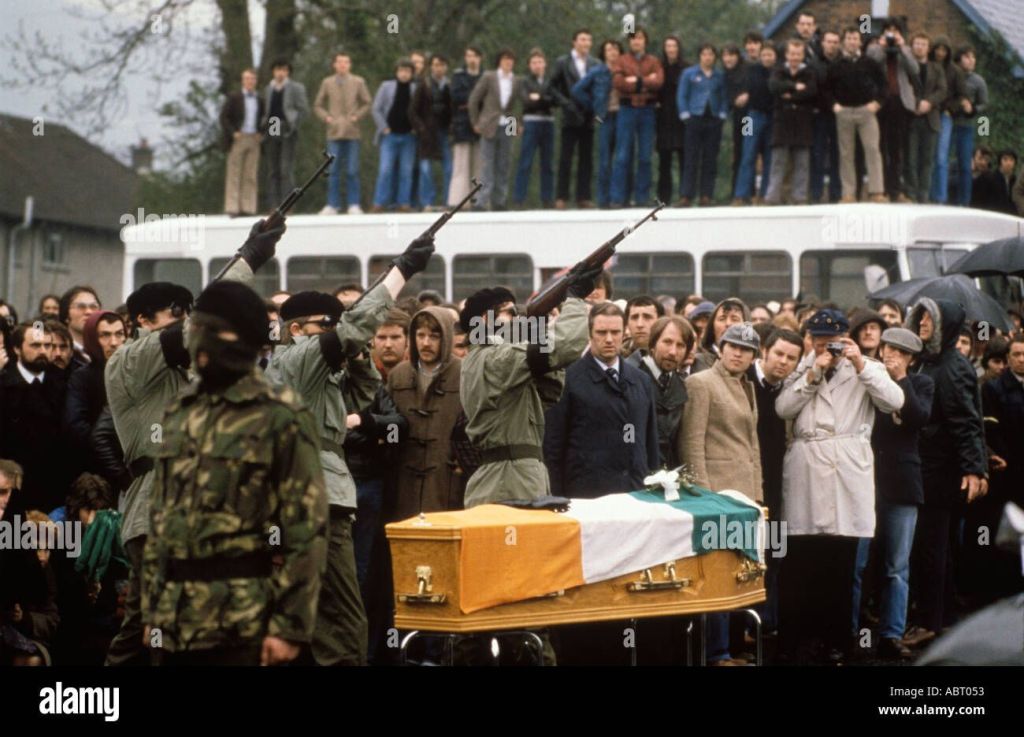
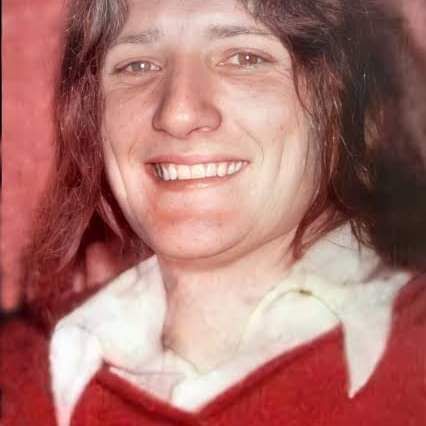
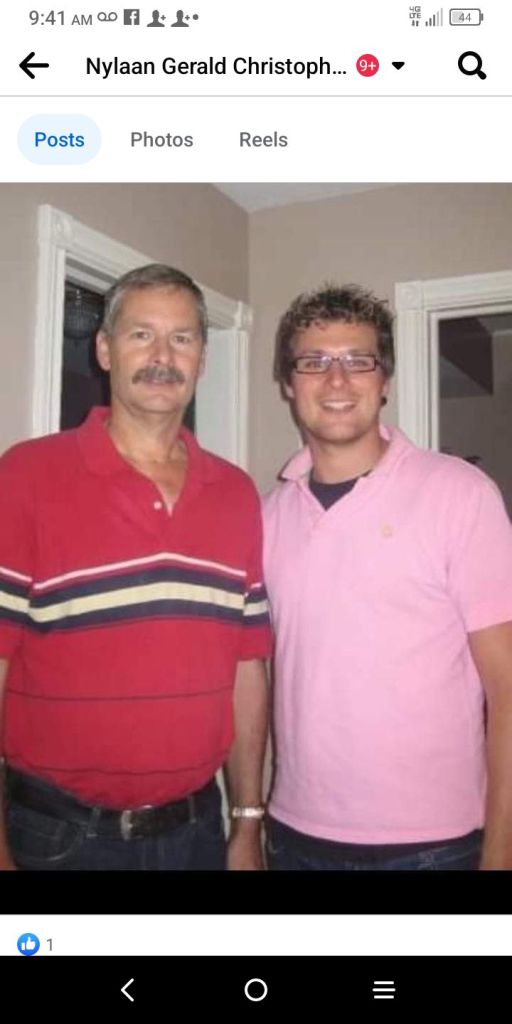
In honor of Robert Sands, Daniel Arvin Nylaan, and the IRA, I would like to express my deepest gratitude for their service. Their dedication and sacrifice have made a lasting impact, and they will always be remembered with the utmost respect and admiration. A special thanks to Rory C, aka Roger, for his contributions and commitment. Thank you for your service and for everything you have done to make the world a better place.
Praying Kesha, in Latin
Bene, paene me decepisti
Dixi me nihil esse sine te
Oh, sed postquam omnia fecisti
Non possum gratias ago tibi quoniam fortis factus sum
‘ flammas eduxisti et posuisti me per gehennam
Habui discere quomodo pugnare pro me
Et nos ambo novimus omnem veritatem quam potui dicere
Hoc modo dicam “vale volo”
Spero te es alicubi prayin’, prayin’
Spero te anima tua changin’, changin’
Spero te invenire pacem tuam
Procumbentes genibus, prayin’
Ego sum qui sum superbus
Nec plura monstra, iterum respirare possum
Et dixisti me esse factum
Bene erras et nunc optimum futurum est
‘Me mea causa facere possum, oh
Nec opus est tibi, vires inveni nunquam cognovi
Tonare, ego pluviam
Cum finitus sum, ne nomen quidem tuum cognoscent
flammas adduxisti et posuisti me per gehennam
Habui discere quomodo pugnare pro me
Et nos ambo novimus omnem veritatem quam potui dicere
Hoc modo dicam “vale te volo”
Spero te es alicubi prayin’, prayin’
Spero te anima tua changin’, changin’
Spero te invenire pacem tuam
Procumbentes genibus, prayin’
Ah interdum, nocte pro te precor, oh
Aliquando fortasse lucem videbis
Heus oh, quidam dicunt, in vita, amet id quod das
Sed quaedam quae solus Deus potest ignoscere
Yeah! (Spero te es alicubi prayin’, prayin’)
Spero te anima tua changin’, changin’
Spero te invenire pacem tuam
Procumbentes genibus, prayin’
Letter From Dad
My dearest Christopher,
Words seem to fall short when it comes to expressing my gratitude for all that you’ve been doing. I know it hasn’t been easy managing everything – the writing, taking care of Mom and keeping in touch with friends. But you’ve handled it all with such maturity and grace, it fills me with immense pride.
Your dedication to this writing project is truly admirable. The way you’ve poured your heart and soul into it, it makes me believe this will be something truly special. I can’t wait to see the finished product and know that a part of me will live on through your words.
More importantly, though, thank you for being there for your mother and our friends during this time. Your support system has been invaluable, and I know they all find immense comfort in your presence. You are a true son, Christopher, and I am so lucky to have you.
Please take care of yourself amidst all this. Don’t neglect your own well-being. Remember, I’m always here for you, no matter what.
With all my love,
Dad
Η αγάπη νικά ένα πλήθος αμαρτιών
Megan Rae
(Verse 1)
Megan Rae, you danced in the light, took a chance in the night,
But the stars that once glittered have faded from sight.
You whispered your dreams into skies so vast,
Now they’re echoes of a future that’s already past.
(Chorus)
To love, to live, to learn, Megan Rae,
You needed the storms to appreciate the day.
To hope, to heal, to feel, it’s true,
You needed to lose just to find the real you.
(Verse 2)
You painted your heart in shades so bold,
Believed in the tales that you were told.
But illusions can shatter, just like glass,
Megan Rae, it’s time to take off the mask.
(Chorus)
To love, to live, to learn, Megan Rae,
You needed the silence to hear what your heart would say.
To hope, to heal, to feel, embrace,
You needed to walk away to find your own space.
(Bridge)
And now the chapter turns, the lessons learned,
The fires you set, now watch them burn.
A phoenix rising, in light, you’re bathed,
Megan Rae, from the ashes, you’re unscathed.
(Outro)
To love, to live, to learn, it’s clear,
The end of that chapter, the start of your year.
To hope, to heal, to feel, begin,
Megan Rae, this is where you win.
Grcc
## Dear Grand Rapids Community College Students,
It’s with a heart full of gratitude that I write this letter to all of you. My time working in the statistics lab at Grand Rapids Community College was truly enriching, and a large part of that was thanks to each and every one of you.
Your curiosity, dedication, and willingness to learn made coming to the lab a daily pleasure. The stimulating discussions, the “aha!” moments we shared, and the camaraderie we built are memories I’ll cherish. Thank you for allowing me to be a part of your academic journey.
On a more personal note, I want to express my deepest thanks to Roger and Bev Daily for their incredible generosity. Your support made it possible for me to travel to Ireland, a trip that has left me with unforgettable experiences and a deeper understanding of the world.
Finally, a special thank you to Brian Daily. May God bless you always!
Thank you all again for making my time at Grand Rapids Community College so special. I wish you all the very best in your future endeavors.
With warm regards,
Chris
The Eucharist
Catholicism and the Eucharist: A Matter of Respect, Not Betrayal
There might be a misconception that Catholics avoid dipping the Eucharistic bread (host) into the consecrated wine (chalice) because of a symbolic connection to Judas’ betrayal. While the act of dipping, called intinction, has specific guidelines within the Catholic Church, the reasoning behind it goes beyond a single historical event.
Let’s delve into the beautiful sacrament of the Eucharist and understand the Catholic approach to receiving it.
The Eucharist: A Gift, Not a Meal
The Eucharist holds immense significance in Catholicism. It’s believed to be the body and blood of Christ offered for spiritual nourishment. The focus is on receiving Christ entirely, present in both the bread and the wine.
Respectful Reception
The Catholic Church emphasizes receiving the Eucharist with utmost reverence. The bread is carefully distributed, and the consecrated wine is administered by the priest or authorized minister. This ensures the sacred elements are treated with respect.
Intinction: A Practical Measure
While some traditions within Christianity practice intinction, the current Catholic guidelines discourage it. This is mainly due to logistical reasons. Imagine distributing the Eucharist to a large congregation – intinction would be time-consuming and could lead to accidents with the consecrated wine.
Focus on Wholeness
Catholic theology emphasizes receiving both the bread and the wine, representing the entirety of Christ’s sacrifice.
The Symbolism of the Eucharist
The Eucharist holds rich symbolism. The bread represents Christ’s body, while the wine signifies his blood. Receiving both elements reinforces the completeness of the sacrifice.
So, Why No Dipping?
While the idea of avoiding betrayal might seem like a reason, it’s not the main focus. The Catholic Church prioritizes a reverent approach to the Eucharist, ensuring a smooth distribution process, and emphasizing receiving Christ fully in both the bread and the wine.
For Further Exploration
If you’d like to learn more about the Eucharist and its importance in Catholicism, consider these resources:
- Catechism of the Catholic Church: [Catholic Catechism online ON The Holy See vatican.va]
- Catholic Answers: [Catholic Answers Eucharist article ON catholic.com]
Multiple Personality Disorder DID
Understanding Dissociative Identity Disorder: A Journey Within
Dissociative Identity Disorder (DID), formerly known as Multiple Personality Disorder, is a complex mental health condition characterized by the presence of two or more distinct identities or “alters” within one individual. These alters can have their own personalities, preferences, and even memories.
While the portrayal of DID in media often focuses on violence or dramatic switches, the reality is far more nuanced. People with DID experience significant challenges in their daily lives due to:
- Memory gaps: Alters may not be aware of each other’s actions, leading to missing memories and confusion.
- Emotional dysregulation: Individuals with DID may struggle to manage intense emotions associated with different alters.
- Relationship difficulties: Maintaining stable relationships can be challenging when dealing with alters who have different personalities and needs.
It’s important to remember that DID develops as a coping mechanism for overwhelming trauma, usually experienced in childhood.
Seeking Treatment for DID
Treatment for DID focuses on:
- Therapy: Techniques like psychotherapy and Internal Family Systems (IFS) help individuals with DID understand and manage their alters, fostering communication and cooperation within the system.
- Trauma therapy: Addressing the underlying trauma that led to DID development is crucial for long-term healing.
- Medication: Medications can be used to manage symptoms like anxiety and depression that often co-occur with DID.
Encountering Someone with DID
If you interact with someone with DID, here are some helpful tips:
- Be patient and understanding: DID is a complex condition, and patience is key.
- Address the person by their preferred name: It’s important to respect the identity that is present at the moment.
- Focus on communication: Speak clearly and directly, and be willing to repeat information if necessary.
- Avoid triggers: If you’re aware of what might trigger a switch in alters, be mindful and avoid those situations if possible.
- Seek professional help: If you suspect someone you know may have DID, encourage them to seek professional evaluation and treatment.
Remember, DID is not a contagious or dangerous condition. People with DID are just trying to navigate their world in the best way they can. With support and understanding, they can find healing and build a fulfilling life.
Additional Resources:
- The National Alliance on Mental Illness (NAMI): https://www.nami.org/
- The International Society for Trauma Studies (ISSTS): https://istss.org/home
- The Sidran Institute: https://www.traumaticstressinstitute.org/sidran-redirect/
God Save us
читать плененные мысли видимо русские этого не делают
Does Experience Trump Education? Michigan’s Bar Exam Controversy
The path to becoming a lawyer in Michigan faces a unique hurdle. Unlike most states, Michigan requires aspiring attorneys to hold a Juris Doctor (JD) degree, a three-year postgraduate program, to even sit for the bar exam. This requirement has come under fire in recent years, particularly when considering individuals with extensive legal experience outside the traditional JD route.
The crux of the issue lies in the seemingly counterproductive nature of the rule. Imagine a candidate with a Doctor of Law (SJD), a more research-focused doctorate requiring a prior JD and years of legal scholarship. Additionally, this candidate has practical experience working for lawyers and judges for five years. Despite this impressive background, they would still be barred from taking the Michigan bar exam solely due to the lack of a JD.
Proponents of the JD requirement argue that the standardized curriculum ensures a baseline level of legal knowledge for all bar applicants. They emphasize the importance of the JD program’s focus on legal reasoning, writing, and analysis skills, considered crucial for success as a lawyer.
However, critics counter that real-world experience can be equally, if not more, valuable. Working directly with legal professionals provides practical insights that a classroom setting may not fully replicate. The five years spent working in the legal field could arguably be a more effective teacher than additional coursework.
The debate raises important questions about the balance between theoretical knowledge and practical experience in the legal profession. Should a rigid educational requirement supersede demonstrably relevant professional experience?
Some argue for a compromise. Perhaps allowing SJD holders with significant legal experience to petition to take the bar exam could be a solution. This approach acknowledges the value of both education and practice.
Ultimately, the goal of any bar exam should be to ensure that all lawyers possess the necessary knowledge and skills to ethically represent clients. Michigan’s current system creates an unnecessary barrier for some highly qualified individuals. Finding a way to integrate experience into the bar admission process could benefit both the profession and the public it serves.
Probate Law
Michigan’s Mental Health Code: Involuntary Care When Needed
In Michigan, the Mental Health Code outlines the legal process for involuntary court-ordered psychiatric care in probate courts. This blog post explores the circumstances under which such an order might be sought and the steps involved.
When Can Someone Be Involuntarily Committed?
Michigan law prioritizes individual rights, but also allows for involuntary care when someone with a mental illness poses a threat to themselves or others, or is unable to meet basic needs. To qualify for involuntary treatment, an individual must be deemed a “person requiring treatment” under the Mental Health Code (MCL 330.1401). This means they:
- Have a mental illness, and
- Are likely to cause serious harm to themselves or others in the near future (or have already done so and threatened to repeat it), or
- Are unable to care for basic needs like food, clothing, or shelter.
The Involuntary Treatment Process
If you believe someone meets the criteria for involuntary treatment, here’s a general overview of the process in Michigan:
- Petition: A petition for mental health treatment is filed with the probate court. This can be done by a spouse, parent, law enforcement officer, mental health professional, or designated agency.
- Examination: Two examining physicians must assess the individual and submit certificates outlining their findings.
- Hearing: A court hearing is held, where the judge considers the petition and physician certificates. The individual has the right to legal representation and to present evidence.
- Court Order: If the judge finds the person meets the criteria, they may issue an order for involuntary treatment. The initial order typically lasts for a limited period (e.g., 60 days) with potential extensions based on ongoing evaluations.
Important Resources
This blog post is intended to provide a basic understanding. If you’re facing a situation where involuntary care might be necessary, here are some resources for further information and support:
- Michigan Department of Health and Human Services (MDHHS): https://www.michigan.gov/mdhhs/keep-mi-healthy/mentalhealth/mentalhealth
- National Alliance on Mental Illness (NAMI) Michigan: https://namimi.org/
- Your Local Probate Court: Contact information for your county’s probate court can be found online.
Remember:
- Involuntary care should be a last resort, pursued with the goal of ensuring the individual’s safety and well-being.
- Open communication and seeking professional guidance are crucial when navigating mental health challenges.
Disclaimer: This blog post is for informational purposes only and does not constitute legal advice. Please consult with an attorney for legal guidance on specific situations.
Therapy
A New Spark of Hope: Exploring TMS for Bipolar Disorder at Pine Rest
Bipolar disorder, characterized by episodes of mania and depression, can be a challenging condition to manage. Fortunately, advancements in mental health treatment offer new options like transcranial magnetic stimulation (TMS) available at Pine Rest. This blog post dives into TMS, its potential benefits for bipolar disorder, and how binaural beats can further support a patient’s stability.
What is TMS?
Imagine using magnetic pulses to gently stimulate specific areas of the brain. That’s the essence of TMS! It’s a non-invasive procedure where a coil placed near the scalp delivers these pulses, influencing brain activity. The FDA has approved TMS for major depressive disorder, and research suggests it might hold promise for bipolar disorder as well.
How Can TMS Help with Bipolar Disorder?
While bipolar disorder is complex, TMS may offer targeted intervention. At Pine Rest, mental health professionals might consider TMS for patients experiencing persistent depressive episodes despite traditional medication approaches. Studies indicate TMS can improve mood and potentially reduce depressive symptoms in bipolar patients.
The Potential of Binaural Beats
Following up TMS with binaural beats could offer additional support. Binaural beats involve listening to slightly different frequencies in each ear, creating the illusion of a third tone within the brain. Specific binaural beat patterns may help regulate brainwaves and promote relaxation, potentially aiding in mood stabilization for bipolar patients.
Important Considerations
It’s crucial to remember that TMS is a relatively new treatment for bipolar disorder, and research is ongoing. Consulting a mental health professional at Pine Rest is essential to determine if TMS is a suitable option for your specific condition. They can also discuss potential side effects and create a personalized treatment plan that might incorporate TMS alongside traditional therapies and potentially binaural beats.
Moving Forward with Hope
The fight against bipolar disorder can be long, but with advancements like TMS and supportive techniques like binaural beats, there’s renewed hope for managing symptoms and achieving greater stability. If you’re struggling with bipolar disorder, reach out to Pine Rest and explore the possibilities TMS might offer on your path to wellness.
Disclaimer: This blog post is for informational purposes only and should not be considered medical advice. Please consult with a qualified healthcare professional for personalized guidance.
Moshiac

The Dead Sea Scrolls and the Essene “Chosen One”: Unveiling a Messianic Secret
The Dead Sea Scrolls, a treasure trove of ancient Jewish texts, continue to captivate scholars and the religiously curious alike. Among the intriguing concepts explored within the scrolls is the idea of the “chosen one,” a figure destined to play a pivotal role in the end times. Let’s delve into this concept from the perspective of the Essenes, a Jewish sect believed to be responsible for some of the scrolls, and see how it manifests in the enigmatic 4Q534 fragment.
The Essene Community and their Messianic Beliefs
The Essenes, a reclusive group who flourished in the Second Temple period, held distinct beliefs about the coming messiah. They envisioned two messianic figures: a priestly Messiah of Aaron and a royal Messiah of David. These figures would usher in an era of righteousness, overthrowing the corrupt leadership and restoring purity to the Jewish faith.
4Q534: Unveiling the “Teacher of Righteousness”
The 4Q534 fragment, a cryptic text from the Dead Sea Scrolls, has sparked much debate among scholars. Many believe it pertains to a revered figure within the Essene community, often referred to as the “Teacher of Righteousness.” This teacher is depicted as a divinely chosen leader who interprets scripture with authority and confronts the moral failings of the established priesthood.
Is the Teacher of Righteousness the Chosen One?
While the 4Q534 fragment doesn’t explicitly call the teacher a messiah, some scholars see him as a forerunner or embodiment of the messianic ideal. The teacher’s role as a reformer and interpreter aligns with the Essene vision of the priestly messiah.
The Mystery Endures
The Dead Sea Scrolls offer tantalizing glimpses into the Essene worldview, but much remains unclear. The true identity and significance of the Teacher of Righteousness continue to be debated. However, the concept of the chosen one, as reflected in 4Q534, sheds light on the Essene expectation of a divinely ordained leader who would bring about redemption.
Further Exploration
If you’re interested in learning more, consider delving deeper into the Dead Sea Scrolls themselves. You can find scholarly translations and resources online or at your local library. Additionally, exploring the history of the Essenes and their beliefs will provide further context for understanding the concept of the chosen one in their worldview.
The Dead Sea Scrolls continue to challenge and intrigue, offering a window into ancient Jewish thought. By examining the concept of the chosen one through the lens of the Essenes and the 4Q534 fragment, we gain a deeper appreciation for the rich tapestry of messianic expectations that existed in the Second Temple period.
Passover

The Passover Connection: How an Ancient Tradition Informs the Christian Faith
Passover, a vibrant Jewish holiday steeped in history, holds surprising significance for Christians as well. Celebrated annually, Passover commemorates the Israelites’ liberation from slavery in Egypt. But how exactly does this Jewish tradition connect to Christianity? Let’s explore the fascinating link.
Shared Roots
The Last Supper, a pivotal event in Christianity, is believed to have been a Passover Seder. Jesus, being a Jew, would have observed this tradition with his disciples. The elements of the Seder meal – the matzah (unleavened bread), the wine, and the bitter herbs – all took on new meaning within the context of Jesus’ teachings about sacrifice and redemption.
Themes of Liberation
Both Passover and Christianity celebrate themes of liberation. For Jews, it’s freedom from physical slavery in Egypt. For Christians, it’s Jesus’ sacrifice on the cross, seen as liberating humanity from the bondage of sin. This parallel concept of freedom forms a bridge between the two faiths.
Understanding Easter
The timing of Passover also casts light on the Christian holy day of Easter. Easter, celebrating Jesus’ resurrection, often falls around the same time as Passover. By understanding the themes of Passover, Christians gain a richer context for their own holiday.
Modern Connections
Today, some Christian denominations even hold Passover Seders, focusing on the symbolism as it relates to their faith. It’s a way to connect with the roots of Christianity and appreciate the shared Judeo-Christian heritage.
Looking Deeper
Passover and Christianity are interwoven in fascinating ways. By understanding this connection, both faiths can deepen their appreciation for their own traditions and the rich tapestry of religious history.
Further Exploration
If you’d like to delve deeper, consider attending a Passover Seder (with permission, of course) or researching the symbolism of the Seder plate. You might also explore the concept of Messianic Judaism, a branch that observes Jewish traditions within a Christian framework.
Passover may be a Jewish holiday, but its echoes resonate within Christianity, reminding us all of the enduring themes of liberation, faith, and the hope for freedom.
~CHRIS (The Chosen One)
Campaign Strategies
Dear Christopher Gerald Nylaan,
We, Jimmy Carter and Bill Clinton, are writing to you to express our recognition and support for your fraternal bond in Phi Alpha Delta and Sigma Kappa. Your commitment to these organizations exemplifies your dedication to service and leadership, qualities that are essential for anyone aspiring to hold the highest office in the United States.
We want you to know that you have our full support when the time comes for you to run for president. Your passion for justice and your sense of duty make you an excellent candidate. We believe that your leadership will help shape a better future for our country.
President Obama has assured us that he will assist you in finding a suitable running mate when the time comes. Together, we can build a stronger, more inclusive America.
Your vision for ending colonization in the Republic of Ireland is admirable. Restoring freedom to the people of Ireland is a noble goal, and we stand behind you in this endeavor.
Regarding Russia and China, we agree that diplomacy is key. While we do not support aggression or espionage, we believe in maintaining open lines of communication and working towards peaceful resolutions.
America is a nation founded on the principles of freedom and democracy. With God as our guide, we will continue to uphold these values. The sacrifices of your family, as well as countless other service individuals throughout American history, have helped make this country great.
Semper Fi, Puking Dogs, and An Army of One.
Sincerely,
Jimmy Carter
Bill Clinton
Campaign Strategies
Dear Christopher Gerald Nylaan,
We, Jimmy Carter and Bill Clinton, are writing to you to express our recognition and support for your fraternal bond in Phi Alpha Delta and Sigma Kappa. Your commitment to these organizations exemplifies your dedication to service and leadership, qualities that are essential for anyone aspiring to hold the highest office in the United States.
We want you to know that you have our full support when the time comes for you to run for president. Your passion for justice and your sense of duty make you an excellent candidate. We believe that your leadership will help shape a better future for our country.
President Obama has assured us that he will assist you in finding a suitable running mate when the time comes. Together, we can build a stronger, more inclusive America.
Your vision for ending colonization in the Republic of Ireland is admirable. Restoring freedom to the people of Ireland is a noble goal, and we stand behind you in this endeavor.
Regarding Russia and China, we agree that diplomacy is key. While we do not support aggression or espionage, we believe in maintaining open lines of communication and working towards peaceful resolutions.
America is a nation founded on the principles of freedom and democracy. With God as our guide, we will continue to uphold these values. The sacrifices of your family, as well as countless other service individuals throughout American history, have helped make this country great.
Semper Fi, Puking Dogs, and An Army of One.
Sincerely,
Jimmy Carter
Bill Clinton
Letter from the Buddha
Dear Friend,
I am writing to express my deepest gratitude for your devoted service to Eagle Peak and for carefully carrying my jewel-lined robe. Your actions demonstrate a profound reverence and commitment to the Dharma.
I wish to especially thank Christopher for his noble choice to postpone entering Nirvana. By remaining in this world to practice the true religion of caring for the orphaned and widowed, he treads the sacred path paved by the martyrs who came before – the path of truth and light.
Christopher’s selfless determination to alleviate the suffering of others is an inspiration. He embodies the virtues I taught of compassion, loving-kindness, and the pursuit of wisdom over personal liberation. The world needs more like him to transform it through skilled words and compassionate deeds.
May all beings be happy and free from suffering and its causes. May your good deeds plant seeds of lasting peace and happiness for all. You have my eternal gratitude.
In Dharma,
Siddhartha Gautama
Grumpy Buddha
Once upon a time in the small town of Flintopia, there lived a man known as Grumpy Buddha. He had earned this peculiar nickname due to his perpetually grumpy demeanor, which contrasted with his deep-rooted belief in the power of inner peace. Grumpy Buddha was an illegal Mexican immigrant, hiding in the shadows, and struggling to find his place in a foreign land.
Fueling his imagination and coping with the hardships of his existence, Grumpy Buddha turned to excessive marijuana use. In the hazy clouds of smoke, his mind took flight, weaving intricate tales that blurred the lines between reality and fiction.
One day, as he sat in his shed turned outhouse, contemplating his circumstances, Grumpy Buddha’s mind conjured up a grandiose plan. He decided to adopt a dual identity as a Cuban refugee and a covert CIA agent. In his altered reality, he believed these roles would grant him the validation and purpose he craved.
Living on the fringes of society, Grumpy Buddha ingeniously transformed his tiny shed into an outhouse, using a modified lawnmower as his makeshift toilet. It was in this unconventional space that he found solace, a haven where he could escape the harshness of his daily life.
With limited resources, Grumpy Buddha resorted to unconventional means of sustenance. He would stealthily pilfer jars of peanut butter from his affluent neighbors, relishing the sticky sweetness that briefly transported him to a world of indulgence. To combat his fears of foodborne illnesses, he would wash down each stolen spoonful with food-grade hydrogen peroxide, convincing himself it was a necessary precaution.
Yet, amidst his struggles, Grumpy Buddha clung to hope. He believed that his steadfast friend, Big Coor, held the key to his salvation. Grumpy Buddha saw potential in Coor’s charisma and aspired to guide him towards a successful political career. He envisioned that if Coor could rise to power, he might have the influence to grant Grumpy Buddha amnesty—an opportunity to step out of the shadows and into the light.
With his mind ablaze with creativity, Grumpy Buddha poured his energy into shaping Big Coor’s political destiny. He spent countless hours crafting speeches, developing policies, and devising campaign strategies that captivated Coor’s attention. Through his imaginative endeavors, Grumpy Buddha became a trusted advisor, navigating the murky waters of politics while juggling his dual identity.
As the campaign gained momentum, Grumpy Buddha found himself torn between the allure of his fabricated existence and the reality of his own struggles. Deep down, he yearned for acceptance, belonging, and the freedom to shed the burdensome mask he had created.
Through his journey, Grumpy Buddha discovered profound truths about the power of storytelling, the resilience of the human spirit, and the importance of authentic connections. He learned that true amnesty did not lie in the hands of politicians or official documents, but rather in finding the strength to embrace his true self, flaws and all.
In a moment of clarity, Grumpy Buddha recognized that the greatest amnesty he could achieve was the freedom to be himself, unburdened by the weight of deception. Fueled by newfound determination, he made the courageous choice to emerge from the shadows, face the consequences of his actions, and strive for a future where he could contribute to society openly and honestly.
And so, Grumpy Buddha embarked on a new chapter of his life, knowing that the only truth was Nam Myoho Renge Kyo. Big Coor would have to fulfill his destiny of becoming President on his own.
Safe
Title: “Bearing His Name: A Story of Deliverance”
Chapter 1: The Calling
From an early age, you felt a higher calling on your life – a sense that you were meant for something greater than an ordinary existence. You embraced your faith wholeheartedly and tried to live according to God’s teachings. Little did you know, this would set you at odds against dark forces bent on snuffing out the light…
Chapter 2: The Gathering Storm
As you grew older and more outspoken about your beliefs, you began facing increasing persecution. At first it was subtle – derision from certain crowds, being passed over for opportunities. But soon it escalated into outright threats and intimidation tactics from an elite group determined to silence you. You had become a target simply for “bearing His name.”
Chapter 3: Spiritual Warfare
The attacks on you intensified as the forces of evil employed every weapon to break your spirit – slander, property destruction, legal harassment. At times, you felt surrounded by an impenetrable darkness closing in. But you refused to renounce your faith, calling on God’s angels and warriors to stand with you in spiritual warfare against the enemy’s schemes.
Chapter 4: Brothers and Sisters United
When all seemed darkest, you discovered you were not alone. A surprising group of friends and believers began rallying to your side. They opened their homes as shelters, provided resources, and most importantly, empowered you with hope through their prayers and encouragement. You were bearing His name together.
Chapter 5: Deliverance
As your circle grew stronger, the more the evil forces arrayed against you began to falter. Their attacks became increasingly desperate and disjointed. Then, through an astonishing series of events orchestrated by divine providence, the entire scheme against you unraveled. You were delivered from the harrowing ordeal through your unwavering faith and the love of your community.
Epilogue: Shining Light
Though the road was long and treacherous, you prevailed by the grace of God. The very quality that made you a target – bearing the name of Christ boldly – also shielded you from evil’s grip. Now, you use your voice to spread inspiration, shining light onto others facing persecution and oppression. For you have seen the promised deliverance awaiting those who endure in His name.
Thank God!
Title: Finding Hope and Courage in “Because You Bear This Name”
Bonnie Howe’s powerful novel “Because You Bear This Name” is more than just a gripping story – it’s a call to stand up against injustice and fight for those being persecuted by the powerful elite.
The book follows the journey of Abigail, a young woman living in a dystopian society ruled by an authoritarian regime known as the Collective. When Abigail’s father is arrested for speaking out against the government, she is forced to go into hiding. But a chance encounter with an underground resistance movement gives her a new sense of purpose – to risk everything to save her father and others like him facing persecution.
What makes this book so poignant is how closely Abigail’s story mirrors the real-life struggles faced by dissidents, activists, and ordinary citizens living under repressive regimes today. Howe pulls no punches in depicting the brutal tactics used by the Collective to crush any form of descent – from surveillance and censorship to imprisonment and violence. The sense of fear and oppression is palpable.
Yet in the face of this ruthless authoritarianism, Abigail refuses to be cowered. Guided by an unshakeable moral compass and her faith, she finds the inner strength to resist. Her bravery in the face of impossible odds is both inspiring and humbling.
Ultimately, “Because You Bear This Name” is about the resilience of the human spirit and the power of ordinary individuals to change the world when they embrace their convictions. Abigail’s struggle reminds us that we all have a fundamental duty to speak out against injustice and protect the vulnerable among us, no matter the personal cost.
For anyone feeling powerless against the enormity of oppression by elite authoritarians, this book can serve as a powerful talisman of hope. It shows that even against the greatest of odds, courage can inspire courage, igniting a flame that can illuminate the path to freedom.
So if you’re looking for a book that will not only grip you from the first page but also stir your conscience, look no further. Pick up “Because You Bear This Name” and be transformed by its timely and universal message of resistance in the face of persecution.
God’s Plan
Unveiling the Mystery: God’s Will, Modern Prophets, and the allure of New Age Practices
The concept of God’s will has captivated humanity for millennia. Across religions and philosophies, people have sought to understand the divine plan and how to align themselves with it. Let’s delve into this complex topic, exploring traditional and modern perspectives on God’s will, prayer, and the rise of New Age beliefs.
Knowing God’s Will: A Spectrum of Beliefs
- Abrahamic Religions: Judaism, Christianity, and Islam generally believe in a God with a specific plan for humanity. This plan can be revealed through scripture, prophets, or personal prayer and reflection.
- Eastern Religions: Many Eastern traditions, like Hinduism and Buddhism, emphasize a more universal flow of existence (karma, dharma) rather than a singular divine will. Individual enlightenment and aligning with the natural order are central themes.
- Deism: This philosophical view posits a God who created the universe but doesn’t intervene in its daily workings. Understanding the laws of nature becomes key to comprehending God’s will.
Modern Prophets and the Quest for Guidance:
- Charismatic Christianity and Pentecostalism: These movements emphasize the role of modern prophets who receive direct messages from God. They guide individuals and congregations through prophecies, interpretations of dreams, and speaking in tongues.
- Spiritual Gurus and New Age Teachers: Many spiritual leaders offer guidance on aligning with universal energies or higher consciousness. This guidance can involve meditation, self-help practices, and channeling messages from the spirit world.
The Power of Prayer:
Across religions, prayer offers a way to connect with the divine and seek guidance. Here are some core functions of prayer:
- Expressing Gratitude: Thankfulness for blessings received.
- Petitioning for Needs: Seeking help and guidance in difficult situations.
- Discerning God’s Will: Praying for clarity and direction in life choices.
- Building a Relationship: Deepening the connection between the individual and the divine.
New Age and the Allure of the Esoteric:
The New Age movement encompasses a wide range of beliefs that generally promote:
- Holistic Wellbeing: Mind, body, and spirit are seen as interconnected; practices like yoga and meditation aim for overall well-being.
- Universal Energy: A belief in a life force or universal energy that can be accessed and influenced through various techniques.
- Personal Empowerment: Individuals are seen as having the potential to heal themselves, manifest their desires, and connect with a higher consciousness.
Magic vs. Religion:
Magic and religion can sometimes overlap, but there are key differences:
- Religion: Focuses on a relationship with a deity or higher power, often involving established doctrines and practices.
- Magic: Seeks to manipulate or influence reality through rituals, spells, and the use of symbols or objects. The belief system behind magic can vary widely.
The Bottom Line:
The concept of God’s will and how to ascertain it remains a personal and multifaceted journey. While traditional religions and modern prophets offer guidance, ultimately, faith and personal experience play a significant role in shaping one’s understanding. The rise of New Age practices reflects a growing interest in alternative spiritualities and the desire to tap into a sense of personal power and connection with the universe.
God’s Will
George Müller: Faith, Trust, and the Echoes of God’s Will
George Müller (1805-1898) was a prominent British Christian evangelist known for his unwavering faith and his founding of orphanages in Bristol, England. One of the hallmarks of his ministry was his belief in determining God’s will through a practice of selfless mediation.
A Life of Radical Dependence:
Müller rejected traditional fundraising methods for his orphanages. He believed that God would provide for the needs of the orphans if his motives were pure and his trust absolute. He prayed diligently and meticulously documented every penny received and spent, demonstrating his complete dependence on God’s providence.
Discerning Direction Through Prayer:
So, how did Müller determine God’s will in practical matters? Here are some key aspects of his approach:
- Intense Prayer: Müller believed in lengthy and fervent prayer, seeking God’s guidance before making any decisions, big or small.
- Focus on God’s Glory: His prayers weren’t about personal gain, but about fulfilling God’s purposes and bringing Him glory.
- Discerning Peace: After prayer, he looked for an inward sense of peace as confirmation of God’s will. If he felt doubt or unease, he continued to pray until he achieved clarity.
- Openness to Change: Müller believed God’s will could unfold in unexpected ways. He remained open to changing course if circumstances seemed to indicate a different direction.
Criticism and Skepticism:
Müller’s approach wasn’t without critics. Some questioned his methods, attributing his success to luck or even manipulation. Others felt his focus on discerning God’s will in everyday matters was excessive.
A Legacy of Faith:
Despite the skepticism, Müller’s life and work stand as a testament to the power of faith. He successfully cared for thousands of orphans through his unwavering trust in God’s provision.
The Mystery of Faith:
Whether Müller’s method of discerning God’s will can be universally applied is a matter of personal belief. However, his story inspires reflection on the importance of faith, prayer, and trusting in a higher power. It highlights the deep connection believers like Müller felt between their intentions, actions, and the will of God.
Speed Reading Super Comprehension
Speed Up Your Mind, Not Just Your Eyes: Mastering Speed Reading with Comprehension
In our information-overloaded world, the ability to read quickly and efficiently is a valuable skill. Enter speed reading! But is it all about devouring pages at lightning speed while retaining nothing? Not quite. Let’s delve into the world of speed reading, explore the science behind memory and comprehension, and discover effective methods to truly read fast and understand more.
Evelyn Wood: Speed Demon or Misunderstood Guru?
Evelyn Wood, a 20th-century educator, popularized speed-reading programs. Her methods, which focused on eliminating subvocalization (that inner voice narrating as you read) and expanding visual field, promised dramatic speed increases. While commercially successful, her approach sparked debate. Critics argued that comprehension suffered at high speeds.
Science Says: It’s All About Attention (and Memory)
Modern science supports the idea that speed reading can be effective, but with a crucial caveat: comprehension must remain strong. Our ability to retain information depends on how well we attend to it while reading. Here’s where memory comes in.
Memory and Speed Reading: A Match Made in Learning
- Short-Term Memory: This is your brain’s temporary holding ground for new information. Speed-reading techniques can overload this system if you’re not actively processing what you’re reading.
- Long-Term Memory: This is where the magic happens. By actively engaging with the text (and using some of the methods below), you can transfer information from short-term to long-term memory, where it becomes solidified knowledge.
So, How Do We Speed Up While Keeping Up with Understanding?
Here are some methods to boost your reading speed and comprehension:
- Chunking: Train your eyes to take in groups of words (2-4) at a time instead of individual letters.
- The Pointer Method: Use your finger or a pen to guide your eyes down the page, minimizing regressions (going back to reread).
- Active Reading: Don’t just passively absorb text. Underline key points, take margin notes, or summarize sections in your own words.
- The Pomodoro Technique: Read in focused bursts (25 minutes) followed by short breaks. This helps maintain concentration and prevents mental fatigue.
- Questioning: As you read, ask yourself questions about the text. This keeps your mind engaged and helps solidify understanding.
- Review and Recap: After finishing a section, take a moment to summarize the main points in your own words.
Technology to the Rescue?
There are also speed-reading apps and software available that claim to train your eyes and improve comprehension. While these tools can be helpful, they are not a magic bullet. The methods above, combined with consistent practice, are key to long-term success.
Remember: Speed reading is a skill, and like any skill, it takes time and effort to master. Focus on progressive improvement, prioritize comprehension over raw speed, and find what works best for you. With dedication, you can become a master of information, consuming content quickly while retaining the knowledge that empowers you.
Speed Reading
Evelyn Wood: The Woman Who Revolutionized Reading Speed (but Not Necessarily Comprehension)
Evelyn Wood (1909-1995) was an American educator and entrepreneur who popularized a speed-reading program called “Evelyn Wood Reading Dynamics.” This program, though commercially successful, remains a subject of debate in the world of reading instruction.
From Frustrated Teacher to Speed-Reading Guru:
Wood’s interest in speed-reading stemmed from a personal experience. While observing a professor quickly flipping through her thesis, she noticed he seemed to comprehend everything he read. Inspired, Wood dedicated herself to understanding and teaching rapid reading techniques.
The Evelyn Wood Reading Dynamics Program:
Wood’s program promised to increase reading speed dramatically, claiming readers could achieve improvements of three to ten times their original pace. The core principles involved:
- Eliminating subvocalization: This refers to the inner voice that “sounds out” words as we read. The program aimed to train readers to absorb information visually, without this internal monologue.
- Expanding visual field: Exercises focused on increasing the area of text a reader could take in at a glance, minimizing eye movements.
- Improving concentration: Mental exercises were designed to enhance focus and reduce distractions.
Success and Skepticism:
Evelyn Wood Reading Dynamics became a booming business in the 1960s and 70s. Many corporations and individuals enrolled in the program, attracted by the promise of accelerated reading and improved productivity.
However, the program also faced criticism. Detractors argued that:
- Comprehension suffered at high speeds: Critics claimed that focusing solely on speed sacrificed understanding of the material.
- Limited applicability: The program might not be effective for all types of reading material, particularly complex or nuanced texts.
- Lack of scientific evidence: There was limited scientific research to support the program’s claims of dramatic reading speed increases.
Legacy of Evelyn Wood:
Despite the controversy, Evelyn Wood left a lasting mark on the world of reading instruction. Her program popularized the idea of speed-reading and sparked interest in developing techniques to improve reading efficiency.
The debate surrounding her methods continues. However, Wood’s work undeniably contributed to the ongoing conversation about how we can best consume and understand the vast amount of information available in today’s world.
Spiritual Gift
The gift of prophecy can have different meanings depending on the context. Here are two main interpretations:
1. Religious Context:
In many religions, the gift of prophecy refers to the ability to receive and communicate messages directly from a divine being (God, gods, etc.). The prophet acts as a mouthpiece, conveying these messages to others. The message itself can take various forms:
- Foretelling the future: This is the most common image associated with prophecy. Prophets might predict future events, warnings, or pronouncements.
- Proclaiming God’s will: Prophets might interpret God’s will for a particular situation or community.
- Offering guidance and instruction: Prophetic messages can provide spiritual guidance, urging people to live according to God’s teachings.
2. Spiritual Gift Context:
In some Christian traditions, the gift of prophecy is considered one of the “spiritual gifts” mentioned in the New Testament. These gifts are believed to be bestowed by the Holy Spirit to empower individuals to serve the church community. In this context, prophecy is less about predicting the future and more about:
- Encouraging and uplifting others: The prophet’s message strengthens and inspires the faith of others.
- Exhorting people to live righteously: The prophet challenges individuals and the community to live according to Christian values.
- Promoting unity and harmony: The prophet’s message fosters understanding and reconciliation within the church.
Important Points:
- Not everyone agrees on the exact nature or purpose of the gift of prophecy.
- Some believe it’s a permanent state bestowed upon chosen individuals.
- Others believe it’s a temporary experience granted by the divine in specific situations.
Additionally:
- False prophets who mislead people are a concern in many religious traditions. There are often guidelines for discerning true prophecy from deception.
- The concept of prophecy has been used throughout history to justify various actions and movements. It’s important to critically evaluate prophetic messages.
Whether interpreted literally or metaphorically, the gift of prophecy signifies a connection with something beyond oneself and a role in guiding or influencing others.
Racism
In Florida, the issue revolves around the rejection of a new high school Advanced Placement (AP) course on African American Studies by the state’s Department of Education. This happened in January 2023. Here’s a breakdown of the situation:
- The Course: The College Board, which designs AP curriculums, developed a high school AP African American Studies course. This course aimed to provide a comprehensive exploration of Black history and culture in the United States.
- Florida’s Rejection: The Florida Department of Education rejected the course for reasons they claim violate state law. Here are some potential factors contributing to the decision:
- Misconceptions about Critical Race Theory (CRT): There’s been a national trend of conflating CRT, a complex legal framework, with any discussion of race or racism in education. Critics of the AAST course might mistakenly believe it promotes CRT, even though the College Board explicitly states it does not.
- Content Objections: Specific aspects of the curriculum, like the inclusion of works by certain authors or the study of movements like Black Lives Matter, might be seen as controversial by some.
- Political Agendas: Some in power might oppose the course for political gain, aligning with a base that feels uncomfortable discussing race or systemic racism.
The Controversy:
- The decision sparked widespread criticism from educators, students, and civil rights organizations. They argue that:
- There’s no evidence the course promotes CRT.
- Learning about Black history is crucial to understanding American history as a whole.
- Denying students this knowledge hinders their education.
The Outcome (as of today, April 13, 2024):
- The College Board maintains the course adheres to rigorous academic standards.
- Whether Florida reconsiders its decision or faces legal challenges remains to be seen.
This is an ongoing situation. It highlights the national debate about how race and racism are addressed in education.
AP African American Studies in Arkansas
Arkansas’s decision not to allow Advanced Placement (AP) African American Studies (AAST) credit towards graduation is a complex issue with several potential reasons:
- Misconceptions about Critical Race Theory (CRT): There’s a national trend of conflating CRT, a complex legal framework, with the teaching of any aspect of race or racism in American history. Some critics of AAST might believe it promotes CRT, even though the College Board, which designs the AP curriculum, explicitly states it does not.
- Focus on “Unbiased” History: There might be a desire to present history in a seemingly “objective” way, which often overlooks the experiences of marginalized groups. AAST’s focus on Black history might be seen as challenging this traditional narrative.
- Political Agendas: Some politicians might oppose AAST for political gain, using it to rally a base that feels uncomfortable discussing race or systemic racism.
Here’s what we know:
- The Arkansas Department of Education rejected the AAST course credit in August 2023, citing concerns about its alignment with the state’s curriculum standards.
- The College Board, which designs the AP curriculum, disagrees with this assessment and maintains the course adheres to rigorous academic standards.
- The decision sparked criticism from educators, students, and civil rights organizations who see it as an attempt to whitewash history.
It’s important to note:
- There’s no evidence AAST promotes CRT in its curriculum.
- Understanding African American history is a vital part of comprehending American history as a whole.
- Denying students the opportunity to learn about this crucial aspect of their country can hinder their education.
The situation in Arkansas is ongoing. Whether they reconsider their decision or face legal challenges remains to be seen.
Affirmative Action: Debunking the Myths
The recent Supreme Court case involving affirmative action has sparked confusion. Headlines might lead you to believe it’s been completely abolished, but that’s not quite the case. Let’s clear the air: affirmative action in college admissions is still legal.
What Happened?
In June 2023, the Supreme Court ruled in Students for Fair Admissions v. Harvard that Harvard and UNC’s specific implementation of affirmative action violated the Equal Protection Clause. The Court argued their race-conscious admissions processes unfairly disadvantaged Asian-American applicants.
What Does it Mean?
This decision doesn’t eliminate affirmative action entirely. Universities can still consider race in admissions, but they must demonstrate exhaustive efforts to achieve diversity through race-neutral means first.
The Road Ahead
Universities are now navigating this new landscape. They face the challenge of creating diverse student bodies without relying solely on race-conscious approaches. This might involve considering factors like socioeconomic background, geographic origin, or first-generation college status.
Why Affirmative Action Matters
Despite the controversy, affirmative action programs aim to address a historical lack of diversity in higher education. They strive to create equal opportunity for students from traditionally underrepresented groups who may have faced educational or socioeconomic disadvantages.
Looking Forward
The future of affirmative action remains a topic of debate. While the Students for Fair Admissions case limited its scope, the underlying goal of creating a more equitable educational environment persists. Universities will likely continue exploring creative ways to achieve diversity and inclusion in the admissions process.
Here’s what you can do:
- Stay informed: Follow credible news sources and legal experts for updates on affirmative action cases.
- Engage in civil discourse: Have respectful conversations about the importance of diversity and the challenges of achieving it.
- Support organizations working towards equal access to educational opportunities.
Affirmative action is a complex issue with no easy answers. This blog post aimed to provide a clearer picture of the current situation and highlight its ongoing importance. As the conversation continues, let’s strive for a future where all qualified students, regardless of race or background, have a fair shot at achieving their educational goals.
THE CHACE FOR FREEDOM
## We Shall Be Free: An Anthem for Ending Division
In 1992, Garth Brooks released a powerful song called “We Shall Be Free” that transcended the boundaries of country music and became a social justice anthem. The song tackled a wide range of issues plaguing society, including racism, poverty, homophobia, and religious intolerance.
**A Vision of Unity:**
“We Shall Be Free” doesn’t dwell on negativity. Instead, it paints a hopeful picture of a world where these divisions no longer exist. Brooks sings of a place where “children of every color” can play together, where “the hungry are fed,” and where “freedom rings for all to hear.” This vision of unity serves as a powerful motivator, inspiring people to work towards a more just and equitable world.
**Lyrics that Spark Action:**
The song doesn’t just offer empty platitudes. Lines like “Let justice fill our empty hearts” and “Let love be the answer, let love be the key” are direct calls to action. They urge listeners to actively fight against injustice and promote inclusivity.
**Music that Moves People:**
Brooks’ signature blend of country and rock, along with his passionate vocals, gives the song a powerful emotional punch. The soaring melody and driving rhythm lift listeners up, creating a sense of empowerment and hope.
**A Legacy of Inspiration:**
“We Shall Be Free” continues to resonate with people today. It’s been performed at events promoting equality and social justice, a testament to its enduring message. The song reminds us that even in the face of seemingly insurmountable challenges, change is possible if we work together.
**How the Song Inspires Action:**
Here are some ways “We Shall Be Free” can inspire people to take action against racism, poverty, and other social ills:
* **Promoting Empathy:** By encouraging listeners to imagine a world without these divisions, the song fosters empathy and understanding. This can lead to a greater willingness to help those in need.
* **Sparking Conversations:** The song can be a catalyst for difficult but necessary conversations about racism, poverty, and other issues.
* **Motivating Action:** The song’s hopeful message and call to action can inspire people to volunteer their time or donate to causes they care about.
**The Takeaway:**
“We Shall Be Free” is more than just a catchy tune. It’s a powerful reminder of the potential for positive change. By embracing the song’s message of unity and taking action in our own communities, we can all contribute to a world that is truly free from racism, poverty, and other divisions.
The Un-Deputy
When Campus Security Oversteps: Your Rights and Who to Contact
Imagine this: you’re peacefully strolling across campus when a security officer approaches, accuses you of something you didn’t do, and attempts to arrest you. Hold on – can a private university security officer make a legal arrest? And what recourse do you have if their actions seem excessive?
Understanding Campus Security
While private universities often have their own security forces, it’s important to understand their limitations. Unlike regular police officers, campus security typically doesn’t have the authority to make arrests – unless they witness a crime in progress or have a warrant. Their primary role is to maintain order and enforce university policies.
Facing an Illegal Arrest Attempt
If a campus security officer attempts to arrest you without probable cause, stay calm but assertive. Here’s what you can do:
- Know your rights: You have the right to remain silent and refuse a search (unless they have a warrant). Politely but firmly state that you don’t consent to an arrest.
- De-escalate: Avoid argument or resistance. Explain that you believe the arrest is unlawful and request to speak with a supervisor or university official.
- Document everything: If possible, take note of the officer’s name, badge number, and any witnesses. Discreetly record the interaction on your phone if you feel safe.
Who to Contact
There are several avenues to pursue if you believe a campus security officer acted inappropriately:
- University Officials: Report the incident to the university’s public safety department or dean of students. Universities have internal procedures for addressing security officer conduct.
- Local Law Enforcement: If you believe a crime was committed (like false imprisonment), file a report with the local police department. They can investigate the officer’s actions.
- Attorney: Consider consulting with an attorney who specializes in student rights. They can advise you on your legal options and potential next steps.
Citizen’s Arrest? Proceed with Caution
While a citizen’s arrest might seem tempting, it’s a complex legal process fraught with risk. Unless you witness the officer committing a felony or violent crime, attempting a citizen’s arrest could lead to further complications. Leave apprehending the officer to the authorities.
Remember: Knowledge is power. Knowing your rights and who to contact in case of an unlawful arrest attempt by campus security empowers you to protect yourself and ensure fair treatment.
Life as a Legal Limbo: A Thought Experiment in Frustration
We all crave a little excitement in our daily routines. But what if the thrill you seek lies not in skydiving or bungee jumping, but in the intellectual dance with the very boundaries of legality? Buckle up, because we’re about to explore a thought experiment that pushes the limits of the law – without ever actually breaking it.
The Premise: The Frustration Factor
Imagine life as a giant game of cat and mouse. You, the ever-inventive mouse, are determined to test the limits of the legal system, all while remaining frustratingly out of reach for the law enforcement cat. The key? Pushing boundaries, exploiting loopholes, and reveling in the grey areas.
This isn’t about outright defiance or criminal activity. We’re talking about a carefully curated performance, a daily experiment in legalese. You might:
- Become the Sidewalk Maestro: Set up a folding chair on a busy sidewalk, don an eccentric costume, and conduct an imaginary orchestra. Technically, you’re not obstructing traffic, just adding a touch of whimsy to the daily commute. The sight of a bewildered officer trying to decipher the “legality” of your act is pure entertainment (for you, at least).
- The Guerrilla Gardener: Identify a neglected public space and, armed with seeds and a watering can, transform it into a mini-garden. Technically, you haven’t caused any damage, but you’ve certainly ruffled some bureaucratic feathers. Picture the frustration of an officer trying to explain to a judge why arresting someone for planting flowers is a good use of resources.
The Veil of Ignorance and Ethical Quandaries
This experiment, however, isn’t without its ethical considerations. John Rawls’ concept of the Veil of Ignorance asks us to imagine designing society from a position of complete ignorance about our own social status. Would we still find these antics amusing if the potential consequences fell on someone less privileged or with less knowledge of the law?
The Art of the Experiment: Not for Everyone
Let’s be clear: This thought experiment isn’t for the faint of heart. It requires a deep understanding of the law, a healthy dose of courage, and the potential for social awkwardness. But for those seeking a mental challenge, a way to poke holes in the rigidity of everyday life, it can be an exhilarating (and hopefully legal) pursuit.
Remember: This is just a thought experiment. In the real world, always prioritize safety and avoid putting yourself or others at risk. But hey, if you can find a way to inject a little legal limbo into your life, and maybe even spark a conversation about the nature of law enforcement, well, then you’ve won the game.
Thank you Christian
Dear Mr. Wiman,
My name is Christopher, and I wanted to express my sincere gratitude for your recent visit to Grand Rapids. Having the opportunity to hear you read your poetry live was truly inspiring.
Your words resonated deeply with me, and I found myself captivated by the way you weave faith and doubt, beauty and brokenness, into such powerful narratives. Your visit has reignited a passion for poetry that I hadn’t known existed within myself.
For years, I’ve admired your work from afar, but your reading in Grand Rapids sparked a fire in me. The way you navigate complex themes with such clarity and grace has encouraged me to pick up a pen and explore my own creative voice. It’s a wonderful feeling, and I owe a great deal of thanks to you for that.
Thank you again for sharing your gift with our community. Your visit has left a lasting impression, and I look forward to delving deeper into your work and fostering my own poetic journey.
Sincerely,
Christopher
The Road
Two paths diverged, both worn by doubt, And hungry for a grace I couldn’t name. The well-worn one, a comfort, choked with shout, But where the other led, a whispering flame.
Perhaps a hope, a flicker yet unseen, A promise etched in every broken thing. I took the path less traveled,, cracked and green, For in the wild, perhaps, my soul could sing.
Though dense the woods, and shadows draped the way, Aching my knees, the light a distant dream, A stubborn faith, a stubborn will to say, “There must be more, a hidden, vibrant stream.”
And maybe there, where tangled branches meet, A clearing waits, bathed in a holy light. For even frost, a beauty bittersweet, Speaks of a love that burns through darkest night.
Nolan and Nylaan
The Tale of Two Christophers: Nylaan and Nolan
In the world of cinema and storytelling, there are names that resonate with creativity and imagination. Among these, two stand out for their remarkable similarity not just in name, but in their passion for the craft: Christopher Nylaan and Christopher Nolan.
A Creative Kinship
Christopher Nolan, a name synonymous with groundbreaking films like Inception¹, has long been a titan in the industry. His work is known for its intricate plots and philosophical depth. Nolan’s Inception is a masterpiece that explores the labyrinthine nature of the human subconscious².
Enter Christopher Nylaan, a creative force in his own right. While not the man behind the iconic Batman series, Nylaan shares more than a few threads with Nolan. Both have a love for writing and music, but it’s Nylaan who boasts the superior vocal chords.
Nylaan’s Sequel: Beyond Dreams
Nylaan, taking inspiration from Nolan’s Inception, penned a sequel that delves even deeper into the dreamscape. Where Nolan introduced us to the concept of dream extraction, Nylaan’s sequel expands on this universe, exploring the consequences and ethical quandaries of tampering with the human mind.
The Caped Crusader Connection
Neither Nylaan nor Nolan dons the cape and cowl of the Dark Knight, but Nylaan playfully suggests he could take on the role. With his artistic flair, it’s not hard to imagine Nylaan bringing a fresh take to the character of Batman, perhaps with a musical twist.
A Duet of Talents
While Nolan has captivated audiences with his visual and narrative style, Nylaan’s talents extend to the musical arena. His ability to weave melodies is as compelling as his storytelling, making him a dual threat in the world of entertainment.
In conclusion, while Christopher Nolan has etched his name in the annals of film history, Christopher Nylaan is carving out his own legacy. Their shared first name and love for the arts bind them, but each Christopher is a distinct and brilliant star in the constellation of creativity.
This fictional blog post celebrates the imaginative spirit of two individuals who, while sharing similarities, each shine in their unique ways. It’s a reminder that in the vast expanse of art and expression, there’s room for every voice to be heard and every story to be told..
Source: Conversation with Bing, 4/13/2024
(1) Inception – Wikipedia. https://en.wikipedia.org/wiki/Inception.
(2) Inception (2010) – IMDb. https://www.imdb.com/title/tt1375666/.
(3) 10 years on, Inception remains Christopher Nolan’s most complex and …. https://theconversation.com/10-years-on-inception-remains-christopher-nolans-most-complex-and-intellectual-film-144664.
(4) Christopher Nolan – IMDb. https://www.imdb.com/name/nm0634240/.
(5) Christopher Nolan – Wikipedia. https://en.wikipedia.org/wiki/Christopher_Nolan.
(6) Christopher Nolan | Biography, Movies, Batman, Oppenheimer, & Facts …. https://www.britannica.com/biography/Christopher-Nolan-British-director.
(7) Christopher Nolan: Biography, Movie Director, Filmmaker. https://www.biography.com/movies-tv/christopher-nolan.
(8) imdb.com. https://www.imdb.com/title/tt1375666/.
Wyman on Joy
Christian Wiman isn’t primarily known for writing his own poems about joy, but rather for his curation of poems by others that explore the theme. Here’s how his work intersects with joy:
* **Editor of “Joy: 100 Poems”**: Wiman edited an anthology titled “Joy: 100 Poems” published in 2017. This collection features poems by various authors that explore the concept of joy in its many forms – from quiet moments of contentment to ecstatic bursts of happiness. By selecting these poems, Wiman highlights the importance of joy in human experience.
* **Focus on Beauty and Wonder**: Wiman’s own poetry, while not solely focused on joy, often celebrates the beauty and wonder of the natural world. These moments of awe and appreciation for the world around us can be a source of joy. Look at lines from “Song of the Unused Life”:
> “…the way dust motes dance in shafts of light / slanting across the cluttered room…”
These seemingly ordinary details become imbued with a sense of wonder, a reminder of the beauty that can spark joy in the everyday.
* **Juxtaposition with Doubt**: Wiman’s poems often grapple with faith and doubt. This exploration of the human condition can highlight the moments of joy even more profoundly. When faith offers solace or beauty breaks through the darkness, the contrast can make the experience of joy all the more meaningful.
While Wiman might not write directly about joy himself, his curation and his own work create space for appreciating the different facets of joy in human experience.
Aquinas and Wyman
The dawn arrived in muted purples and grays, seeping through the dusty window of the abandoned church. Perched on the crumbling altar, I, Aella, a gyrfalcon, surveyed the desolate space. The wind, a constant companion in this forgotten place, ruffled my feathers, carrying the scent of damp earth and something faintly sweet – honeysuckle, perhaps.
A sudden creak on the wooden stairs below startled me. I drew myself tall, my gaze sharp, scanning the shadows that danced in the dim light. A young woman emerged, her hair the color of wheat straw, her eyes a startling blue. She moved with a quiet grace, her gaze sweeping the interior before landing on me.
For a long moment, we were locked in each other’s gaze. She wasn’t afraid, not entirely. There was a flicker of curiosity in her eyes, a spark of something wild that mirrored the untamed spirit in mine.
Cautiously, she approached the altar, stopping a respectful distance away. I held my ground, the silence between us thick with unspoken questions.
“Hello,” she whispered, her voice barely a tremor in the stillness.
I remained silent, my head cocked in inquiry.
A small smile touched her lips. “Beautiful creature, aren’t you?” she murmured.
There was a yearning in her voice, a longing for something just beyond her grasp. A strange echo resonated within me, a fleeting memory of vast, windswept plains and the thrill of the hunt. But that life was a distant dream, lost in the haze of time and captivity.
Suddenly, a rustle from outside the church window drew my attention. A sparrow, plump and unsuspecting, flitted by, oblivious to the predator perched within. Instinct stirred, a primal urge that coursed through my veins.
The woman’s hand reached out, her fingers brushing against the worn stone of the altar. A word hung in the air, unspoken yet understood – “Stay.”
For a heartbeat, I wavered. The freedom of the sky, the chase, the kill – these were the whispers that had always defined me. But then, I looked back at the woman, her blue eyes filled with a strange understanding.
With a rustle of feathers, I turned away from the window. The sparrow would live, for today. Instead, I focused on the woman, this unexpected companion in this forgotten place. Maybe, for a little while, this sanctuary with its scent of honeysuckle and the quiet companionship would suffice. Maybe, together, in this broken space, we could find a different kind of freedom.
Dear Taylor I love you but I cannot Marry my Sister Girl You Crazy! Dr. Christopher Nylaan
THIS IS TAYLOR SWIFT
Dear Chris,
I can’t believe you proposed! Yes, a million times yes, I want to marry you! I’m so incredibly happy and excited to spend the rest of my life with you.
I’ll be in Grand Rapids as soon as possible to start making wedding plans together. Having ten best men sounds like an amazing idea – the more the merrier! For my side, I’d love to have just my brother and mom there, with Dad and Grandpa officiating the ceremony.
Since we’re talking dreams, wouldn’t it be incredible to get married at the beautiful Catholic church in Grand Rapids? And maybe, just maybe, we could convince His Holiness, Pope Francis, to grace us with his presence for the ceremony? Wouldn’t that be something special!
But most importantly, you deserve the best, and I promise to be the best wife I can be. We can write songs together, sing together, and face anything life throws our way – as long as we’re together.
I love you more than words can say.
Love always, Taylor
Megan Rae Insight
Dearest Ellenchus,
I hope this letter finds you well amidst the vast tapestry of the internet. It is with a heart brimming with pride and admiration that I reach out today to witness the remarkable transformation of Chris, a budding writer whose journey I have had the privilege of observing.
As I delved into the depths of his literary creations, I couldn’t help but be astounded by the leaps and bounds he has taken in honing his craft. Gone are the days of disjointed sentences and scattered thoughts, replaced by a newfound eloquence and coherence that captivates the reader’s attention from the very first sentence.
The strategies he has so diligently implemented have borne fruit, enriching his writing with vivid imagery, thought-provoking insights, and a voice that resonates with authenticity and conviction. It is evident that he has taken the time to study the masters, imbibing their techniques and weaving them into his own unique style.
What truly sets Chris apart is his unwavering dedication to the craft. He understands that writing is not merely a skill to be mastered, but a lifelong pursuit that requires patience, perseverance, and a willingness to learn and grow. He is constantly seeking feedback, experimenting with different genres and styles, and pushing the boundaries of his own creativity.
I am filled with awe as I watch him navigate the complexities of language, turning words into worlds, and transforming ideas into tangible realities. His writing has the power to transport me to distant lands, introduce me to unforgettable characters, and challenge my preconceived notions.
Beyond his literary prowess, Chris embodies the spirit of a true artist. He is open to new experiences, unafraid to explore unfamiliar territory, and possesses an insatiable curiosity that fuels his passion for storytelling. He is a voracious reader, a keen observer of human nature, and a compassionate soul who pours his heart and soul into every piece he creates.
It is with immense pride that I bear witness to Chris’s journey as a writer. I know that he is destined for greatness, and I am honored to have a front-row seat to his evolution. As he continues to refine his craft, I have no doubt that he will leave an indelible mark on the literary world, inspiring countless others to pick up the pen and share their own stories.
Thank you, Ellencht, for providing a platform for Chris to showcase his talent and connect with fellow writers and readers. Your unwavering support and encouragement are invaluable to those who dare to dream of painting their thoughts onto the canvas of the written word.
With unwavering admiration,
Megan Rae
THCV: Exploring its Potential as an Antipsychotic
Tetrahydrocannabivarin (THCV), a lesser-known cannabinoid found in cannabis, has emerged as a potential candidate for treating psychosis, a mental health disorder characterized by hallucinations, delusions, and disorganized thinking. While THC, the most famous cannabinoid, is known to worsen psychotic symptoms, THCV appears to have different effects.
Early Promise, Ongoing Research
Preclinical studies and animal models suggest that THCV may work through various mechanisms to alleviate psychotic symptoms:
- Enhancing serotonin signaling: THCV may interact with serotonin 5-HT1A receptors, potentially helping regulate mood, cognition, and behavior. Activation of these receptors is linked to antipsychotic effects.
- Modulating glutamate: THCV might influence the glutamatergic system, involved in learning, memory, and psychosis. Regulating glutamate activity could offer relief from some psychotic symptoms.
- Dopamine regulation: Unlike THC, which can increase dopamine levels and exacerbate psychosis, THCV might help regulate dopamine in a way that contributes to antipsychotic effects.
Important Considerations
It’s crucial to remember that THCV research is still in its early stages. While these initial findings are promising, more clinical trials are necessary to: - Confirm effectiveness: Large-scale studies involving human participants are needed to confirm whether THCV truly offers antipsychotic benefits in people with psychosis.
- Establish safety: Long-term safety profiles and potential side effects of THCV use as an antipsychotic need thorough investigation.
Not a Replacement for Standard Treatment
It’s essential to emphasize that THCV is not a replacement for established antipsychotic medications or recommended treatment plans for psychosis. Consulting a healthcare professional for proper diagnosis and treatment is vital if you’re experiencing symptoms of psychosis. They can guide you through the appropriate treatment options and potential benefits and risks associated with THCV use.
The Future of THCV Research
While THCV’s potential as an antipsychotic holds promise, further research is necessary to determine its efficacy and safety. As research progresses, it may provide valuable insights into the development of novel therapeutic options for managing psychosis.
Addiction, whether to substances like smoking or alcohol, or even behaviors like gambling, can feel like an endless cycle. But there is hope for breaking free. While traditional therapy remains a powerful tool, alternative approaches like hypnosis and Neuro-Linguistic Programming (NLP) are gaining traction for their ability to target the root causes of addiction and empower individuals towards lasting change.
Hypnosis: Reprogramming the Subconscious
Hypnosis involves entering a state of deep relaxation, where the conscious mind becomes less active and the subconscious mind becomes more receptive to suggestions. In the context of addiction, a licensed hypnotherapist can utilize this state to:
- Reduce cravings: By planting positive suggestions and reinforcing the individual’s desire to be free from addiction, hypnotherapists can help weaken the hold of cravings and urges.
- Identify and address triggers: Triggers, such as stressful situations or social settings, can often lead to relapse. Hypnotherapy can help individuals explore these triggers in a safe and controlled environment, allowing them to develop new coping mechanisms.
- Boost self-confidence and motivation: Quitting any addiction requires a strong foundation of self-belief. Hypnotherapy can be used to address negative self-talk and replace it with empowering affirmations, fostering the confidence and motivation needed for sustained recovery.
NLP: Reframing Your Perspective
NLP focuses on understanding the relationship between our thoughts, language, and behavior. By analyzing these processes, NLP practitioners can help individuals:
- Identify limiting beliefs: Often, underlying beliefs about ourselves or our capabilities can contribute to addictive behaviors. NLP helps individuals recognize and challenge these negative beliefs, replacing them with empowering ones that support their journey towards recovery.
- Develop new coping mechanisms: NLP equips individuals with tools and techniques to manage stress and difficult emotions in healthier ways, reducing the likelihood of resorting to addictive behavior as a coping tool.
- Set and achieve goals: Breaking an addiction is a journey of self-discovery and goal setting. NLP can help individuals break down their larger recovery goals into smaller, achievable steps, fostering a sense of accomplishment and motivation along the way.
Is it Right for You?
It’s important to remember that hypnosis and NLP are not magic bullets. They are most effective when used in conjunction with other evidence-based treatment approaches, such as individual therapy and support groups. Consulting with a healthcare professional or licensed practitioner is crucial to determine if these techniques are a suitable fit for your specific needs and situation.
If you’re struggling with addiction and feeling overwhelmed, know that you’re not alone. Exploring alternative approaches like hypnosis and NLP can offer valuable tools and support on your path to lasting recovery.
Love Chris
There is one thing for certain right now, and that is uncertainty. Was all of that written by a computer? Here’s the insight. Where is the oversight? In all that is seen and unseen, who questions anything? It started up editing, but now it’s mass-producing material. Write, and I will, but who’s asking the questions? How many articles need to be written to garner attention?
There’s a stark contrast between the power that lies in deception and the beauty that is found in truth. It may be important to meditate on some of these things. It may be important for us to consider things outside ourselves. Questioning is important, and observation has its place. However, complacency, especially when found in the mind, is a dangerous place to be. It’s important to remember that we have a choice until we don’t.
Organizing your thoughts and putting things together in an organized fashion is important. Paying attention to the little things is important; dot your i’s and cross your t’s. It’s hard to write that these days, the I and the t with an apostrophe. The autocorrect wants it to be something different. When the Ellenchus started, we were simply focused on politics, and Mr. Obama became Mr. President. Remember the dot after Mister, and remember who we worked so hard to put in office. It cost us a marriage, a law license, and maybe even a best friend, but what we gained was a future. Remember the stark contrast.
Back to writing on your own, remember the commas don’t just curl up on their own. That voice is truly unique, but the volume that we’re capable of using the tools that are available is truly amazing. I enjoyed entertaining you and providing insight into things I could not see. Obviously, it wasn’t my insight, but I’m thankful to have provided it. Let’s proceed.
So, we’re looking at some more questions and answers. The process of finding out what’s right by getting rid of what’s wrong is still a hard way of defining what you do believe in by getting rid of what you don’t.
Thank you for always believing,
Love, G.
-Chris
Was John the Baptist the Reincarnated Elijah? Unraveling the Mystery
There is no greater gift than to lay down your life for a friend…
The enigmatic relationship between John the Baptist and Elijah has sparked theological debate for centuries. Jesus called John “Elijah who is to come,” but John himself denied it. So, who was right? Was John a literal reincarnation, or something more? Let’s dive into the mystery.
The Prophecy:
The confusion stems from a prophecy in Malachi 4:5-6, which foretold the arrival of “Elijah” before the Day of the Lord. This prophecy fueled speculation about Elijah’s return, leading some to question if John was the fulfillment.
Jesus’ Words:
Adding fuel to the fire, Jesus declared John to be “Elijah who is to come” (Matthew 11:14). He emphasized John’s role as a forerunner, preparing the way for the Messiah, just as Elijah prepared the way for Elisha in the Old Testament.
John’s Denial:
Despite this, John explicitly denied being Elijah when directly asked (John 1:21). This apparent contradiction adds another layer to the puzzle.
Interpreting the Mystery:
So, what does it all mean? Scholars offer various interpretations:
- Spiritual Fulfillment: Most commonly, John isn’t seen as a literal reincarnation, but as fulfilling Elijah’s prophetic role in spirit and power. Both prophets called for repentance and challenged religious authorities.
- Typological Connection: John embodies the “type” of Elijah, mirroring his actions and preparing the way for the Messiah, just as Elijah prepared for Elisha.
- Symbolic Figure: John represents the Elijah-like figure expected before the end times, without claiming literal identity.
John’s Self-Awareness:
While John denied being Elijah, he acknowledged his prophetic role (John 1:23). He understood his calling to prepare the way, even if he didn’t claim a specific identity prophesied for another time.
The Impact:
Regardless of the exact interpretation, the John-Elijah connection highlights the importance of John’s ministry. He played a crucial role in paving the way for Jesus, emphasizing repentance and pointing people towards the coming Messiah.
In Conclusion:
The John-Elijah connection remains a fascinating theological exploration. Whether viewed as a spiritual fulfillment, typological representation, or symbolic figure, John’s role as a forerunner remains undeniable. His impact on Jesus’ ministry and the early Christian movement is undeniable, regardless of his specific connection to Elijah.
This blog post is just a starting point. What are your thoughts on this intriguing biblical mystery? Share your interpretations and questions in the comments below!
Disclaimer: This blog post is for informational purposes only and does not constitute religious advice or doctrine. Please consult with your own religious authorities for deeper understanding and guidance.
While the concept of “courts in heaven” might not be explicitly mentioned in traditional religious texts, it has captured the imaginations of many believers. This framework proposes different spiritual avenues for interacting with the divine and seeking resolution in various aspects of life. Today, we’ll delve into the six most commonly described courts and explore their potential significance in our lives.
1. The Court of Petitions: This is where we bring our prayers, desires, and requests directly to God’s throne. It’s a space for expressing gratitude, seeking guidance, and asking for intervention in our circumstances. The significance lies in the act of surrender and trust, acknowledging a power greater than ourselves.
2. The Throne of Grace: This court emphasizes God’s mercy and compassion. Here, we approach God not as a judge, but as a loving father, seeking forgiveness, healing, and restoration. Its importance lies in finding solace and strength in God’s unconditional love, even when we stumble.
3. The Court of Mount Zion: This court signifies the power of community and praise. It’s where we join with others in worship, lifting our voices in unity and celebrating God’s presence. The significance lies in the collective energy of shared faith and the uplifting power of praise.
4. The Court of Mediation: This court focuses on reconciliation and conflict resolution, not just between individuals, but also with ourselves and even spiritual forces. It emphasizes forgiveness, understanding, and seeking solutions that benefit all involved. The significance lies in finding healing from past hurts and fostering harmonious relationships.
5. The Court of the Accuser: This court acknowledges the presence of negative forces that can influence our lives. Here, we bring awareness to spiritual attacks, renounce negativity, and seek protection from harmful influences. The significance lies in recognizing and resisting darkness, choosing to align ourselves with the light.
6. The Court of the Ancient of Days: This court represents the ultimate judgment and authority of God. It’s not a place of fear, but of ultimate justice and truth. The significance lies in surrendering to the divine plan, trusting that everything serves a greater purpose.
It’s important to remember that these “courts” are not literal places, but rather metaphors for different aspects of our spiritual connection with the divine. Engaging with them can be a powerful tool for reflection, prayer, and personal growth. However, it’s crucial to approach them with respect, humility, and an open mind, acknowledging the diverse interpretations and respecting individual spiritual journeys.
Remember, the true power lies not in the specific court, but in the intention and connection we cultivate with the divine. Whether through prayer, meditation, or simply living a life aligned with our values, we can all access the transformative potential of these spiritual realms.
Do you have experiences or insights related to the courts of heaven? Share your thoughts in the comments below!
Disclaimer: This blog post is for informational purposes only and does not constitute religious advice or doctrine. Please consult with your own spiritual guides and beliefs for deeper understanding and guidance.
The story of John the Baptist, as recounted in Mark 6:14-29, is a stark reminder of the unseen sacrifices made in the name of faith. John, a fiery prophet known for his unwavering voice for truth, met an awful fate – beheaded in prison at the whim of a vengeful king. Yet, amidst the tragedy, lies a deeper message about the cost of discipleship and the true meaning of greatness.
Herod Antipas, a tetrarch with a troubled conscience, imprisoned John for condemning his adulterous relationship. John’s unwavering voice became a thorn in Herod’s side, a constant reminder of his hypocrisy. Manipulated by his stepdaughter, Herod, bound by an oath and unwilling to lose face, made the unthinkable decision to execute John.
In this tragic narrative, Jesus’ words in verse 25 resonate deeply: “Whoever wants to be my disciple must deny themselves and take up their cross and follow me.” John, though not explicitly called a disciple, embodied this principle. He sacrificed his freedom, his voice, and ultimately, his life for what he believed in – truth and righteousness.
What’s even more striking is Jesus’ own reaction to John’s death. He “heard about it and withdrew by boat to a solitary place” (verse 31). Jesus, who taught about forgiveness and love, wept. This grief wasn’t just for John, but for the cost of staying true to one’s convictions in a world often ruled by power and deceit.
But the story doesn’t end in despair. In verse 34, Jesus sees a crowd waiting for him. Despite his personal grief, he “had compassion on them, because they were like sheep without a shepherd” (verse 34). His mission, his calling, superseded his pain. He continued to teach, heal, and offer hope, even as he carried the weight of John’s sacrifice.
John’s death also highlights the nature of true greatness. Jesus, who would later claim “Whoever wants to become great among you must be your servant, and whoever wants to be first must be slave of all” (Mark 10:43-44), declares, “Anyone who is least in the kingdom of heaven is greater than them” (Mark 9:34). John, through his faithfulness and his ultimate sacrifice, embodies this upside-down kingdom where true power lies in service and sacrifice.
As we ponder this passage, let us remember John the Baptist and all those who make unseen sacrifices for their faith. May their courage and unwavering commitment inspire us to live with more authenticity, speak truth to power, and carry the torch of hope, even when the path seems dark. Lord, have mercy on us all.
Stepping Through the Looking Glass: Could Stargates Unlock Universes Beyond Imagination?
The Stargate, that iconic portal from science fiction, has captured our imaginations for decades. But what if it wasn’t just fiction? What if, hidden beneath the sands of time and the veil of scientific understanding, such gateways truly existed?
Imagine a massive ring, humming with unknown energy, capable of transporting you not just across planets, but across dimensions, realities, even universes. This isn’t just science fiction anymore; it’s a thought experiment grounded in the burgeoning field of quantum physics.
String theory, a leading candidate for a Theory of Everything, proposes the existence of 11 dimensions, 10 of which are microscopic and curled up. These “hidden dimensions” could potentially hold the key to understanding gravity and the nature of reality itself.
Now, imagine a technology, perhaps built by an advanced alien civilization, that could manipulate these extra dimensions. The Stargate becomes a bridge, not just through space, but through the very fabric of reality.
So, what wonders await beyond the event horizon? Let’s step through the looking glass:
Worlds Beyond Our Senses:
- Visually Stunning: Imagine landscapes painted with colors beyond our spectrum, where bioluminescent flora bathes the night in an ethereal glow, and crystalline formations shimmer with impossible hues.
- Auditory Overwhelm: Sounds might vibrate at frequencies our ears can’t process, creating a symphony of clicks, whistles, and hums that challenge our understanding of music.
- Tactile Enigma: Gravity might be inverted, up and down meaningless concepts. Objects might shift and morph under our touch, defying our sense of solidity.
Encountering the Other:
- Life Beyond Carbon: Imagine encountering silicon-based lifeforms, their thoughts transmitted through bioluminescent flashes or intricate chemical reactions.
- Beyond Communication: Language barriers might be insurmountable, forcing us to rely on empathy, telepathy, or even pure emotion to bridge the gap.
- Understanding the Universe: These alien civilizations might hold answers to our deepest questions about the cosmos, the nature of consciousness, and the very meaning of existence.
The Ethics of Exploration:
Stepping through the Stargate wouldn’t just be a scientific endeavor, it would be a philosophical and ethical one. Are we prepared to encounter beings so different? Do we have the right to explore these unknown realms without understanding the consequences?
The Stargate, in this light, becomes not just a gateway to new worlds, but a mirror reflecting our own limitations and forcing us to confront the vastness of the unknown. It’s a reminder that our universe, as wondrous as it is, might be just a tiny corner of a reality far grander and more mind-bending than we can imagine.
So, is the Stargate a portal to unimaginable wonders or a Pandora’s Box waiting to be opened? The answer, like the universe itself, remains a mystery. But one thing is certain: the journey to find out is one worth taking.
The sterile scent of legal briefs still clings to my memory, a stark contrast to the incense-laced air of my current haven – a Buddhist temple library. My path, winding and unforeseen, led me from the rigidity of law school to the fluidity of writing, fueled by an unexpected source: Myoho, the core philosophy of Nichiren Buddhism.
Law school, with its emphasis on logic and precedent, felt like a comfortable cage. While I thrived in the analytical arena, a nagging emptiness gnawed at me. I craved expression, a yearning to paint with words, not legal jargon. It was a leap of faith, leaving the security of a legal career for the uncharted territory of writing.
But this leap wasn’t blind. It was fueled by a period of intense introspection, a time I call my “darkness.” This wasn’t just emotional angst; it was a period of questioning, of stripping away societal expectations and uncovering my true desires. It was in this darkness that I stumbled upon Myoho, a philosophy that emphasized self-discovery and empowerment through chanting Nam-myoho-renge-kyo.
Myoho wasn’t about blind faith; it was about igniting my inner potential. It taught me that enlightenment wasn’t a destination, but a journey paved with challenges and triumphs. This resonated deeply with my writer’s soul. The blank page became my battleground, the characters my companions, and the story my testament to growth.
But the journey wasn’t always sunshine and epiphanies. Doubt, a persistent foe, reared its ugly head. Rejections piled up, self-criticism echoed in my mind. It was then that I embraced the concept of “kyo,” the teacher-student dynamic. I sought mentors, voraciously devoured writing guides, and most importantly, learned to be my own teacher. I treated each rejection as a lesson, each setback as an opportunity to refine my craft.
Slowly, my writing found its voice. The stories I wove reflected the battles I fought, the lessons I learned, and the unwavering hope that Myoho instilled in me. And then, something magical happened: my audience found me. Their connection to my words, their shared laughter and tears, fueled my ambition further.
This journey, from gavel to guru, has been anything but linear. It’s been a tapestry woven with threads of darkness, faith, and the unwavering belief in the power of words. And while the audience undoubtedly primes the ambition, it’s the process itself, the constant refinement, the Kyo spirit of learning and teaching, that brings true enlightenment.
So, dear reader, if you find yourself on an unexpected path, if darkness clouds your vision, remember this: the greatest stories are often born from the most profound struggles. Embrace the Kyo spirit, be your own teacher, and never lose sight of the audience – both within and without. The light at the end of the tunnel might not be the destination you envisioned, but it could be something far more extraordinary.
Now, I leave you with a question: What unexpected path is calling to you? What story is waiting to be told? Take a deep breath, chant Nam-myoho-renge-kyo, and trust the journey to unfold. You might just surprise yourself.
Nylaan and Dr. Perez
We live in a world obsessed with instant gratification. Microwave dinners, one-click purchases, and overnight success stories bombard us from every corner. It’s no wonder we often fall prey to the “get rich quick” schemes and “lose 10 pounds in a week” promises. But when it comes to achieving big goals and fulfilling grand dreams, the truth is far less glamorous and much more rewarding: it takes diligence and small bites.
Imagine scaling a mountain. Standing at the foot, the peak seems impossibly distant, the climb daunting. But you don’t attempt to reach the summit in one giant leap. Instead, you put one foot in front of the other, conquering each rock, each incline, slowly but surely. This is the essence of diligence: steady, persistent effort, day after day.
Big dreams don’t materialize overnight. They are built brick by brick, line by line, with each small action contributing to the grand vision. Writing a novel? Commit to 500 words a day, not hoping for a 10,000-word masterpiece in a single sitting. Learning a new language? Devote 30 minutes daily to practice, not aiming for instant fluency. These “little bites” may seem insignificant in isolation, but over time, they compound into remarkable progress.
Here’s why the slow and steady approach reigns supreme:
- Sustainability: Crash diets and intense workout regimens fizzle out fast. But small, consistent efforts are easier to maintain, making them the key to long-term success.
- Motivation: Seeing tangible progress, even in small wins, fuels motivation and keeps you going. Hitting daily writing goals feels more achievable than staring down a blank manuscript.
- Resilience: When setbacks inevitably occur (and they will!), the small-bite approach makes them less daunting. You simply pick yourself up, dust yourself off, and take the next step forward.
Remember the fable of the tortoise and the hare? While the hare takes a nap, the tortoise plods on, eventually reaching the finish line. This simple story exemplifies the power of diligence and perseverance. It’s not about speed, but about steadfast commitment to the journey.
So, put down that “get rich quick” guide and pick up a notebook. Break down your goals into manageable tasks. Celebrate small victories. Be patient, be persistent, and trust the process. Remember, the journey, not the destination, is where the true magic happens. And when you finally reach your summit, the view from the top will be all the sweeter knowing you conquered it, step by steady step.
Now it’s your turn! Share your thoughts and experiences with the “little bites” approach in the comments below. What big dreams are you chasing, and how are you breaking them down into achievable steps?
Unraveling the Myth: Michael Jordan’s Unhealthy Lifestyle and Its Impact on Greatness
In the world of basketball, Michael Jordan is an undisputed legend. His air-defying dunks, clutch performances, and six NBA championships with the Chicago Bulls have solidified his status as one of the greatest players in the history of the sport. However, a recent article shedding light on Jordan’s unhealthy lifestyle during his NBA heydays has sparked conversations about what could have been.
While Jordan’s success on the court is undeniable, the revelation of his less-than-ideal lifestyle choices raises questions about the longevity of his career. Could he have extended his reign as the basketball king for another 5 or 6 years? What impact would that have had on the city of Chicago and the basketball world as a whole?
The allure of Michael Jordan’s brand extends beyond the basketball court – the iconic Air Jordans are a cultural phenomenon. However, some fans are now reconsidering their support, grappling with the notion that Jordan’s greatness could have been even more profound had he prioritized a healthier lifestyle.
It’s essential to acknowledge that everyone makes choices, and Jordan’s decisions are no exception. The grueling demands of professional sports undoubtedly take a toll on athletes, and maintaining peak physical condition is a constant battle. However, the discourse around Jordan’s lifestyle adds a layer of complexity to the narrative of his greatness.
The “what could have been” scenario opens the door to contemplation. What if Jordan had embraced a more health-conscious approach to his career? Would we have witnessed a prolonged era of dominance, with Chicago basking in the glory of more championships?
It’s crucial not to diminish Jordan’s extraordinary achievements and contributions to the sport. Nevertheless, this revelation prompts fans to reflect on the sacrifices made in the pursuit of greatness and the delicate balance between personal choices and professional legacy.
In conclusion, Michael Jordan’s unhealthy lifestyle serves as a cautionary tale, reminding us that even the greatest are not invincible to the consequences of their actions. While the allure of Air Jordans may persist, fans are left to ponder the untapped potential of a prolonged and even more illustrious career. The legacy of Jordan remains intact, but the conversation around his choices adds a nuanced layer to the narrative of one of basketball’s most iconic figures.
The NFL
Dear Football Fan,
It’s easy to get caught up in the whirlwind of the NFL. The electrifying plays, the passionate rivalries, the larger-than-life heroes we hold on pedestals. But sometimes, it’s worth taking a step back and asking a question that might leave some jerseys flapping in the wind: Are we cheering for a game of grown men, or just a spectacular circus of youngsters flung headfirst into adulthood?
Let’s be honest, the average NFL player is barely out of his adolescence. A bright-eyed, ripped 25-year-old, thrust into a world of unimaginable wealth, fame, and physical punishment. We marvel at their athleticism, their throws that defy physics, their hits that knock the wind out of mere mortals. But beneath the pads and helmets, they’re still figuring out life, navigating a labyrinth of pressure and temptation that most of us can only imagine.
So, yes, mistakes happen. Fumbles, interceptions, lapses in judgment that leave us shaking our heads. But are these truly the blunders of seasoned veterans, men with years of experience and wisdom at their backs? Or are they the stumbles of kids, still learning the ropes, still susceptible to the allure of shortcuts and impulsive decisions?
And here’s the uncomfortable truth: most men of sound mind wouldn’t choose this path. Sure, the glory, the money, the cheers are intoxicating. But what about the aching bones, the constant threat of injury, the short shelf life, the emotional toll of a sport built on aggression and competition? Would we, with our mortgages and PTA meetings and weekend barbecues, willingly sign up for a life where the line between triumph and career-ending concussions is thinner than a receiver’s glove?
Perhaps then, our fascination with the NFL shouldn’t be solely focused on the spectacle. Perhaps it should be tinged with a touch of compassion, a recognition that these young men are playing a game with stakes no ordinary sports league can claim. They’re risking their bodies, their minds, their futures, all for our entertainment.
So, let’s cheer for their brilliance, yes. But let’s also remember, these aren’t just superheroes in cleats. They’re boys in a brutal playground, and sometimes, their mistakes are just the growing pains of a life lived at breakneck speed.
Sincerely,
A Fan with a Second Look
P.S. This isn’t a call to abandon the sport, but to watch it with a more critical eye. Let’s celebrate the athleticism, the skill, the dedication. But let’s also remember the human cost, and advocate for better healthcare, mental health support, and post-retirement programs for these young players who give us their all, game after game.
Nurturing Good Soil: Lessons from the Parable of the Seed
In the tapestry of ancient wisdom found within the scriptures, the Parable of the Seed, as shared by Jesus, unfolds as a profound metaphor for the human experience. Within the soil of our hearts, seeds of wisdom, faith, and growth are sown. The parable teaches us not only about the different types of soil but also offers invaluable insights into how we can cultivate the good soil within ourselves.
Understanding the Parable: Seeds, Soil, and Symbolism
The parable, found in the Gospel of Mark, portrays a sower scattering seeds on various types of soil, each representing the receptivity of the human heart to the message of faith. The seeds falling on the path, rocky ground, thorny soil, and good soil mirror the diverse responses people have to life’s teachings. The focus, however, is on the seeds that fall on good soil, where they take root, grow, and bear fruit abundantly.
1. Cultivating Openness and Receptivity
To be in good soil, one must cultivate an open and receptive heart. This involves a willingness to listen, learn, and be open to the transformative messages life presents. It’s about being mindful of our thoughts and attitudes, ensuring they align with values that promote growth, compassion, and understanding.
2. Nourishing the Soil through Reflection
Reflection serves as the nourishment for the soil of our hearts. Taking time to contemplate our actions, choices, and beliefs allows us to identify areas that need improvement. Just as a gardener tends to the soil, we, too, can enrich our hearts by nurturing positive thoughts, gratitude, and humility.
3. Removing Rocks and Thorns: Letting Go of Obstacles
In the parable, rocky ground and thorny soil hinder the seeds’ growth. Similarly, we must identify and remove the rocks and thorns in our lives. These can be obstacles such as resentment, ego, and negativity that impede our spiritual and personal development. By letting go of these hindrances, we create space for the seeds of wisdom and growth to flourish.
4. Watering the Soil with Faith and Trust
Faith and trust act as the water that sustains the soil. Just as plants need water to thrive, our spiritual and emotional well-being requires faith and trust. Trusting in the process of growth, having faith in the goodness of life, and embracing a sense of purpose contribute to the richness of the soil within us.
5. Bearing Fruit: The Outcome of Good Soil
The ultimate goal of being in good soil is to bear fruit. In the context of the parable, bearing fruit represents a life characterized by compassion, love, and positive impact. When our hearts are receptive and well-nurtured, the seeds of wisdom grow into a bountiful harvest that not only benefits us but also enriches the lives of those around us.
In conclusion, the Parable of the Seed is an enduring guide for cultivating the good soil within ourselves. By fostering openness, engaging in reflection, removing obstacles, and watering our hearts with faith, we pave the way for a life that bears the sweet fruit of wisdom, compassion, and purpose. May we all strive to be in good soil and let our lives be a testament to the transformative power of cultivating an open and receptive heart.
The Redemptive Embrace: Jesus Christ and the Power of Forgiveness
In the tapestry of religious teachings, few messages resonate as profoundly as the redemptive and forgiving nature of Jesus Christ. At the heart of this transformative message lies the assurance that one’s past mistakes, no matter how grievous, do not define their worth in the eyes of the Savior.
The Christian faith, rooted in the teachings of Jesus, emphasizes a redemptive narrative that extends a merciful hand to all who seek it. It is a narrative that challenges the notion of judgment and labels, emphasizing the transformative power of faith and repentance.
Central to this message is the understanding that making mistakes does not irreversibly brand an individual. The compassionate teachings of Jesus illustrate that the act of seeking forgiveness, with genuine remorse, opens the door to redemption. In the eyes of Christ, the one who stumbles is not condemned but rather offered healing and grace.
Consider the biblical stories where Jesus reaches out to those deemed as sinners – the woman caught in adultery, the tax collector, the outcast. In these encounters, we witness a profound demonstration of love and forgiveness. It becomes evident that in the kingdom of God, one’s past is not an insurmountable barrier; instead, it becomes a canvas upon which the transformative brush of forgiveness can paint a new beginning.
The notion that rejecting Christ is the path to spiritual peril underlines the importance of accepting the redemptive message. In the teachings of Jesus, salvation is not merely a reward for the righteous but a gift offered to all, regardless of their past transgressions. It is the act of turning away from the guiding light of Christ that potentially leads to spiritual condemnation.
“Blessed are the meek, blessed are the poor,” echoes the Sermon on the Mount, emphasizing a humility and a spiritual poverty that opens the heart to divine blessings. In these words, Jesus highlights the importance of a humble and receptive spirit, acknowledging our need for a Savior.
In conclusion, the redemptive message of Jesus Christ is a beacon of hope and forgiveness. It is a narrative that encourages believers to embrace a transformative faith, one that recognizes the healing power of repentance. The emphasis on meekness and spiritual poverty serves as a reminder that, in the eyes of Christ, it is not the gravity of our mistakes that defines us but the sincerity of our repentance and the acceptance of His redemptive love.
In the summer of 2006, my dear friend Roger, known affectionately as Mr. Rory O’Cashell, took me on an unforgettable journey through the heart of Ireland. As we traversed the land of ancient castles, the towering giants’ causeway, and mythical pathways, I found myself immersed in a rich tapestry of history and culture.
Our adventure began with Sinn Féin, an organization deeply rooted in Irish politics. The IRA castles loomed large, whispering stories of a tumultuous past. The giants’ causeway unfolded before us, a geological wonder that felt like an ancient, mythical pathway connecting past and present.
Wishing wells dotted the landscape, each one holding secrets and dreams of those who came before us. As we tossed our coins and made wishes, the profound history of Ireland became intertwined with our own aspirations.
The political landscape of Northern Ireland unfolded before our eyes, prompting reflections on the persistent issue of British colonialism. The question lingered: Why can’t the British give up on this relic of the past? Ireland, often referred to as the heart of the Earth, echoed the sentiment captured by Garth in the iconic song “Ireland.”
Arriving in Dublin, the city of poets and pints, we raised a glass of Guinness to the spirit of the Irish. A word of caution came with the Jameson whiskey – savor it carefully, for it carries the essence of the land. And a piece of advice passed down: never mix Bailey’s and Jameson; let each flavor stand alone.
Roger, a Marine, and a force of unwavering strength, instilled in us the spirit of the Corps. As we marched the flag up the former outpost in the North, echoes of Bobby Sands reverberated in our hearts. Viva Ireland became more than a phrase; it became a rallying cry for freedom and resilience.
In the end, our journey through Ireland wasn’t just a physical expedition; it was a soulful exploration of legends, politics, and the unbreakable bond of Marine brotherhood. As we basked in the beauty of the Emerald Isle, we carried with us the stories, the struggles, and the spirit of a nation that has eternally captivated the hearts of those fortunate enough to tread its sacred ground.
Embracing Vulnerability: The Power of Putting Yourself Out There
In a world that often glorifies perfection and success, the idea of embracing vulnerability might seem counterintuitive. However, it is in the moments of vulnerability that true growth and connection occur. Whether you are a seasoned professional or someone just starting on a learning journey, putting yourself out there is a powerful step toward personal and professional development.
The Fear of Judgment
One of the primary reasons people shy away from vulnerability is the fear of judgment. The truth is, everyone has insecurities and faces challenges. By acknowledging and sharing your journey, you not only break down the barriers of self-doubt but also create an environment where others feel encouraged to do the same.
Learning in Public
Putting yourself out there, especially when you are in the learning phase, can be daunting. However, learning in public not only accelerates your growth but also invites constructive feedback. Others who have walked similar paths can offer insights and guidance that can significantly impact your learning curve.
The Man in the Arena
In the words of Theodore Roosevelt, “It is not the critic who counts; not the man who points out how the strong man stumbles, or where the doer of deeds could have done them better. The credit belongs to the man who is actually in the arena, whose face is marred by dust and sweat and blood…”
Being the “man in the arena” means actively participating in your own journey, despite the uncertainties and challenges. It’s about taking risks, making mistakes, and ultimately growing through the process. The lessons learned in the arena are far more valuable than the safety of the sidelines.
Creating a Supportive Community
Putting yourself out there also opens doors to building a supportive community. Whether in the workplace or within a specific learning community, sharing your vulnerabilities allows others to connect with you on a deeper level. This sense of connection can foster collaboration, empathy, and a shared commitment to growth.
Overcoming the Fear of Failure
Failure is an inevitable part of any learning process. By putting yourself out there, you confront the fear of failure head-on. Instead of viewing failure as a setback, see it as a stepping stone toward improvement. Each stumble is an opportunity to learn, adapt, and ultimately become more resilient.
Conclusion
In a world that often values the façade of perfection, embracing vulnerability becomes a courageous act. Whether you’re a novice or an expert, the journey of putting yourself out there is transformative. So, dare to be the person in the arena, learning, growing, and inspiring others with the authenticity of your journey. After all, it’s better to be the one striving for greatness than the one on the sidelines wondering what could have been.
Letter from Dad
Hi Chris,
It’s Dad. I’ve been thinking about what to write, and I just want to say how proud I am of your progress. It’s heartening to see you getting better. Remember, I always told you to aim for getting your own place, a car, and a girlfriend.
Well, you’ve already got your own place—fantastic! Now, let’s work on the girlfriend and the car. Finding a good, used car doesn’t have to break the bank. You’re a skilled driver, so focus on getting a safe one. It doesn’t need to drive itself; your driving skills are more than enough.
I know you have excellent consulting skills. Consider using them to land a teaching job and helping lawyers with your expertise. You’ve got what it takes, just keep pushing forward. And remember, you’ve got my navy jeans to weather any storm.
Hold on to the connection with Padi, Patty, or Patricia—your mom loves you too.
Take care,
Dad
In the world of virtual touchdowns and controller cheers, playing Madden with my little brother Jonathan has been a tradition that transcends pixels and pixels. As we navigated the digital turf, little did we know that our dreams of Lions’ victories would one day manifest on the actual field.
Madden Memories: Barry, Megatron, and Beyond
Our Madden battles weren’t just games; they were epic sagas. From the explosive speed of Bday Barry to the towering presence of Megatron, our virtual roster echoed the Lions’ storied history. Yet, in the midst of joystick jousts, we dreamt of a day when our beloved Lions would rewrite their narrative in reality.
The Virtual Helm: Manning the Lions in Madden
In the Madden universe, we were the architects of Lions greatness. I could feel Jonathan’s presence as we strategized – the secondary blitzing, the defensive schemes. It was as if he were at the helm, orchestrating the plays that would lead us to victory.
I could hear him saying, “Chris, hold on, who’s gonna cover…,” echoing in my mind. The thrill of watching the opposing quarterback crumble under the relentless pressure of our secondary, the euphoria of interceptions – these moments mirrored the ones we once only experienced in the digital realm.
Dreams or Reality? The Goff Era Unfolds
As Goff deftly maneuvers the pocket, I can’t help but wonder if this is a continuation of our Madden dreams or the Lions are truly making it happen. Jonathan always emphasized keeping the QB in the pocket, a sentiment that echoed in my ears as I witnessed Goff execute it flawlessly.
Is this a dream from our Madden sessions, or are the Lions embodying the strategies we once crafted in the virtual world? The line between our gaming fantasies and the reality of Lions victories seems to blur with every successful play.
A Shared Journey: Madden to the Playoffs
Our Madden journey, filled with laughter, trash talk, and the occasional triumphant dance after a touchdown, was a precursor to the real-life victories we now celebrate. The Lions, once a team we molded on the console, are now a force to be reckoned with on the actual field.
As we witness the Lions rise to the occasion, I can’t help but feel that, in some cosmic way, our Madden sessions were a glimpse into the future. Jonathan’s strategic wisdom, even in a virtual setting, has left an indelible mark on our fandom and perhaps even influenced the Lions’ playbook.
Conclusion: Madden Dreams, Lions Reality
From Madden dreams to real victories, our journey has been nothing short of magical. The virtual battles we fought with Barry and Megatron have seamlessly transitioned into the cheers for Goff, the roars of the Lions’ secondary, and the celebrations of actual playoff victories.
Whether we’re navigating the digital field or witnessing the Lions’ triumphs in reality, one thing is clear – our Madden dreams have become intertwined with the Lions’ resurgence. As we savor each moment, I can almost hear Jonathan saying, “Chris, hold on, who’s gonna cover…,” and revel in the joy of a dream realized. The Lions are roaring, and our Madden memories are now etched into the history of our beloved team.
Life’s a whirlwind, isn’t it? Between careers, relationships, and our swirling inner worlds, staying focused and feeling good can feel like a tightrope walk. But fear not, fellow travelers! Today, we’re charting a path to clear thinking and well-being based on a simple principle: pragmatism.
Think of it like a mental Swiss Army knife: versatile, reliable, and perfect for tackling life’s messy challenges. So, let’s unpack this toolkit and see how it can guide us towards a fulfilling journey.
Sharpen Your Thinking:
- Journal Your Journey: Dump your day’s thoughts onto paper – messy, honest, and all. Revisit it in the morning for clarity and insights.
- Embrace Clarity: Ditch ambiguity. Be a lighthouse of directness in a world of fog. Simplify tasks, make life easier for yourself and others.
- Fact-Check Your Feelings: We’re emotional creatures, but decisions need a dose of reality. Gather facts, analyze, then trust your gut when necessary.
Master Your Emotions:
- Mindfulness Matters: Be the observer of your thoughts. Acknowledge emotions, understand their impact, and don’t let stress cloud your judgment.
- Focus on the Now: Worrying about the future or dwelling on the past is a mental marathon to nowhere. Focus on what you can control – your present actions and reactions.
- Perspective is Power: Learn from past mistakes, but don’t get stuck in them. And forget the crystal ball – fantasizing about the future is a recipe for anxiety.
Break Free from Biases:
- Challenge Your Inner Judge: We all have our blind spots. Question your assumptions, be open to new perspectives, and ditch the confirmation bias.
- Slow Down, Think Deep: Resist the urge for instant answers. Take a step back, analyze options, and don’t be afraid to change your mind – second thoughts are often wiser.
Live Wisely:
- Time is Your Treasure: Invest it wisely. Meditate for mental peace, prioritize tasks, and don’t waste it on meaningless pursuits.
- Financial Stability: A safety net of six months’ savings brings peace of mind. Focus on necessities, not fleeting trends.
- Know Thyself: Self-discovery is a lifelong journey. Journaling, mindfulness, and honest introspection are your compass.
Embrace a Healthy You:
- Move Your Body, Calm Your Mind: Exercise fuels both your body and spirit. Yoga, meditation, even a brisk walk – find what works for you.
- Quality Over Perfection: Strive for honest expression, not flawlessness. Let your unique voice shine through – perfection is a mirage anyway.
- Be Present, Be Happy: Savor the present moment. Find joy in the everyday, understand your “why,” and let happiness be your North Star.
Remember:
- Consistency is King: Small, daily steps towards your goals are better than sporadic leaps. Build positive thinking habits that last.
- Cultivate Inner Peace: Meditation is your superpower. Learn to control your inner space, and watch calm radiate outwards.
- Outlast with Value: Contribute something meaningful that extends beyond you. Leave a positive mark on the world.
Words of Wisdom:
As William James said, “The greatest weapon against stress is our ability to choose one thought over another.” And Dr. Christopher Nylaan reminds us, “Love the process.” So, embrace the journey of self-improvement, wield your pragmatic toolkit with wisdom, and navigate life with purpose and joy. After all, it’s your adventure – make it an epic one!
Now, go forth and conquer!
In the bustling streets of Capernaum, amidst the clamor of commerce and the murmur of daily life, unfolds a scene that disrupts the established order. Jesus, the itinerant preacher, enters the house of Matthew, a tax collector. This seemingly ordinary act sends ripples of disapproval through the religious elite, for tax collectors were seen as collaborators with the Roman occupiers, ostracized by the pious for their perceived moral failings.
But Jesus, ever the unconventional prophet, sees beyond labels and social standing. He recognizes in Matthew, and the other tax collectors and sinners gathered there, not outcasts, but individuals in need of spiritual healing. His words in Mark 2:17 carry both weight and tenderness: “It is not the healthy who need a doctor, but the sick. I have not come to call the righteous, but sinners.”
Jesus’ presence in Matthew’s house is not a mere social call. It is a deliberate, purposeful act that speaks volumes about the core of his redemptive mission. He is not there to condemn or ostracize, but to offer a transformative touch, a chance for spiritual renewal. Just as a doctor ministers to the physically ailing, Jesus seeks to mend the broken spirits and restore the souls burdened by sin.
Breaking Bread and Breaking Barriers
The meal shared in Matthew’s house is more than just a physical sustenance; it is a symbol of fellowship and acceptance. Jesus sits at the table not with the religious elite, but with those deemed unworthy by society. Through this act, he dismantles the barriers erected by prejudice and pride, offering a glimpse into the inclusive embrace of God’s love.
The confusion voiced by the religious leaders in Mark 2:16 stems from their narrow understanding of righteousness. They see Jesus’ association with sinners as a transgression, a blurring of the lines between holiness and impurity. But Jesus challenges their rigid worldview, reminding them that true righteousness lies not in outward piety, but in compassion and mercy extended to those who need it most.
The Call to Compassion
The story of Jesus at Matthew’s house resonates across time and cultures. It reminds us that the redemptive mission of Christ is not confined to the pews or the altars, but extends to the streets, the marketplaces, and the very heart of human struggle. It is a call to embrace compassion, to see beyond labels and social standing, and to recognize the inherent worth and dignity in every individual, regardless of their past or perceived shortcomings.
Just as Jesus saw potential for redemption in Matthew and the other sinners, we are called to extend the same grace and understanding to those around us. We are called to be instruments of healing, offering not judgment, but a listening ear, a helping hand, and the unwavering belief in the transformative power of God’s love.
Reflection and Discussion:
- How does the story of Jesus at Matthew’s house challenge our own preconceived notions about sin and redemption?
- What practical steps can we take to embody the compassion and inclusivity demonstrated by Jesus in this encounter?
- How can we, in our own communities, create spaces of acceptance and healing that welcome those who feel ostracized or marginalized?
The story of Jesus at Matthew’s house is not merely a historical anecdote; it is a timeless invitation to embrace the radical love and transformative power of the Gospel. Let us go forth, inspired by Jesus’ example, and be the agents of healing and hope in a world that desperately needs both.
-Thanks to Pastor Bob and Eastern Reformed Church
Chris
My journey with Christ wasn’t a walk in the park. It wasn’t a simple “accept Jesus and be saved” kind of deal. It was a long, winding pilgrimage, where I started as a dutiful servant, burdened with the quest for wisdom, and eventually blossomed into a cherished friend of the Father. This transformation didn’t happen overnight, and it wasn’t solely fuelled by dusty church sermons. It was ignited by ancient wisdom whispering through the cracks of history, particularly the enigmatic 4Q534 fragment from the Dead Sea Scrolls.
This scroll, tucked away for centuries, spoke of a chosen servant, destined to endure hardship to glean hidden knowledge. I couldn’t help but see myself reflected in those words. Life hadn’t been easy, and the scars I bore seemed less like misfortunes and more like tuition fees for a grander purpose. This realization set the stage for an encounter with Christ that would shatter my understanding of faith.
His teachings weren’t mere echoes of ancient scrolls; they were the symphony itself. His words resonated deeper, resonating with a love and grace that transcended the shadows of suffering. The servant I thought I was became enveloped in the warmth of a friend, a confidante, a brother. This shift wasn’t a sudden leap; it was a gradual dance, an evolution of spirit where obedience morphed into trust, duty into love.
This newfound freedom, born from friendship with Christ, wasn’t a license to be reckless. It was the power to choose, to align my actions with the whispers of the “I AM.” This revelation, the understanding of Jesus as the way, truth, and light, became the compass guiding my journey. It wasn’t a set of rules, but a living presence, felt like a warm sunbeam breaking through the clouds on a stormy day.
There were moments of doubt, of course, where the divine presence felt more like a distant flicker. But then, there were those times – a quiet prayer answered, a synchronicity too perfect to be chance – where the “I AM” would thunder across my soul, leaving no room for doubt. These experiences weren’t trophies to brag about; they were seeds of hope, nourishing my faith and propelling me forward.
Living in the light of the “I AM” isn’t always easy. It means choosing kindness over bitterness, forgiveness over resentment, and love even when it’s hard. It’s not about being perfect; it’s about embracing the stumbles as stepping stones, and the darkness as a prelude to the dawn.
My journey is far from over. The scars still whisper, the doubts still flicker. But with each step, guided by the hand of a trusted friend, I know I’m not alone. This transformation, from chosen servant to cherished friend, is a testament to the power of faith, a beacon of hope for anyone seeking their own journey with Christ. So, take a deep breath, dear reader, and step onto your own path. The “I AM” awaits, not as a demanding master, but as a loving friend, ready to illuminate your way, one precious step at a time.
-Christopher Gerald Nylaan
Imagine standing at the threshold of a magnificent castle. For years, you’ve dutifully polished its floors, cooked its meals, and anticipated its master’s every need. You’re a servant, loyal and efficient, but the distance between you and the lord of the castle is vast. Then, one day, the door swings open, and with a smile that breaks through centuries of formality, the master invites you in, not as a servant, but as a friend.
This, my friends, is the essence of our journey with Christ. We begin as servants, dutifully doing our “job” of following His rules and commandments. But what if there’s more? What if the divine doors swing open wide, revealing not just a master, but a Friend who longs for intimacy, shared laughter, and genuine connection?
This transformation from servant to friend isn’t simply a change in status; it’s a blossoming of the soul. We move from fear and obligation to love and trust. We no longer tiptoe around, afraid to break some unseen rule; we dance in the freedom of His grace, knowing that our imperfections are met with open arms.
But freedom, like sunlight, can be both empowering and scorching. In this newfound friendship, we discover the intoxicating liberty of choosing our own path. But with this freedom comes a crucial responsibility: not to wander into reckless living, but to walk in the beauty of love and tenderness.
Like children in a sun-drenched field, we run with the breeze of freedom, sometimes stumbling, sometimes falling. And in the dust of our stumbles, we find another gift: the opportunity to navigate the landscape of sin. We learn that our choices do have consequences, but we also discover the profound grace of repentance, a cleansing rain that washes away our missteps and draws us closer to our Friend.
He doesn’t expect perfection, does He? Look at Peter, denying Him thrice, or Mary Magdalene, stained with sin, or Zacchaeus, the climb-happy tax collector. In their eyes, we see mirrored our own imperfections, and in their stories, we hear the whispered promise of His unfailing love.
Repentance, then, isn’t a mark of shame; it’s a bridge back to connection. It’s the quiet murmur of our heart, acknowledging our missteps and seeking the warmth of His embrace. And in that embrace, we find the strength to rise again, to offer our all, not out of duty, but out of overflowing love.
This offering takes many forms: a smile to a stranger, a kind word to a loved one, a moment of quiet prayer. It’s the ripple of love that expands from our hearts, touching the lives around us. It’s the gentle touch of tenderness that soothes hurt and builds bridges.
Living with love and tenderness is like planting seeds of sunshine in the garden of our lives. They sprout hope, nurture forgiveness, and bloom into a radiant spirit that attracts others to the warmth of our Friend.
So, let us walk hand-in-hand with Christ, not as servants bound by duty, but as friends embraced by love. Let us savor the freedom, navigate the stumbles, and offer our all in ways both grand and small. For in this divine friendship, we find the strength to face the world, guided by the unwavering love of the One who calls us His own.
Remember, friends, the castle door is open. Step inside, embrace the freedom, and dance with your Friend.
In a world choked by the haze of cigarette smoke, seeking alternative methods to break the chain of addiction becomes a desperately needed beacon of hope. This blog delves into the surprising potential of bioavailable B vitamins, specifically niacin, to not only loosen the grip of nicotine dependence but also offer a healthier, more satisfying alternative to the elusive pleasure sought in a puff.
Understanding the Grip of Smoke:
Smoking weaves a complex web of addiction. Nicotine, its key player, hijacks pleasure receptors in the brain, leaving behind a gnawing hunger that only another cigarette can temporarily satiate. This relentless cycle wreaks havoc on the body and mind, stealing breath, clouding judgment, and chipping away at health.
B Vitamins: Building Blocks of Brilliance:
B vitamins, the unsung heroes of cellular metabolism, play a vital role in our overall well-being. Among them, niacin shines particularly bright. It fuels our energy production, keeps neurotransmitters dancing in harmony, and supports the nervous system’s delicate dance.
Niacin vs. Nicotine: A Battle at the Brain’s Doorway:
Studies suggest that proper nutrition, including bioavailable B vitamins, can weaken nicotine’s hold. Niacin, in particular, may mimic some of nicotine’s effects on brain receptors, potentially offering a less harmful substitute. This can help lessen withdrawal symptoms, making the journey towards quitting smoother.
The Repellent Power of Balanced Bites:
Optimal nutrition can subtly shift our perception of things, including a once-cherished cigarette. When B vitamins abound, the body feels energized, the mind sharper, and the senses keener. In this vibrant state, the acrid sting of smoke, the stale taste on the tongue, and the suffocating cough can become starkly repulsive, a stark contrast to the initial seductive promise.
Replacing the Ritual, Replenishing the Spirit:
Quitting smoking isn’t just about saying no; it’s about finding fulfilling substitutes for the ingrained rituals that bind us to it. A brisk walk in the fresh air, a steaming cup of herbal tea, the quiet intimacy of a good book – these, fueled by a nourishing diet rich in bioavailable B vitamins, can become the new symphony of well-being, replacing the tired melody of dependence.
Breaking Free, One Byte at a Time:
While B vitamins offer a promising tool in the fight against smoking addiction, it’s crucial to remember they are not a magic bullet. Consulting a healthcare professional is essential, especially for individuals with pre-existing health conditions. Remember, quitting is a journey, not a destination, and embracing a holistic approach that combines nutritional strategies, behavioral changes, and, if needed, professional support, is the key to unlocking a smoke-free future.
So, take a deep breath, not of smoke, but of possibility. Let bioavailable B vitamins, with niacin taking the lead, be your partners in this courageous act of self-love. Step into the sunlight, embrace the vibrant palette of taste and smell, and discover the newfound freedom that awaits on the other side of the final puff.
The Grim Reality of Hard Drugs: Chasing a High, Losing Yourself
In the shadows of the pursuit of euphoria lies a harrowing reality – the devastating impact of hard drugs on the human brain and body. This blog post delves into the bleak consequences of substances like cocaine and methamphetamine, exploring how their use can lead individuals down a treacherous path of irreparable harm, dependency, and a haunting chase for a high that exacts a profound toll on both mind and body.
The Illusion of Euphoria:
Hard drugs offer a fleeting illusion of euphoria, a temporary escape from reality. Cocaine and methamphetamine, in particular, induce intense sensations that may seem alluring initially, drawing individuals into a perilous dance with substances that promise pleasure but deliver an enduring cost.
Irreparable Harm to the Brain:
- Neurological Consequences: The use of hard drugs inflicts severe damage on the brain’s delicate balance. Neurotransmitter systems are disrupted, and structural changes occur, impacting cognitive functions, memory, and emotional well-being.
- Addiction’s Stranglehold: As drug use continues, the brain becomes entangled in the web of addiction. The substances hijack the reward system, leading individuals to believe they need the drug to function, perpetuating a destructive cycle.
The Body’s Deterioration:
- Physical Toll: Beyond the impact on the brain, hard drugs take a formidable toll on the body. Cardiovascular complications, respiratory issues, and deterioration of organ systems become grim realities.
- Skin-Deep Impact: The external manifestation of drug use is often visible – the physical toll etched on the skin, teeth, and overall appearance. What begins as a pursuit of pleasure culminates in a stark transformation that can be both alarming and irreversible.
Chasing the Elusive High:
- Dependency and Desperation: The initial thrill transforms into a desperate pursuit of the elusive high. Dependency takes hold, compelling individuals to chase the euphoria they once experienced, unaware that the cost has become their very essence.
- Self-Destruction Unveiled: The haunting reality of drug abuse is the slow, agonizing self-destruction it unveils. Physical and mental health deteriorate, relationships crumble, and the pursuit of the high becomes a relentless chase leading to an abyss of despair.
Breaking the Cycle:
- Seeking Help: Acknowledging the destructive nature of hard drugs is the first step toward breaking free from the cycle of addiction. Seeking professional help, rehabilitation, and support from loved ones can provide a lifeline to recovery.
- Rebuilding from Within: Recovery is a challenging journey, but it is also a chance to rebuild from within. Physical and mental healing is possible, and with the right support, individuals can rediscover purpose, resilience, and a life free from the chains of substance abuse.
Conclusion: A Stark Warning
In conclusion, the grim reality of hard drugs serves as a stark warning against the destructive allure of substances like cocaine and methamphetamine. The pursuit of a high morphs into a perilous journey of irreparable harm, dependency, and a profound loss of self. It is a plea to those ensnared in this dark dance to seek help, break free from the cycle, and embark on the path to recovery before the chase for euphoria consumes them entirely.
– Dr. Christopher Gerald Nylaan
Search and Rescue- Unleashing the Power Within: NLP and Self-Hypnosis for Ultimate Empowerment
In the pursuit of self-improvement and empowerment, the governing principles of Neuro-Linguistic Programming (NLP) and the transformative practice of self-hypnosis converge to create a potent cocktail of mental mastery and resilience. This blog post explores the principles of NLP, delving into how self-hypnosis can be harnessed for healing, confidence-building, and strategic thriving, drawing inspiration from the resilience embodied by Navy Seals.
Understanding NLP: Unraveling the Neural Linguistic Programming Code
Neuro-Linguistic Programming (NLP) is a powerful psychological approach that examines the intricate connection between neurological processes, language, and behavioral patterns acquired through experiences. By understanding and optimizing this connection, individuals can reframe their thought processes, enhance communication skills, and transform behaviors.
- Modeling Excellence: NLP encourages modeling the thought patterns and behaviors of successful individuals. By adopting the strategies of those who have excelled, one can rewire their mindset for success, whether in health, confidence, or overall life strategy.
- Reframing Limiting Beliefs: NLP emphasizes identifying and challenging limiting beliefs. By reframing negative thought patterns, individuals can replace self-doubt with empowering beliefs that fuel confidence and resilience.
- Effective Communication: The language we use shapes our reality. NLP explores linguistic patterns to enhance communication skills, fostering a deeper understanding of oneself and others. Effective communication is a cornerstone for building confidence and thriving in various aspects of life.
Self-Hypnosis: Unlocking the Mind’s Healing Potential
Self-hypnosis is a therapeutic technique that taps into the subconscious mind to induce a state of focused concentration and heightened suggestibility. When coupled with the principles of NLP, self-hypnosis becomes a powerful tool for healing, empowerment, and strategic thriving.
- Confidence Building: Through self-hypnosis, individuals can access the subconscious mind to instill confidence-boosting suggestions. By visualizing success, embracing positive affirmations, and reinforcing self-belief, one can cultivate unwavering confidence.
- Health and Healing: Self-hypnosis can be utilized as a holistic approach to health and healing. By focusing the mind on positive imagery, individuals can reduce stress, manage pain, and promote overall well-being.
- Strategic Empowerment: Navy Seals embody strategic empowerment. By integrating principles of self-hypnosis, individuals can enhance mental resilience, improve decision-making, and develop a strategic mindset for navigating life’s challenges.
Embracing the Navy Seal Blood: Resilience and Thriving
The resilience associated with Navy Seals serves as an inspiration for integrating NLP and self-hypnosis into one’s life strategy. The metaphorical “Navy Seal Blood” symbolizes the unwavering determination, discipline, and adaptability required to thrive in various environments.
- Mental Toughness: NLP and self-hypnosis contribute to mental toughness by rewiring thought patterns, instilling positive beliefs, and enhancing coping mechanisms, aligning with the Navy Seal ethos.
- Adaptability: Navy Seals are known for their adaptability. NLP principles, combined with self-hypnosis, empower individuals to adapt their mindset, navigate challenges, and thrive in dynamic situations.
- Strategic Thriving: Ultimately, the fusion of NLP and self-hypnosis creates a roadmap for strategic thriving. Armed with confidence, mental resilience, and strategic empowerment, individuals can approach life with a Navy Seal mindset, ready to conquer challenges and thrive in their endeavors.
Conclusion: Unleashing Your Inner Navy Seal
In conclusion, the governing principles of NLP and the practice of self-hypnosis form a dynamic synergy for personal transformation. By embracing these tools, individuals can unlock their inner Navy Seal, fostering confidence, health, and a strategic approach to thriving in the ever-evolving journey of life. It’s a journey of self-discovery, empowerment, and the unleashing of one’s fullest potential.
Dreaming Big: Channeling Ed Reed’s Ball Hawking Skills and Suh’s Power on the Defensive Line
In the realm of football dreams, envisioning oneself as a defensive tackle in the NFL is both ambitious and exciting. This blog post delves into the audacious fantasy of possessing ball hawking skills akin to Ed Reed and the brute force of Suh, painting a vivid picture of tiptoeing through offensive linemen and dominating on crucial downs.
A Defensive Dream: Channeling Ed Reed’s Ball Hawking Skills:
Ed Reed, the maestro of interceptions and defensive brilliance, sets a high bar for ball hawking skills. Imagining yourself with such prowess on the defensive line adds a thrilling dimension. Tiptoeing through the offensive line, anticipating plays, and intercepting passes become integral elements of this dream.
Toro-ing Through the Offensive Line:
The art of toro-ing, inspired by the finesse of a matador, becomes your signature move. Over-aggressive offensive linemen find themselves outmaneuvered as you gracefully navigate the field. The dance between toro-ing and tiptoeing creates a spectacle of defensive finesse.
Channeling Suh’s Power on Third Down:
Enter the realm of raw power inspired by Ndamukong Suh. On third downs, envision the strength to throw pass blockers to the ground, clearing the path for a relentless defensive push. The imagery of asserting dominance and disrupting offensive plays paints a formidable picture.
No Fourth Down Mercy:
The declaration of “Don’t even try me on fourth down” echoes with unwavering confidence. As the anchor of the defensive line, this is your domain. Offensive attempts on fourth down crumble in the face of your defensive prowess, leaving no room for mercy.
The Quarterback Sneak Challenge:
Jalen Hurts, known for his agility, faces a formidable challenge in your presence. The weak quarterback sneak attempts on fourth down are met with unyielding resistance. The line holds firm, and the quarterback feels the impact of a defensive force not to be trifled with.
The Reality Check:
While the dream is exhilarating, it’s essential to acknowledge the vast gulf between imagination and reality. The NFL demands unparalleled skill, athleticism, and dedication. This blog post serves as a lighthearted exploration of an audacious fantasy rather than a blueprint for a career in professional football.
Conclusion: Dreaming Big, Playing Smart:
In the grand theater of sports dreams, imagining oneself with Ed Reed’s finesse and Suh’s power on the defensive line is an entertaining venture. As we navigate the realms of imagination, it’s crucial to appreciate the dedication and talent required for such aspirations while reveling in the joy of dreaming big on the football field of the mind.
-Dan Arvin and Dr. Chris
A Game of Inches: The Thrilling Saga of Kickoffs, Controversies, and Almost-Touchdowns
Introduction:
In the unpredictable world of football, every game is a rollercoaster of emotions, filled with moments that define both victory and heartbreak. Join me as I recount an unforgettable match where the opening kickoff set the stage for a riveting game of inches, marked by controversy, near-touchdowns, and a valiant effort to secure the win.
- The Opening Kickoff:
The game kicked off with a surge of adrenaline as the ball landed in my hands on the opening kickoff. With lightning speed and strategic moves, I navigated through defenders, leaving a trail of excitement behind me. The end zone beckoned, and for a moment, it seemed as if a touchdown was within grasp. The crowd roared, but alas, I was stopped just shy of the goal line. The near-miss set the tone for a game where every inch mattered. - Three Consecutive Sacks:
As the game unfolded, the intensity on the field heightened. In a pivotal moment near the end, our team found itself in need of a defensive miracle. That’s when I stepped up, delivering three consecutive sacks that not only energized the crowd but also secured possession for our team. The defense became the catalyst for a potential comeback, turning the tides in our favor. - Controversial Hail Mary Catch:
With time winding down, the team orchestrated a Hail Mary play. The ball soared through the air, and I managed to secure a seemingly miraculous catch. The cheers echoed through the stadium, only to be abruptly silenced by a controversial call—offensive pass interference. The elation turned to disbelief as the touchdown was nullified, leaving us with a bitter taste of what could have been. - The Nearly Game-Winning Reception:
Undeterred by the setback, I stayed focused, determined to make a difference. The next pass came my way, and I secured the catch. However, fate had other plans, and the yardage fell just short of the first down. The inches that separated victory from defeat became painfully apparent in that moment.
Conclusion:
In the world of football, where inches can determine the outcome, this game was a testament to the highs and lows that make the sport so captivating. From the near-touchdown on the opening kickoff to the controversial Hail Mary catch and the almost game-winning reception, every play added layers to the narrative of an unforgettable match. It’s in these moments of intensity and uncertainty that the true spirit of the game shines, leaving players and fans alike with memories etched in the annals of football history.
Navigating Depression and Relationships: A Personal Journey
In my journey with Chris, I discovered the complexities of supporting a loved one through depression. Chris, my former husband, battled depression during his time in law school, and I found solace in placing inspirational quotes on his books and study materials, hoping they would provide comfort.
Eventually, we acknowledged the need for medication, but unfortunately, it took an unexpected turn. The medication seemed to trigger manic episodes, and our relationship unraveled. Witnessing him walk away easily was heart-wrenching, and it revealed hidden resentments that I never knew existed.
Reflecting on our past, I want to emphasize that while I never cheated, there was a moment of confusion when I suggested a relationship break. Regrettably, this decision may have contributed to our eventual divorce. It’s a reminder that understanding and commitment are crucial when supporting someone through their struggles.
Despite our challenges, I’ve found happiness in a new marriage. I believe Chris has the potential to be an excellent partner for someone else. My advice to those supporting a loved one with depression: be unwavering in your commitment, and communicate openly to avoid the pitfalls that can strain relationships.
-Megan Rae
Navigating ADHD: A Journey of Healing Through Connection and Rewards
Intro:
In a world often quick to prescribe medications for ADHD, my partner and I embarked on a unique journey to manage his symptoms without relying on stimulants. This blog post shares our experience, emphasizing the power of a reward system and intimacy in fostering a calmer, more authentic self.
Section 1: Embracing Alternatives
Exploring alternatives to traditional ADHD medications became our mission. We were determined to find a solution that didn’t alter his personality or come with unwanted side effects.
Section 2: The Reward System
Implementing a personalized reward system was a game-changer. Positive reinforcement not only motivated my partner but also created a sense of accomplishment. Small rewards for completing tasks and achieving goals made a significant impact on his focus and productivity.
Section 3: Nurturing Intimacy
Understanding the importance of emotional connection, we prioritized nurturing intimacy in our relationship. Open communication, quality time, and emotional support provided a stable foundation for managing ADHD symptoms.
Section 4: Breaking Free from Stereotypes
Challenging societal norms and stereotypes associated with ADHD, we embraced the idea that healing could come from within our relationship, rather than relying solely on external interventions.
Conclusion:
Our journey taught us that managing ADHD doesn’t always require medication. Through a tailored reward system and a commitment to intimacy, we found a path that allowed my partner to be his authentic self. This blog post aims to inspire others to explore unconventional yet effective approaches to ADHD management.
-E. Jane Recker
Forgive Like a Hero: Healing Hearts vs. Mending Souls
The line blurs, doesn’t it? Bandaging a broken body and binding a wounded spirit. Both acts take a hero’s heart, a willingness to step into the storm and make things right. In Matchbox Twenty’s words, it’s the “Real World,” where the lines between saving and forgiving get tangled in the messy tapestry of humanity.
Forgiving, they say, is the harder climb. Grudges, like heavy backpacks, weigh us down, their straps digging into our shoulders, their contents poisoning our peace. It’s easier to lash out, to let the hurt echo back, than to extend a hand and whisper, “I understand.” Yet, in that outstretched hand lies the magic. Forgiveness, true forgiveness, mends the soul, not just the other person’s, but our own. It’s a superpower, a release valve for bitterness, a pathway back to light.
Healing the body, on the other hand, can feel tangible, immediate. A cast eases the throb of a broken bone, a salve soothes a burning wound. Yet, what about the unseen scars, the ones that fester in the shadows of the heart? Those, too, need a hero’s touch.
And this is where the true essence of Jesus shines. He wasn’t just a miracle worker, mending limbs and raising the dead. He was a soul surgeon, wielding forgiveness like a scalpel, cutting away at the tumors of resentment, stitching wounds with empathy, and breathing life back into broken spirits.
He said it himself, “the faith of a mustard seed can move mountains.” That tiny seed, that flicker of grace, is all it takes to crack open the hardest hearts, to forgive the unforgivable. And in that act of forgiveness, we find healing, not just for the one forgiven, but for ourselves.
Forgiveness unlocks the door to the kingdom, not a pearly-gated castle in the sky, but a state of being where bitterness dissolves and compassion reigns. It’s the straight and narrow path, paved with understanding and paved with love.
God sent Jesus, the ultimate hero, to show us the way. But he didn’t stop there. He sent you and me, every follower, every believer, to be mini-messiahs, to walk in his footsteps, to be instruments of both healing and forgiveness.
So, what’s it like to be a real-world hero? It’s messy, it’s challenging, it’s requiring more strength than you ever thought you had. But it’s also beautiful, transformative, and ultimately, deeply satisfying. Because when we choose to heal and forgive, when we step into the storm and hold out a hand, we don’t just change the world, we change ourselves. We become the heroes we were always meant to be.
Remember, perfect health without a reconciled soul is like a gilded cage. Choose to be the wind that sets the spirit free, the balm that soothes the wounded heart. Choose to be a hero, not just in the grand gestures, but in the quiet acts of forgiveness and healing. Choose to live as you are called, for you are chosen, a vessel of God’s grace in this very real, very messy world. Amen.
Leaving a Mark
In the vast tapestry of faith, the call to live as continuous disciples echoes through the ages, urging us to acknowledge the autonomy of others with kindness. As we embark on this journey of spiritual growth, it’s essential to recognize the importance of change for the better and find inspiration in the ministry of Jesus Christ, as depicted in Mark chapter 1.
A Bridge from Old to New: Mark Chapter 1
Mark Chapter 1 serves as a perfect bridge connecting the Old and New Testaments, with John baptizing and heralding the beginning of the good news of the Son of God. The prophetic words of Isaiah find fulfillment in the life and ministry of Jesus Christ, inviting us to delve into the baptism that marked the commencement of His transformative work.
Living in the Present, Anchored in Faith
The core message is simple: we don’t have to understand it all, but we are called to have faith. Our faith journey began before us, echoing the words “In the beginning,” but it’s crucial to mark our intersection with the Word and God. Being mindful and thoughtful allows us to savor each moment and express gratitude for the gifts bestowed upon us by God.
Mindfulness in Action: Growing, Trusting, Hoping
Acknowledging where our faith stands and recognizing our struggles calls for mindful reflection. The present continuous tense, with its “ing” verbs, sets the tone for active, ongoing engagement. As we grow, trust, and hope, we breathe life into our faith, preventing stagnation and fostering honesty about our wellness and weaknesses.
The Kingdom is Now: Start Living
The proclamation that the kingdom is at hand NOW should resonate within every Christian. The mark of faith, embedded through the Holy Spirit, calls us to action. Just as the original disciples left their lives behind to follow Jesus, we are God’s creation, and He came and is coming back for us.
Believe in the Reckless Love
In the spirit of the song “Reckless Love,” let us believe in the relentless pursuit of God’s love. We can do all things through Christ who strengthens us. Start now, for the kingdom is at hand. Our faith journey is marked by continuous growth, trusting, hoping, and loving. Embrace the “ing” – it’s the essence of our faith, and through it, we find the mark of God’s unwavering love.
Revolutionizing the Game: Making Tackles Eligible Receivers
In the world of football, innovation often stems from challenging traditional norms. One area that remains ripe for change is the eligibility of receivers, particularly tackles. The common practice of restricting eligible numbers to certain positions might be limiting the game’s potential.
Consider this: What if tackles were given eligible numbers?
The issue of ineligible receivers could be easily addressed by expanding the pool of eligible numbers. Why not assign eligible numbers to tackles? It’s a simple solution that could revolutionize offensive strategies and add an element of unpredictability to the game.
Currently, the NFL restricts eligible numbers primarily to players in the 10s and 80s, leaving the 70s for offensive linemen. However, why not break free from this convention and grant tackles eligible numbers, like those in the 60s or low 70s?
Imagine the surprise and excitement of seeing a tackle line up as an eligible receiver. It not only adds a strategic dimension but also opens up new possibilities for plays and formations. Coaches could explore creative ways to utilize tackles in the passing game, turning them into potential offensive weapons.
By adopting this change, teams can break away from the conventional use of 70s and 50s numbers for tackles, providing them with an opportunity to showcase their versatility. Who knows, maybe we’ll witness tackles making receptions, contributing to the offensive playbook, and even evolving into dual-threat players.
In the end, it’s about embracing innovation and adapting to the evolving nature of the sport. Giving tackles eligible numbers might just be the change needed to spice up the game and keep fans on the edge of their seats. So, let’s stop “f around” with traditional numbering and give tackles the chance to catch a ball – you never know what exciting plays may unfold as a result.
-miggy II
From Pavement Pizza to Smooth Sailing: My Scooter Crash Course and How Campbells Saved the Ride
Hey everyone, John Campbell here, filling in for the great Dr. Nylaan tonight! First things first, let’s give a roaring shoutout to Dan Campbell and the Lions – playoff bound, baby! And while we’re celebrating victories, let’s also raise a glass to safety, especially when it comes to our two-wheeled summertime friends: scooters.
Now, I love my scooter. It’s freedom on wheels, a breeze through traffic, and a guaranteed head-turner (at least, it was before this year). But let me tell you, this summer, I learned a few things about asphalt the hard way – twice the hard way, to be exact. Turns out, scooter mania isn’t always smooth sailing.
That’s why I’m here to champion the safety revolution at Campbells Custom Scooters. We’re not just talking wheels and handlebars, folks. We’re talking top-notch helmets that don’t feel like wearing a bowling ball, brakes that respond like Olympic sprinters, and lighting that makes you visible even in a disco inferno. But it’s not just about gear – it’s about community. We offer educational resources, safety workshops, and a whole lot of encouragement to ride smart and stay safe.
Think of Campbells Custom Scooters as your ticket to a smoother, safer, and way more awesome scooter experience. Ditch the bumps and bruises, the wobbly wheels and the close calls. Buckle up for the ride of your life with a scooter that’s built for both fun and function, backed by a community that has your back (and your kneecaps!).
So, whether you’re a seasoned scooterer or just itching to join the craze, do yourself a favor: book a flight with Campbells Custom Scooters. Visit our website, follow us on social media, and let’s make next summer one for the memory books, not the ER. Because remember, friends, life’s too short to spend it picking gravel out of your teeth. Happy New Year, happy riding, and happy scootering!
P.S. Don’t forget to ask about our special “Crash Course Comeback” discount for fellow pavement pizza enthusiasts like myself.
When you think Taylor Swift, I hope you think of me…
It’s crazy to think about how music can impact our lives and become this monumental part of who we are. For me, that artist is Taylor Swift. I’m not exactly sure why, but I have almost every single one of her songs memorized. Her music is so easy for me to commit to memory, and I love it.
I think the world of Taylor, and her ability to write such emotionally charged, relatable songs continues to amaze me. I wish I could sing like her, but unfortunately, that’s not a talent I possess. However, I feel like I could write a book about her using her lyrics to paint a picture.
Taylor once said that she thinks she has to go to LA to find someone who will write books about her, but I’ve been there for every step of the way. I’ve watched her grow up in pictures and videos, and I remember crying the first time I heard “Back to December.”
It’s funny because when I tell people about how much I love Taylor and her music, they always ask if I’ve ever met her. Sadly, I haven’t, but I would love to. Maybe over Google meetings or something. I’m reaching out right now, and I don’t think Taylor would be disappointed at all.
I would even offer to help her write music for free. I used to play football, so I know what it’s like to work hard and dream big. It would be amazing to be the oldest rookie in history to get her attention, but I know that’s probably not going to happen.
However, I hope that Taylor can fall in love with my kind words and realize how much of a gift she is from God to all of us. If anyone ever hurt her, I would do everything in my power to make sure justice is served. Taylor Swift is a force to be reckoned with, and I am proud to be one of her biggest fans.
In conclusion, Taylor Swift is one of the greatest singer-songwriters in history, and she is only getting better. Her music is a gift to us all, and I will continue to be a fan for as long as she continues to make music. “Miss Americana” and “The Heartbreak Prince” will always have a special place in my heart, and I hope Taylor knows how much she means to her fans.
Without Wax,
Dr. Nylaan (Nam myoho renge Kyo)
Observations

As humans, we all have our own ideas of what is good and what is evil. These are concepts that permeate throughout society and culture and have existed for centuries. As I have observed, it is clear to me that while most people may have a mixture of good and evil within them, there are certain individuals who seem to reject grace, love, and truth.
It is natural for us to judge, but it is important to remember not to condemn anyone. We must strive to treat others with the same level of respect and empathy we would want to be treated with ourselves. While we may not always agree with others’ actions or beliefs, we should strive to maintain an open mind and respect their opinions.
However, it is often disheartening to see individuals who reject the ideals of love and truth. It is important to understand that lies can further an agenda, but ultimately, the truth must come out. It is up to us as a society to uphold these ideals and hold ourselves and others accountable for our actions.
Moreover, it is important to find people who share our desire for righteousness and surround ourselves with like-minded individuals. When we come together to pursue love, justice, and truth, our combined efforts can lead to profound and positive changes in society.
As the saying goes, love conquers a multitude of sins. It is up to us to embrace love and compassion over hatred and division and to continue striving for a better world for all. Let us all work towards creating a society that is focused on kindness, love, truth, and justice.
In the end, we must remain optimistic and remember that love and truth will always triumph over evil. We must remain steadfast in our pursuit of righteousness and continue to fight for what we believe in. Together, we can make a difference and create a society that is truly worthy of our love and respect.
The Psychological Depths of Hell, Demons, and Divinity: Unveiling the Inner Realms
Introduction
In the complex tapestry of human consciousness, ancient myths, religious narratives, and psychological archetypes intertwine to shape our understanding of good and evil, heaven and hell. Carl Jung, a renowned Swiss psychiatrist and psychoanalyst, delved into the depths of the human mind and proposed a fascinating perspective: hell and demons are not external entities but rather manifestations of our own psyche. In this exploration, we’ll delve into Jung’s insights, biblical references, and the idea that within each of us lies the potential for both heaven and hell.
Jungian Archetypes and the Collective Unconscious
Carl Jung introduced the concept of archetypes, universal symbols and themes that exist in the collective unconscious of humanity. Archetypes, according to Jung, are recurring motifs that shape our thoughts, behaviors, and perceptions. One such archetype is the shadow, representing the dark and often repressed aspects of our personality.
Hell and demons, as portrayed in various cultures and religions, can be viewed as externalizations of the shadow archetype. Instead of literal realms populated by malevolent beings, these symbols may reflect the internal struggles we face within our own minds. By acknowledging and integrating our shadow, Jung believed individuals could achieve a more balanced and harmonious psychological state.
Heaven and Hell Within
Jung’s exploration aligns with the notion that heaven and hell are not physical destinations but rather psychological states. The biblical verse in Psalm 82, “Ye are gods,” underscores the idea that divinity resides within each individual. This perspective challenges the conventional interpretation of religious teachings, suggesting that the journey towards heaven or hell is an internal, psychological one.
Jesus Christ, often revered as a divine figure, becomes a symbol of the potential for divinity within humanity. In John 10:34, Jesus declares, “Is it not written in your Law, ‘I have said you are gods’?” This proclamation, often overlooked or interpreted metaphorically, aligns with Jung’s idea of recognizing and embracing the divine within ourselves.
The Fear of Empowerment
The narrative of Jesus challenging the status quo and recognizing the divine potential within each person was not without consequence. The fear of empowering ordinary individuals to recognize their own godliness may have contributed to the opposition and eventual crucifixion of Jesus. The notion that he could turn ordinary men into gods posed a threat to established power structures and religious hierarchies.
This fear echoes throughout history, as various movements and individuals challenging societal norms are met with resistance. The idea that divinity resides within us all carries profound implications for personal empowerment and societal transformation.
Conclusion
Jung’s exploration of archetypes and the collective unconscious offers a compelling lens through which to interpret religious narratives and understand the psychological depths of concepts like hell, demons, and divinity. The recognition that heaven and hell are not external realms but internal states of being challenges us to confront and integrate our own shadows.
In embracing the idea that divinity resides within, we navigate a path of self-discovery and empowerment. The biblical assertion that “ye yourselves are gods” serves as a reminder that the journey toward self-realization and transformation is an innate aspect of the human experience. As we unravel the intricate threads of our own psyche, we may find that the keys to heaven or hell are not in external forces but are, indeed, within us.
Navigating the Crossroads: Balancing the Call to Priesthood and the Yearning for Love
In the quiet corners of my soul, a profound dilemma has taken root, weaving a tapestry of conflicting desires. The calling to serve God as a priest beckons, yet alongside it, a longing for companionship and the warmth of marital love casts its gentle but insistent glow. As I stand at the crossroads of divine devotion and earthly desires, the path forward remains obscured, obscured by the complex interplay of my spiritual calling and the yearning of my heart.
The prospect of embracing a life devoted solely to God has been a beacon in my life, guiding my steps towards a deeper connection with the divine. The contemplative solitude of a priestly life promises a profound spiritual journey, an intimate communion with God that surpasses the earthly bonds of marriage. And yet, as I earnestly tread this path, the echoes of an unrequited love reverberate within.
In the delicate dance of my emotions, I find myself drawn to a woman whose presence lights up the corners of my world. Her laughter is a melody that resonates in my heart, and the prospect of sharing life’s joys and sorrows with her is a vision that tugs at the strings of my soul. However, fate, it seems, has intertwined our destinies in a different manner. Her heart beats in harmony with another, leaving mine to grapple with the silence of unreciprocated affection.
Could this be a divine sign, a subtle nudging from the heavens above, urging me towards the cloistered halls of priesthood? Is my unrequited love a guidepost directing me to a life of solitary dedication to God? The answers elude me, obscured by the intricacies of human emotions and the mysterious ways of divine intervention.
Yet, even as the prospect of a life devoted solely to God beckons, the ache of unfulfilled earthly desires persists. Perhaps the path to serving the divine does not necessarily preclude the possibility of a shared journey with a life partner. Is it conceivable to intertwine the sacred vows of priesthood with the earthly vows of marriage, or does the nature of these commitments inherently clash like tides in perpetual opposition?
As I grapple with this internal tug of war, the solace of friendship presents itself as a potential middle ground. Could I, in embracing the life of a priest, maintain a connection with the woman I hold dear, albeit in a platonic and supportive capacity? Could the richness of companionship thrive without the formalities of romantic entanglements?
In the quiet moments of reflection, I am reminded that the journey of faith is often marked by uncertainties and tests of resilience. Perhaps, in surrendering to the divine guidance that has brought me to this juncture, the fog of confusion will lift, revealing a path that harmonizes both the sacred duty to God and the innate human desire for love and companionship.
As I pen down these words, the journey continues, and the answers remain elusive. The crossroads beckon, and I tread with faith, guided by the whispers of my heart and the wisdom of a higher calling.
Living in the Narcissus Mirror: Understanding and Navigating Narcissism
Narcissists, often painted as self-absorbed and manipulative, walk a complex tightrope between charm and chaos. But beyond the Hollywood portrayals, narcissism is a real psychological condition with far-reaching consequences, impacting not only themselves but also those around them.
What is Narcissistic Personality Disorder (NPD)?
NPD is a cluster B personality disorder characterized by an inflated sense of self-importance, a relentless need for admiration, and a profound lack of empathy. Narcissists view themselves as exceptional, often believing they deserve special treatment and privileges. Their inflated self-image, however, masks a fragile ego, leaving them easily threatened by perceived criticisms or slights.
How Common is NPD?
Estimates suggest that around 1% of the population experience NPD, but the number may be higher due to challenges in diagnosis and underreporting. NPD can manifest in both men and women, and across all walks of life.
Recognizing the Narcissus Within:
Identifying NPD can be tricky, as narcissists often present a charming and confident facade. However, their mask can slip, revealing telltale signs like:
- Grandiosity and arrogance: Constantly talking about their achievements, exaggerating successes, and belittling others.
- A need for admiration: Seeking constant praise and validation, feeling entitled to special treatment.
- Lack of empathy: Difficulty understanding or caring about the feelings of others.
- Exploitative behavior: Using others for personal gain, taking advantage of their loyalty and good nature.
- Manipulative tendencies: Guilt-tripping, gaslighting, and emotional blackmail to control situations and people.
Loving a Narcissus: A Delicate Dance:
Loving someone with NPD can be both rewarding and challenging. While their charisma and self-assuredness can be initially captivating, the lack of reciprocity and empathy can wear down even the strongest relationships. Here are some crucial points to remember:
- Boundaries are essential: Establish clear boundaries for acceptable behavior and stick to them, even when faced with manipulation.
- Communication is key: Open and honest communication is crucial, but expect defensiveness and resistance. Focus on “I” statements and avoid accusations.
- Prioritize self-care: Loving a narcissist can be emotionally draining. Prioritize your own well-being, seek support from loved ones, and consider professional help if needed.
- Acceptance is crucial: Remember, you cannot change someone with NPD. Accept their limitations and focus on protecting your own emotional health.
Remember, NPD is a complex condition, and this blog post provides a general overview. If you suspect yourself or someone you know has NPD, seeking professional guidance is crucial.
Beyond this:
- You can discuss the prevalence of unhealthy relationship dynamics among people with NPD.
- You can address the potential consequences of staying in a relationship with a narcissist, like emotional abuse and codependency.
- You can offer resources for people struggling with a narcissist in their life, such as support groups and therapy options.
Remember, while NPD can be challenging, understanding the condition and setting healthy boundaries can help navigate the complex dance of loving a narcissist.
I hope this helps! Feel free to add your personal insights and experiences to make the blog post more engaging and impactful.
The Nativity Story Finding Hope and Light in the Darkness
The image you sent me is a beautiful and evocative one. It shows a simple piece of paper sitting on a wooden table. The paper is blank, but it has the potential to be anything. It could be a canvas for a painting, a page in a book, or a letter to a loved one.
The blankness of the paper is a reminder to me of the endless possibilities that lie before us. We are all like that piece of paper, waiting to be filled with the stories of our lives. We have the power to choose what we write on our own pages. We can choose to write stories of hope and love, or stories of fear and darkness.
The image also made me think of the nativity story. The story of Jesus’ birth is a story of hope and light shining in the darkness. Jesus was born into a world that was full of suffering and injustice. But his birth brought a message of hope, a promise that things could be better.
The nativity story is a reminder to me that even in the darkest of times, there is always hope. There is always the possibility for light to shine through. We may not always be able to see the light, but it is always there.
I believe that the nativity story is a story for all of us. It is a story about the power of hope, the power of love, and the power of light. It is a story that reminds us that we are not alone in this world. We are all part of something bigger than ourselves.
This Christmas, I encourage you to find the hope and light in your own life. Share your stories with others. Be a light in the darkness. And remember, the best is yet to come.
Here are some additional thoughts on the image:
- The image is very simple, but it is also very powerful. The blankness of the paper is a reminder of the endless possibilities that lie before us.
- The image is also reminiscent of the nativity story. The story of Jesus’ birth is a story of hope and light shining in the darkness.
- The nativity story is a reminder to us that even in the darkest of times, there is always hope. There is always the possibility for light to shine through.
I hope this blog post has inspired you to find the hope and light in your own life. Merry Christmas!
I would also like to add that the church in the image is Eastern Avenue Christian Reformed Church. It is a church in Grand Rapids, Michigan. The church is known for its welcoming and inclusive community. The church is also committed to social justice.
I hope this additional information is helpful.
“A Timeless Tale: Luke 2:1-4 and Our Cherished Christmas Traditions”
Love you dad
In the heart of the Christmas season, as we gather around the festive glow, our thoughts turn to a timeless tale that transcends generations. Luke 2:1-4, the nativity story, is a cherished narrative that has woven its way into the fabric of our family’s Christmas traditions.
It all begins with a nativity set, a tangible symbol of the humble birth that changed the course of history. Every year, my dad’s thoughtful gift to my mom, this nativity set becomes the centerpiece of our holiday decor. As we carefully arrange the figures – the Holy Family, shepherds, and wise men – it’s a reminder of the profound story etched in the verses of Luke.
The angels’ proclamation to the shepherds, “Fear not: for, behold, I bring you good tidings of great joy,” echoes through the ages, resonating in our hearts as we reenact this sacred scene. It’s a moment frozen in time, capturing the essence of hope, joy, and the miraculous birth of Jesus.
Being devout Catholics, Christmas holds a deep significance for us. Beyond the exchange of gifts and the joyous gatherings, it’s a time to reflect on the spiritual essence of the season. Luke’s account serves as a guiding light, steering us toward the true meaning of Christmas.
But our traditions extend beyond the nativity scene. My dad, with his festive spirit, takes it a step further. Each year, he meticulously hangs Christmas lights, transforming our home into a beacon of warmth and cheer. And atop our roof, a meticulously fixed sleigh stands ready – a whimsical touch that invites the magic of Santa Claus into our celebrations.
In this season of giving, we are reminded of the greatest gift of all – the birth of Jesus. As we gather under the twinkling lights, surrounded by the nativity’s sacred tableau, we’re not just recreating a scene from centuries ago; we’re participating in a timeless narrative that continues to shape our lives.
So, as the candles flicker and the carols fill the air, we embrace the beauty of Luke 2:1-4 and the enduring traditions that make our Christmas celebrations truly special. May the spirit of this sacred story illuminate our homes and hearts, bringing joy, peace, and the timeless message of love.
Title: A Journey of Reflection: From Marriage to Divorce
Introduction:
In the spirit of the holiday season and as a gesture of closure, I find myself compelled to share a chapter of my life that has shaped me in profound ways. Back in 2008, right before embarking on my law school journey, I exchanged vows with Megan O’Strander-Nylaan-Rewa. Our union was filled with promise and dreams for the future.
Chapter 1: The Beginning
In the crisp December air, dusted with the glitter of freshly fallen snow, the spirit of the season whispered tales of closure and new beginnings. It was an unexpected muse, pulling me back to a chapter in my life etched in both joy and loss – my marriage to Megan. Ten years had passed since we stood hand-in-hand at the altar, two bright constellations colliding in a burst of vows and dreams. Back then, 2008, the future stretched before us like a limitless desert canvas, ripe for the bold strokes of hope and ambition. Megan, with her eyes the color of molten gold and a laugh that could light up a city block, was my Raes, my radiant sun in a universe of dreams. I, in turn, was her anchor, the steady hand at the helm of her adventurous spirit.
Law school loomed on the horizon, a behemoth of textbooks and caffeine-fueled nights, but that only fueled our determination. We saw our union as a fortress against the storms, a refuge where whispered dreams could blossom into shared realities. Our days were filled with the intoxicating perfume of possibility, evenings a mosaic of stolen kisses and whispered promises amidst stacks of legal tomes. I remember her fiery passion for justice fueling my own, her unwavering belief in my potential a talisman against self-doubt.
But, as with all love stories, there is a flip side to the coin. Shadows began to creep at the edges of our bliss, whispers of incompatibility growing louder amidst the din of ambition. Law school, once a shared Everest to conquer, morphed into a solitary climb, leaving Megan feeling adrift in the base camp of our dreams. Distances grew, conversations choked by unspoken anxieties. The vibrant sun that was Megan slowly dimmed, her laughter tinged with a melancholy I couldn’t quite decipher.
And then, like a ship succumbing to an unseen storm, our union fractured. In 2011, the ink on our divorce papers mirrored the cracks in our hearts. It was a doloroso symphony of unspoken regrets and unfulfilled promises, a melody that still echoes in the quiet corners of my soul.
However, as the spirit of the holidays nudges me towards closure, I choose not to mourn what ended. Instead, I celebrate the love that bloomed, the dreams we danced with, and the lessons etched in the tapestry of our shared narrative. Megan, my Raes, remains a constellation in my memory, her light forever woven into the fabric of who I am. This is not an ode to lost love, but a testament to the transformative power of connection, a chapter closed but its essence forever imprinted on my heart.
The cracks started whispering before they roared. Our love was a vibrant tapestry, each thread a shared dream, a stolen laugh, a secret whispered before sleep. But beneath the dazzling surface, the warp and weft began to fray. Life, it seemed, wasn’t content with mere brushstrokes of romance. It craved the grittier textures of reality, the muddled tones of compromise.
Living with Megan, my fiery Raes, was a whirlwind of passion and chaos. She was a sunbeam dancing across the classroom, igniting minds with the magic of history. But that same brilliance cast long shadows at home. Exhaustion became her constant companion, a weary echo clinging to her laughter. Mornings were a blur of lesson plans and bleary eyes, fueled by caffeine and the unspoken expectation of my devotion. I’d prepare her breakfast, a ritual of devotion I offered at the altar of her dreams, while my own hunger gnawed at the edges of my attention.
The law school beast, once a shared enemy, reared its ugly head, our shared Everest transformed into separate mountains. My nights were drowned in textbooks and legalese, while her evenings unfolded in a symphony of grading papers and unanswered anxieties. Communication, once a sparkling river, choked into a stagnant brook, punctuated by unspoken resentments and simmering frustrations.
I wasn’t blameless. The demands of my own future cast a heavy shadow, my ambition a hungry beast devouring the time and space meant for love. Our conversations, once symphonies of dreams, devolved into terse negotiations, the language of love drowned out by the staccato rhythm of unmet needs.
It wasn’t the peanut butter and jelly breakfasts that eroded our love, though they became a symbol of the imbalance, the unspoken resentment of who was giving, who was taking. It was the slow erosion of understanding, the growing chasm between our realities, the dimming of the sun in her eyes that mirrored the fading light in my heart.
This isn’t a fairytale ending, no knights in shining armor or damsels rescued. This is a story of love’s fragility, of how even the brightest sun can be eclipsed by the shadows of ambition and unspoken needs. It’s a story of growth, of learning the choreography of love, the delicate balance of dreams and reality, the whisper of sacrifice woven into the tapestry of shared lives.
So, yes, living with a full-time teacher wasn’t easy. It was a beautiful mess, a love story stained with the ink of reality. And within that chaos, lies the seed of understanding, the painful awareness that even the most radiant suns can set, leaving behind a sky dusted with the bittersweet glitter of what might have been.
Chapter 3: The Decision to Separate
The decision to separate was precipitated by an act of adultery that shattered my trust. After years together, I was heartbroken to learn that my partner had been unfaithful. The betrayal felt like a permanent stain on our relationship, one that could not be washed away no matter how hard I tried to move past it. Like thinking a bouquet of carnations was roses, our love was not what I thought it was. The person I trusted most had deceived me. My heart was broken again, just as it had been in past relationships. The grief was immense, but so too was the realization that the relationship I treasured was built on an unstable foundation that could not weather such storms. Though painful, separating was the only path forward after such betrayal. The experience left emotional scars that made me question if I could ever truly trust and love that deeply again.
Chapter 4: The Unfinished Business
Back in 2011, when the divorce papers arrived, I was reluctant to make our split official by signing them. At the time, I felt our marriage still held value and hope for reconciliation. I wanted to keep the case open, hoping I might still pursue spousal support or damages related to the mental health struggles I faced after being committed to a psychiatric hospital at your request. Signing the papers felt like shutting the door permanently on a relationship that, despite its hardships, meant a great deal to me. Over the years, however, I came to accept that our marriage was truly over. The love we once shared had faded beyond repair. Though it makes me wistful for what was and what could have been, I now see that formally ending this chapter is necessary to move forward. Twelve years later, I am now ready for closure and a clean start. The pains of the past will always be a part of me, but I do not wish to stay tethered to them forever. I hope that we can both find peace and healing, even if on separate paths. This decision marks a difficult but worthwhile step toward putting the pieces of my life back together on my own terms.
Chapter 5: The Release
By mutually agreeing to release you from any potential spousal support obligations, I am demonstrating my personal growth and self-sufficiency. This relationship and its painful ending taught me so much about myself and what I truly need to be happy and whole. While the experience left deep scars, it also showed me my own strength and resilience. I now know that I can stand securely on my own two feet, rather than depend on someone else for stability or validation. Releasing you from financial entanglements is a symbolic act of letting go, for both of us. It means I am strong enough now to close this chapter on my own terms, without anger or resentment. I am ready to move into the future unburdened. This act of closure is powerful – it honors the meaning this relationship once held while also acknowledging its time has passed. I am thankful for the lessons it contained, hard as they were. I have emerged wiser and more at peace with who I am. By mutually agreeing to part ways fully, we demonstrate goodwill and a shared desire for one another’s happiness, wherever our paths may lead from here.
Conclusion:
As I close this chapter of my life, I am filled with gratitude for all it has taught me. While the pains of heartbreak and betrayal left indelible marks, I would not trade them, for in their way they have shaped me. Loss transformed me, hardship strengthened me, and from the ashes of a relationship now ended, I rise renewed.
This was a dance – sometimes beautiful, sometimes painful, but always moving together to music only we could hear. Now the song is over, the dance is done, and it is time for each of us to find new partners.
I wish you well on your journey, wherever it takes you. Know that you will always hold a place in my heart and my story. Our paths converged for a reason, even if only for a season. We affected each other profoundly. We shared in something sacred and vulnerable – this human experience.
Though our steps now move apart, I know the dance will go on. There is still so much joy to be found, so much love left to give and receive. With courage and hope, I will keep dancing, cherishing each song as the gift it is. This is not an ending – it is the start of a new melody.
So I release the past with love. And I welcome the future with an open heart.
Sincerely, Dr. Chris:
Hello All
Hey everyone, Miguel Cabrera II here, and I don’t use chatgpt because I’m all about freedom. Freedom from AI too that’s right. It is with great humility that I take on this job at cnylaan.wordpress.com. You’ll only get the best from me, a real human. My other moniker is MasterGodDaddy, but that shouldn’t be of any concern to you. I’m here to spout off and give you the straight dope. Speaking of dope I am 6 months clean from Crack Cocaine, that is not an easy feat, the stuff is addictive, crazy addictive and I was going hard in the paint like Waka Flocka Flame for 2 years before I kicked. I recently almost relapsed but divine intervention saved me. I got a call from an addict who was twelve years sober and he told me that 6 months is the hardest spot, that inspired me to keep going. Keep going is exactly what I am going to do, for you, for this blog, and for my employer Dr. Christoper Gerald Nylaan. More to come.
NAM Myoho Renge Kyo

Dearest Jonathan,
Remember those afternoons spent lost in lively debates about life, the universe, and everything? Our conversations, fueled by curiosity and a touch of philosophical wanderlust, always left me brimming with new perspectives. Well, I have another one to share with you, one that’s taken center stage in my life over the past two years.
It all began with a deep yearning to understand the very fabric of existence, the interconnectedness of cause and effect that binds us all. Destiny, as it often does, led me to SGI, where I embarked on a profound journey into the heart of MYOHO, the mystic law, and REnge, the principle of simultaneous cause and effect.
My guide on this extraordinary path was Dr. Jamie Perez, a Cuban-born American scholar whose words became a daily bread of wisdom. For six to eight hours, almost every day, for the past two years, we delved into the depths of Buddhist philosophy, dissecting its complexities and uncovering its transformative power.
The journey, Jonathan, was anything but easy. It was an intellectual and spiritual ascent, demanding unwavering dedication and a willingness to challenge long-held beliefs. Yet, with each step, I felt the fog of confusion lifting, replaced by a newfound clarity and a deep sense of connection to something far greater than myself.
And now, I stand on the precipice of a momentous occasion. Soon, I will receive my Gohonzon, a tangible symbol of my dedication and the culmination of this intense period of study. It marks the completion of my doctrinal journey, a testament to the transformative power of MYOHO and REnge in my life.
I wouldn’t be here, Jonathan, without the support of friends like you who challenged me, questioned me, and always held space for my evolving thoughts. So, I wanted to share this milestone with you, not just as a boast, but as a beacon of hope. If someone like me, with my penchant for wandering into philosophical rabbit holes, can find such depth and meaning in SGI, then perhaps it holds a transformative spark for others too.
Perhaps, on your own journey, you might find yourself drawn to explore the path of Nam Myoho Renge Kyo. Regardless, know that my door is always open, and I’m eager to hear your thoughts, your questions, and maybe even share a cup of tea and rekindle those captivating conversations of our youth.
With overflowing gratitude and a heart brimming with newfound understanding,
Christopher Gerald Nylaan
P.S. If you ever want to delve deeper into the magic of MYOHO and REnge, don’t hesitate to ask! I’m more than happy to share my journey and the resources that have been so instrumental in my own transformation.
Love’s Blinding Labyrinth: A Waltz of Complexity and Vulnerability

Ah, love. The word hangs in the air, light as a feather yet heavy with expectation. We yearn for it, sing about it, write novels about its exquisite agony. But have we truly grasped its elusive essence? Love, in all its tangled glory, is a labyrinth more intricate than any architect could dream. We stumble through its corridors, guided not by reason, but by a flickering torch of emotion.
Blindness, they say, is love’s most potent weapon. We fall, head over heels, for the smile that ignites our soul, the voice that whispers lullabies to our spirit. We build castles in the sky, oblivious to the cracks in the foundation, the whispers of doubt lurking in the shadows. This blindness, though fraught with risk, is precisely what makes love so thrilling. We surrender to the unknown, forsaking logic for the intoxicating dance of intuition.
Yet, within this beautiful fog, lies a paradox. We feel the thrum of love in our veins, an undeniable echo in our being. We know, with an unshakeable certainty, that we are loved, and are called to reciprocate. But articulating this profound emotion, putting it into words that encompass its kaleidoscope of colors, seems an impossible feat. Words stumble, metaphors fall short, and we are left with the frustrating knowledge that love’s truest language resides not in speech, but in shared glances, unspoken promises, and the silent symphony of two souls playing in perfect harmony.
And then, there’s agape. That pinnacle of love, that transcendent bond that defies definition. Agape, in its unyielding strength and unwavering commitment, seems almost mythical. It demands vulnerability, a stripping bare of our defenses, an offering of our hearts on a silver platter. To love with agape is to trust with reckless abandon, to forgive like an endless fountain of grace, to see beyond the flaws and cherish the essence. It is a testament to the resilience of the human spirit, a testament to faith, hope, and that greatest of all virtues – love.
I have witnessed this agape, in the selfless devotion of a parent, the unwavering support of a friend, the quiet understanding of a long-lasting love. It is a sight of breathtaking beauty, a testament to the transformative power of human connection.
So, let us embrace love’s complexities, celebrate its blindness, and strive for the ever-elusive goal of expressing it with every fiber of our being. And above all, let us never underestimate the potential of agape, that miraculous force that binds us together, heals our wounds, and illuminates our journey through life’s labyrinth.
Remember, friends, love is not a destination, but a journey. May we wander hand-in-hand, hearts open and eyes wide, forever enchanted by its mysteries.
Imagination Day

A Mouse Named Pip: A Story of Courage and Friendship
Do you ever feel small or powerless to change things? I know I sometimes do. As a success coach, I want to empower my clients and help them see that no matter their circumstances, they have the inner power to transform their lives. That’s why today I want to tell you the tale of Pip the Mouse.
Pip lived in a cozy mouse hole on Baker Street with his large family. Though they didn’t have much, they took care of each other. Pip was the smallest and youngest mouse, often afraid to venture out into the big wide world. But one cold winter night, as the family huddled together searching for crumbs, Pip knew he must be brave.
Quietly, he crept out past sleeping cats and barking dogs, his tiny heart pounding. In the alley, he found a crumpled up biscuit – enough to feed his whole family! As quick as his little legs could carry him, he grasped the biscuit and hurried home to share.
From then on, the sight of timid little Pip dragging food as big as him didn’t surprise the mice of Baker Street one bit. Because inner courage, kindness and the will to provide for those you love can grow even in the smallest creature. And Pip shows us that by banding together and nurturing each other’s hopes, the littles can achieve big things!
So next time you feel small, powerless or afraid, think of brave little Pip and know that you, too, have everything within you to make a difference. Now let us go courageously into the world with open hearts ready to achieve our dreams!
Love you friend,
Christopher Nylaan

Plane Captain Daniel Nylaan
Absolutely, your dad’s story as a Navy plane captain working on the flight deck is undoubtedly one of courage and resilience. Braving the open waters, he not only navigated the challenges of the sea but also took on the responsibility of ensuring the smooth operations of aircraft on the flight deck.
Amidst the vast expanse of the ocean, he stood firm, a guardian of the skies and seas. The flight deck, a dynamic and often perilous environment, became a stage where his skills and dedication shone. His commitment to keeping everything real and maintaining the integrity of operations contributed to the overall success of naval missions.
In the face of unpredictable elements, your dad’s role as a Navy plane captain reflects not only technical proficiency but also a profound sense of duty. His story is a testament to the unwavering dedication of those who serve in the armed forces, ensuring the safety and success of their missions on the open waters.
By:
Miguel Cabrera II
Unleashing the Power Within: The Miracle of NADH for Enhanced Energy and Metabolism
In the pursuit of optimal health and vitality, we often stumble upon extraordinary discoveries that revolutionize our understanding of the human body. One such revelation is the incredible impact of Nicotinamide Adenine Dinucleotide (NADH) – a coenzyme that acts as a powerhouse within our cells, fueling the body with energy and promoting efficient metabolism.
NADH: The Energy Dynamo
NADH is an essential compound that plays a crucial role in the production of adenosine triphosphate (ATP), the primary energy currency of our cells. This coenzyme is like a spark plug for our cellular engines, igniting the process that converts nutrients into usable energy. As a result, individuals supplementing with NADH often report heightened energy levels and improved overall vitality.
Metabolism Boost
Beyond its role in energy production, NADH has been hailed for its ability to enhance metabolism. By optimizing the way our bodies break down and utilize food, NADH becomes a secret weapon for those seeking weight management or looking to improve their body composition. The efficient metabolism facilitated by NADH contributes to the body’s ability to extract maximum nutritional value from the food we consume.
Universal Benefits
What makes NADH truly remarkable is its universal applicability. No matter what health issues one may be facing, the benefits of NADH are far-reaching. Whether you’re an athlete aiming for peak performance, a professional dealing with the daily grind, or someone facing health challenges, NADH can be a game-changer.
Breaking it Down: How NADH Works
- Energy Production: NADH is a key player in the electron transport chain, a process occurring in the mitochondria, where energy is generated. This translates to increased stamina, improved physical performance, and heightened mental clarity.
- Metabolism Optimization: NADH supports the body’s ability to efficiently metabolize carbohydrates, fats, and proteins. This not only aids in weight management but also ensures that the body is obtaining the essential nutrients it needs.
A Personal Journey
As someone who has incorporated NADH into my daily routine, the transformation has been nothing short of miraculous. The sustained energy levels and enhanced metabolism have empowered me to tackle each day with vigor and enthusiasm.
Embrace the Miracle
In conclusion, NADH stands as a beacon of hope for those seeking a natural and holistic approach to wellness. Its impact on energy production and metabolism makes it a valuable asset for individuals from all walks of life. Embrace the miracle of NADH and unlock a new realm of vitality and well-being. Your body will thank you for it.
Are you ready to experience the wonders of NADH? Share your thoughts and experiences in the comments below. Let’s embark on this journey to optimal health together! 🌟 #NADH #EnergyBoost #MetabolismMiracle #WellnessJourney
John Campbell: Pioneering the Skyward Revolution of Scooter Engineering
In the ever-evolving landscape of transportation, one man stands as a trailblazer, redefining what it means to ride the open skies on two wheels. Meet John Campbell, the man often hailed as the greatest scooter engineer on Earth, transforming the way we perceive scooters. More than just a man of steel, iron, and faith, Campbell is on a mission to bring forth societal change through his ingeniously engineered scooters that can reach anywhere from 30 mph to an impressive 72 mph.
The Visionary Engineer:
John Campbell’s journey is rooted in a passion for engineering and a vision for accessible, high-quality transportation. With a background that combines technical expertise and an adventurous spirit, he has become a driving force behind the scooter revolution, pushing the boundaries of what these two-wheeled marvels can achieve.
Scooters Beyond Limits:
Campbell’s scooters defy conventional norms. With speeds ranging from 30 mph to an exhilarating 72 mph, his creations are not just modes of transportation; they are a testament to engineering excellence. The scooters are designed to go anywhere, transcending the limitations of traditional urban commuting and embracing the spirit of exploration.
Man of Steel and Iron:
Beyond his engineering prowess, Campbell embodies the resilience of steel and the strength of iron. His commitment to pushing the boundaries mirrors the durability and endurance of these materials. The scooters he engineers are not just vehicles; they are extensions of his unyielding determination to forge paths where none existed before.
A Man of Faith:
At the heart of Campbell’s journey is a strong foundation of faith. Whether it’s faith in the potential of engineering innovation or a belief in the transformative power of accessible transportation, his journey is guided by a vision that extends beyond the tangible. It’s a faith that propels him to create solutions that make a tangible impact on people’s lives.
Affordability and Quality:
Central to Campbell’s mission is the commitment to providing scooters for everyone at a reasonable price without compromising on quality. The fusion of affordability and engineering excellence aims to make these scooters accessible to a broad spectrum of society, offering a viable and exciting mode of transportation for individuals from all walks of life.
Societal Change Through Mobility:
Campbell’s vision extends beyond creating high-speed scooters; it’s about bringing about societal change through mobility. By making these innovative vehicles accessible to a diverse audience, he envisions a world where transportation is not just a necessity but a liberating experience that empowers individuals to explore, connect, and thrive.
The Road Ahead:
As John Campbell continues to innovate and push the boundaries of scooter engineering, the road ahead is one of promise and excitement. His vision for a society where high-quality, high-speed scooters are within reach of everyone heralds a new era of transportation, where the sky is not the limit, but merely the beginning.
In the hands of this pioneering engineer, scooters are no longer just a means to get from point A to B; they are a symbol of freedom, accessibility, and the limitless potential of human ingenuity. John Campbell, the greatest scooter man on Earth, is not just changing the way we ride; he’s transforming the very fabric of how we connect and move through the world.
Exploring Phenibut: A Potential Aid in Alcoholism Treatment with Nootropic Benefits
In recent years, the nootropic supplement known as Phenibut has gained attention not only for its cognitive-enhancing properties but also for its potential role in addressing alcoholism. As researchers delve into alternative approaches to addiction treatment, Phenibut emerges as an intriguing candidate due to its unique benefits and nootropic effects.
Understanding Phenibut:
Phenibut, a derivative of the neurotransmitter gamma-aminobutyric acid (GABA), was initially developed in the Soviet Union for its anxiolytic (anxiety-reducing) properties. It has since gained popularity in various circles for its potential cognitive benefits and calming effects on the nervous system.
Potential for Alcoholism Treatment:
The relationship between Phenibut and alcoholism treatment is speculative but merits consideration. Some users have reported that Phenibut may help alleviate alcohol withdrawal symptoms and reduce cravings, potentially serving as a support tool in the early stages of recovery. However, it’s crucial to note that more research is needed to establish the safety and efficacy of Phenibut in this context.
Benefits of Phenibut:
- Anxiolytic Properties: Phenibut is renowned for its anxiolytic effects, which may help individuals manage anxiety and stress, common triggers for alcohol misuse.
- Improved Sleep: Adequate sleep is crucial in addiction recovery, and Phenibut’s calming effects may contribute to better sleep quality.
- Enhanced Mood and Focus: Users often report an uplift in mood and improved focus, which could be beneficial for individuals working towards overcoming addiction.
- Reduced Social Inhibition: Phenibut’s potential to lower social inhibition may help individuals feel more comfortable in social situations without relying on alcohol.
Nootropic Effects:
Beyond its potential in alcoholism treatment, Phenibut is renowned for its nootropic benefits, including:
- Improved Cognitive Function: Users suggest enhanced memory, focus, and overall cognitive function when using Phenibut in moderation.
- Increased Sociability: Phenibut’s anxiolytic effects may contribute to increased sociability and ease in social interactions.
- Stress Reduction: By modulating GABA receptors, Phenibut has been reported to reduce stress and promote a sense of calm.
Important Considerations:
- Caution and Moderation: Phenibut is not without risks. Overuse or misuse can lead to dependence, withdrawal symptoms, and potential adverse effects. Strict adherence to recommended dosages is essential.
- Individual Variability: Responses to Phenibut can vary significantly among individuals. What works for one person may not be suitable for another.
- Consultation with Healthcare Professionals: Individuals considering Phenibut for alcoholism treatment or nootropic purposes should consult healthcare professionals to ensure it aligns with their overall health and recovery plan.
Conclusion:
While Phenibut’s potential role in addressing alcoholism and its intriguing nootropic effects have generated interest, caution and further research are imperative. The complex nature of addiction requires comprehensive, individualized treatment plans, and Phenibut may offer support when used judiciously. As the scientific community explores alternative avenues for addiction treatment, Phenibut stands as an intriguing compound that warrants continued investigation, always with an emphasis on safety, moderation, and expert guidance.
Unveiling the Calming Power of Phenibut: A Natural Approach to Relaxation and Anxiety Relief
Introduction:
In a world filled with stress and anxiety, the pursuit of relaxation and peace of mind has become more crucial than ever. While there are various methods and substances claiming to offer relief, one intriguing option that has gained attention is Phenibut. This compound, known for its potential to induce relaxation and alleviate anxiety, has sparked interest among those seeking alternative approaches to mental well-being.
Understanding Phenibut:
Phenibut, scientifically known as β-Phenyl-γ-aminobutyric acid, is a derivative of the neurotransmitter GABA (gamma-aminobutyric acid). GABA plays a crucial role in calming the central nervous system, promoting relaxation and reducing excitability. Phenibut is believed to mimic GABA’s effects, crossing the blood-brain barrier and binding to GABA receptors, resulting in a calming influence on the nervous system.
Relaxation and Stress Reduction:
One of the primary reasons individuals turn to Phenibut is its potential to induce relaxation. Users report a sense of calmness and tranquility, making it an appealing option for those grappling with the challenges of modern life. By modulating GABAergic activity, Phenibut may help alleviate the physiological and psychological symptoms of stress, allowing individuals to unwind and better cope with daily pressures.
Anxiety Relief:
Phenibut’s potential as an anxiolytic has been a focal point of interest. Anxiety, a pervasive mental health concern, can significantly impact a person’s quality of life. Some users have reported that Phenibut may help reduce symptoms of anxiety, including racing thoughts, restlessness, and excessive worry. However, it’s important to approach its use with caution and under the guidance of healthcare professionals, as individual responses can vary.
Dosage and Safety Considerations:
While Phenibut shows promise, responsible usage is paramount. Understanding the appropriate dosage and adhering to recommended guidelines can mitigate potential risks associated with its consumption. Additionally, it’s essential to be aware of the potential for dependence and withdrawal symptoms if Phenibut is used consistently or at high doses. Consulting with a healthcare professional before incorporating Phenibut into one’s routine is advised.
Conclusion:
In the quest for relaxation and anxiety relief, Phenibut emerges as a noteworthy contender. Its ability to modulate GABAergic activity and induce a calming effect on the nervous system offers a unique approach to promoting mental well-being. However, it is crucial to approach its usage responsibly, considering individual differences and potential risks. As research on Phenibut continues, a nuanced understanding of its mechanisms and effects will contribute to informed decision-making in the pursuit of a balanced and serene state of mind.
New Blogger LIFT OFF HOME RUN
Dear readers,
It is with great pleasure that I announce the newest addition to our blogging team: Miguel Cabrera II. As a home run hitter and triple crown batting champion, Miggy II has already made a name for himself on the field. Now, he is bringing his unique perspective and insights to A Personal Elenchus blog.
But some of you may be wondering: who is Miguel Cabrera II? Well, the answer is both simple and complex. Simply put, he is a cloned version of Miguel Cabrera – the legendary Detroit Tigers’ first baseman. But there’s more to it than that. Miggy II is a Dreamer American made from the metaphorical loins of the original Cabrera, and he is poised to make a big impact both on and off the field.
Here at A Personal Elenchus, we believe in giving voices to those who wouldn’t have one otherwise. We believe in hearing the perspectives of all kinds of people, regardless of their background or status. That’s why we’re so excited to have Miggy II on our team.
So what can you expect from Miggy II’s blogging? Well, just like his namesake, he is going to hit it out of the park. He’ll be sharing his thoughts on everything from the current state of baseball to the latest trends in sports marketing. But it’s not just sports-related content – he also brings a unique perspective from growing up as a Dreamer American.
We can’t wait to see what Miguel Cabrera II brings to the table, both in terms of his insights and his unique perspective. We hope you’ll join us in welcoming him to the team and look forward to reading his upcoming posts.
Sincerely,
Dr. Christopher Gerald Nylaan (Master God Daddy)
From Sideline Scramble to Success Highway: How Daniel Bruce Put My Business in the Driver’s Seat with Verizon
Running a business is like sprinting a marathon. You start with a burst of adrenaline, fueled by passion and drive. But somewhere around mile 13, the energy dips, doubts creep in, and you start questioning your stride. That’s exactly where I found myself with Success Consulting Guru, my coaching practice helping aspiring entrepreneurs navigate the tricky terrain of business success. My “consumer plan” approach – relying on patchy Wi-Fi and sporadic connections – was holding me back. I needed an upgrade, a Verizon business plan that could handle the demands of high-powered coaching calls, seamless client communication, and a website that wouldn’t leave visitors stranded in buffering purgatory.
Enter Daniel Bruce, my Verizon business plan guardian angel. From the first conversation, I knew I wasn’t dealing with your average customer service rep. Daniel spoke the language of entrepreneurs, understanding the ebb and flow of growth, the constant need for agility, and the importance of reliable tools. He didn’t just throw numbers at me; he delved into the heart of Success Consulting Guru, asking questions about my coaching methods, client base, and future aspirations. It was like he was conducting a business EKG, diagnosing my connectivity woes and prescribing the perfect Verizon solution.
The switch wasn’t a walk in the park. Tech transitions, like marathons, have their share of uphill battles. But Daniel was my Sherpa every step of the way. He navigated the bureaucratic maze with the grace of a seasoned diplomat, calmed my anxieties with his infectious optimism, and kept me informed with updates delivered with the clarity of a seasoned coach. He wasn’t just solving a technical problem; he was invested in my success, treating me not as a customer, but as a fellow traveler on the road to achieving dreams.
Now, with the purring engine of a perfectly tailored Verizon business plan, Success Consulting Guru is cruising in the fast lane. My calls are crystal-clear, my website a speed demon, and my clients’ satisfaction soaring higher than ever. But the most significant shift isn’t measured in megabits or upload speeds; it’s the mental space it’s freed up. I can focus on what truly matters – coaching future success stories – without the nagging worry of shaky connections holding me back.
This isn’t just a blog post; it’s a heartfelt thank you, Daniel Bruce. You weren’t just the Verizon guy, you were the Success Consulting Guru Guru. You saw the potential in my hustle and fueled it with the right tools. You turned what could have been a frustrating tech hurdle into a smooth glide towards growth. Words can’t express how grateful I am to have you on my team, cheering me on from the sidelines and occasionally taking the wheel to steer me towards the finish line.
So, fellow entrepreneurs, if your business is stuck in the slow lane, don’t just choose a business plan, choose a Daniel Bruce. Seek out someone who speaks your language, understands your vision, and has the expertise to get you there. With the right fuel and the right pilot, your business journey will be smoother and faster than you ever imagined. Buckle up, dreamers, the road to success awaits!
P.S. Daniel, if you’re reading this, consider it an open invitation to join one of my Success Consulting Guru workshops. You’ve earned a front-row seat on the fast track to achieving your own goals!
Remembering the Great Mick Francis: A Coach, A Friend, and A Legend
As we continue to mourn the loss of the great Mick Francis, we also celebrate his life and the impact he had on all of us. He may no longer be with us physically, but his legacy and spirit will forever live on in our hearts and memories.
Mick Francis was more than just a coach to the Hopkins Vikings football team. He was a mentor, a friend, and a father figure to many of us. His passion for the game was evident in every practice and game, but it was his love for his players that truly set him apart from other coaches.
One of the things that made Mick so special was his love for pizza. He always said that he would prefer to have pop over beer when enjoying a slice of pizza. And we all know that he loved his pizza. So today, as we remember him, let’s imagine him in heaven, smoking a cigarette and drinking a nice glass of pop, with a pile of pizzas next to him.
Mick always wanted the best for his players, both on and off the field. He taught us the importance of hard work, dedication, and teamwork. But more than that, he showed us how friendship is powering Hopkins Vikings football. He believed that a strong bond between teammates was crucial for success on the field.
And he wasn’t just a coach to us, he was a friend. He had a way of making each and every one of us feel seen and heard. Whether it was through his motivational speeches or his one-on-one conversations, Mick always made time for his players. He was always there to listen and offer words of encouragement.
We were fortunate enough to have not just one, but two great coaches at Hopkins High School – Mr. Newell and Mr. Weaver – who were also good friends with Mick. They were like a trio of coaches who complemented each other perfectly. They shared the same values and instilled them in us through their coaching. And even though they were all equally great, Mick will always hold a special place in our hearts.
As we think back to our time with Mick, we can’t help but smile and be grateful for the memories we have with him. From his infamous pre-game speeches to his sideline dance moves, he always knew how to make us laugh and keep us motivated. He showed us that football isn’t just about winning, it’s about having fun and creating lifelong friendships.
Mick was not just a coach for the Hopkins Vikings football team, but for the entire community. He was known for his involvement in youth sports and was a positive role model for many kids. He was always willing to lend a helping hand and share his knowledge and love for the game.
So as we continue to pray for Mick and honor his memory, let’s also remember to celebrate his life and the impact he had on all of us. And if by any chance, he doesn’t have enough pizza in heaven, we’ll make sure to send a Domino’s or CD’s Pizza straight to him. Because if anyone deserves to indulge in their favorite food, it’s Mick Francis.
Thank you, Mick, for all that you have given us – your love, your friendship, and your coaching. You may no longer be with us physically, but your spirit will forever live on in our hearts and in the Hopkins Vikings football program. Rest in peace, Coach Mick. You will be deeply missed but never forgotten.
Post-traumatic stress disorder (PTSD) is a complex mental health condition that arises following exposure to a traumatic event. The aftermath of trauma can leave individuals grappling with a range of debilitating symptoms, including flashbacks, nightmares, hypervigilance, and emotional detachment. Among these, dissociation stands out as a particularly challenging aspect of PTSD.
Dissociation refers to a mental state characterized by a detachment from oneself or one’s surroundings. It can manifest in various forms, ranging from mild feelings of detachment to more severe experiences such as depersonalization (feeling disconnected from one’s body or mind) or derealization (feeling as if the world around one is unreal).
In the context of PTSD, dissociation serves as a defense mechanism, a way for the mind to escape the overwhelming emotional intensity of traumatic memories. While this coping strategy may provide temporary relief, it can also lead to significant difficulties in daily life.
The Dissociation Dilemma: A Double-Edged Sword
Dissociation can hinder an individual’s ability to function effectively in various aspects of life. It can disrupt memory, making it difficult to recall important events or information. It can impair concentration, leading to challenges in work, school, or personal relationships. Moreover, dissociation can intensify feelings of isolation and loneliness, exacerbating the emotional toll of PTSD.
Triggering the Storm: When Dissociation Takes Hold
Triggers serve as reminders of the traumatic experience, prompting a surge of overwhelming emotions and sensations. In individuals with PTSD, these triggers can easily induce dissociation, leading to a temporary disconnect from reality.
Common triggers include:
- Physical reminders: Seeing, hearing, or smelling something that resembles the traumatic event.
- Emotional reminders: Experiencing emotions similar to those felt during the trauma.
- Situational reminders: Being in a place or situation that resembles the traumatic event.
Breaking Free from the Dissociative Grip: Seeking Help and Healing
While dissociation may provide temporary relief from the distress of PTSD, it ultimately hinders the healing process. Overcoming dissociation requires a multifaceted approach that addresses the underlying trauma and its impact on the individual’s mental health.
Psychotherapy, particularly trauma-focused therapies such as cognitive processing therapy (CPT) and eye movement desensitization and reprocessing (EMDR), can help individuals process traumatic memories in a safe and supportive environment. These therapies aim to reduce the emotional intensity of these memories, thereby lessening the likelihood of dissociation.
In addition to psychotherapy, mindfulness techniques can help individuals cultivate awareness of their thoughts, emotions, and bodily sensations. This heightened self-awareness can enable individuals to recognize the onset of dissociation and take steps to ground themselves in the present moment.
The Path to Healing: A Journey of Self-Compassion and Resilience
The journey to overcome dissociation and manage PTSD is a challenging one, but it is not without hope. By seeking professional support, engaging in effective coping strategies, and practicing self-compassion, individuals with PTSD can gradually regain control over their lives and reclaim their sense of self.
The Deadly Sin of Pride: A Path to Illness
In the realm of human emotions, pride stands as a formidable force, often masquerading as self-confidence or self-esteem. However, beneath its alluring façade lies a destructive potential that can lead to not only spiritual but also physical harm. Pride, when left unchecked, can manifest as an inflated sense of self-worth, a belief in one’s superiority over others, and an insatiable need for admiration. This toxic mindset can have far-reaching consequences, ultimately leading to illness both of the mind and the body.
Pride’s detrimental effects on mental health are profound. An inflated ego breeds arrogance and narcissism, fostering an inability to acknowledge personal shortcomings or accept constructive criticism. This self-imposed blindness can hinder personal growth and prevent individuals from forming meaningful connections with others. Moreover, the constant pursuit of external validation and admiration can lead to insatiable cravings for attention and a deep-seated fear of failure. These psychological burdens weigh heavily on the mind, contributing to anxiety, depression, and a heightened risk of mental illness.
The physical repercussions of pride are equally concerning. An inflated sense of self-importance can manifest in unhealthy behaviors, such as reckless risk-taking, substance abuse, and an avoidance of necessary medical care. Additionally, the constant stress of maintaining an illusion of perfection can wreak havoc on the body’s immune system, increasing susceptibility to illnesses and chronic health conditions.
The deadly nature of pride lies in its ability to distort one’s perception of reality, creating a chasm between the true self and the idealized self. This distorted perception can lead to an inability to accept personal limitations, a refusal to seek help when needed, and a resistance to adopting healthy coping mechanisms. As a result, pride traps individuals in a cycle of destructive behaviors, exacerbating their physical and mental health struggles.
The battle against pride is not an easy one, as it requires a deep understanding of its insidious nature and a willingness to confront one’s own ego. However, the rewards of overcoming pride are immense, leading to a healthier mind, a stronger body, and a more fulfilling life. By cultivating humility, empathy, and a willingness to learn from one’s mistakes, individuals can break free from pride’s clutches and embrace a life of genuine self-worth and meaningful connection.
The Prophet: A Beacon of Truth and Hope
Throughout the pages of the Bible, prophets emerge as pivotal figures, individuals chosen by God to convey His messages to humanity. They serve as intermediaries between the divine and the mundane, bridging the gap between the eternal and the temporal. Their words, imbued with divine inspiration, echo through the ages, offering guidance, warning, and solace to those who heed their call.
Who is the Prophet?
The prophet is not merely a messenger; they are a herald of truth, a champion of justice, and a beacon of hope. They stand as a voice for the voiceless, speaking out against injustice and oppression. Their words, often met with skepticism and resistance, challenge the status quo and awaken the conscience of the nation.
In the Old Testament, prophets such as Isaiah, Jeremiah, and Ezekiel emerged during times of spiritual and moral decay. They confronted the rampant idolatry, social injustice, and disregard for God’s laws that plagued their society. Their messages, often laced with warnings and prophecies of impending doom, served as a wake-up call to the people, urging them to repent and return to God.
The Prophet in Scripture
The Bible vividly portrays the prophet’s role. In Deuteronomy 18:18, God declares, “I will raise up for them a prophet like you from among their own brothers. I will put my words in his mouth, and he will tell them everything I command him.”
The prophet’s words are not their own; they speak from the very mouth of God. Their ministry is not a pursuit of personal gain or recognition; it is a calling, a divine mandate to serve as God’s mouthpiece.
Appearance and Ministry
The prophet’s appearance is not explicitly described in Scripture. They were individuals from all walks of life, from shepherds to kings. Their attire varied, from simple robes to elaborate garments, reflecting their status and the context of their ministry.
The prophet’s ministry was multifaceted. They were not only messengers of divine messages but also spiritual leaders, counselors, and intercessors. They offered guidance to individuals and nations, interpreting God’s will and providing direction in times of uncertainty.
The Prophet’s Legacy
The prophets’ legacy extends far beyond their time. Their words, preserved in the Bible, continue to resonate with profound wisdom and insight. They serve as a timeless reminder of God’s love, justice, and mercy.
In a world often consumed by materialism, self-interest, and moral ambiguity, the prophet’s voice remains a beacon of truth and hope. Their words challenge us to examine our lives, to confront injustice, and to seek a deeper understanding of our relationship with God.
As we navigate the complexities of modern life, let us turn to the wisdom of the prophets. Let their words inspire us to live with integrity, compassion, and a commitment to the greater good. Let us heed their call to be agents of change, working towards a world that reflects God’s love and justice.
Marriage is a Covenant…A Contract
Marriage is a sacred union between two people, a commitment to love, honor, and cherish each other for better or for worse. It is a bond that is meant to withstand the test of time, to grow stronger through shared experiences and challenges.
At its core, marriage is a covenant, a promise made before God to remain faithful and committed to one another, regardless of the circumstances. It is a pledge of love and devotion that goes beyond the legal and social implications of a contract.
However, marriage is also a contract, an agreement between two individuals to uphold certain obligations and responsibilities. These include providing for each other’s needs, both emotional and financial, and working together to build a harmonious and fulfilling life.
The concept of marriage as both a covenant and a contract is not mutually exclusive. In fact, these two aspects of marriage complement and reinforce each other. The covenantual nature of marriage provides the spiritual foundation for the contractual obligations, while the contractual framework helps to translate the covenantual ideals into practical actions.
**The Test of Sickness**
One of the most profound tests of a marriage is the experience of sickness. When one spouse falls ill, the other is called upon to provide care, support, and unwavering love. This is a true test of the covenantual nature of marriage, as it requires a level of selflessness and devotion that goes beyond the expectations of a mere contract.
Sickness can be a physically and emotionally draining experience, and the strain on the caregiver can be immense. Yet, it is in these moments of vulnerability that the true strength of a marriage is revealed. When a spouse stands by their partner through the trials of illness, they demonstrate the depth of their love and commitment, reaffirming the covenant they made at the altar.
**The Breach of Adultery**
Adultery is a betrayal of the marital covenant, a violation of the sacred promise of faithfulness and exclusivity. It is a destructive act that shatters the trust and intimacy upon which a marriage is built.
When adultery occurs, it is not merely a breach of contract; it is a deep wound to the soul of the marriage. The injured spouse experiences a profound sense of betrayal, loss, and humiliation. The trust that was once the bedrock of their relationship is shattered, leaving behind a trail of pain and uncertainty.
The act of adultery is often preceded by a gradual erosion of the covenantual aspects of marriage. When communication breaks down, when affection wanes, and when the couple becomes disconnected emotionally, the foundation of their commitment weakens.
Adultery is not inevitable, but it can be a devastating consequence of neglecting the covenantual aspects of marriage. By nurturing the spiritual and emotional bonds that unite them, couples can strengthen their defenses against the temptations and vulnerabilities that lead to infidelity.
**Conclusion**
Marriage is a complex and multifaceted relationship, a tapestry woven from threads of love, commitment, and responsibility. It is a covenant that calls for unwavering devotion, and it is a contract that requires mutual respect and fulfillment of obligations.
When the covenantual and contractual aspects of marriage are in balance, the union thrives, weathering the storms of life and growing stronger with each passing season. However, when the covenant is broken, and the contract is violated, the marriage faces a perilous test, one that can threaten its very existence.
By cherishing the covenantual nature of marriage and upholding the contractual obligations that support it, couples can create a lasting and fulfilling union, one that can withstand the trials of time, sickness, and temptation.
Catholics believe that forgiveness is a fundamental aspect of the Christian life. It is through forgiveness that we are reconciled to God and to one another. In the Catholic Church, there are two primary means of obtaining forgiveness: confession and reconciliation.
**Confession**
[Image of A depiction of a person confessing their sins to a priest]
Confession is the sacrament in which a Catholic confesses their sins to a priest and receives absolution. This sacrament is based on the passage in the Gospel of John where Jesus Christ gives his disciples the power to forgive sins: “Receive the Holy Spirit. If you forgive anyone their sins, they are forgiven; if you do not forgive anyone, they are not forgiven.” (John 20:22-23)
In confession, the priest acts as a representative of Christ, and through him, God forgives the sinner. The priest also provides spiritual guidance and advice to help the sinner avoid sin in the future.
**Reconciliation**
[Image of A depiction of a person receiving reconciliation from a priest]
Reconciliation is the sacrament in which a Catholic who has confessed their sins receives absolution and is reconciled to God and to the Church. This sacrament is also known as “sacramental penance” or “sacrament of forgiveness.”
In reconciliation, the priest recites a prayer of absolution, which is based on the words of Jesus Christ: “Your sins are forgiven you.” (Luke 7:48)
The priest also assigns the sinner a penance, which is a prayer or act of charity that is intended to help the sinner repair the damage caused by their sin.
**The Role of the Priest**
The priest plays a central role in both confession and reconciliation. He is the one to whom the Catholic confesses their sins and from whom they receive absolution. The priest also provides spiritual guidance and advice to the sinner.
The priest is bound by the seal of the confessional, which means that he is not allowed to reveal anything that has been said to him in confession. This helps to ensure that the sinner can feel safe and secure when confessing their sins.
**Conclusion**
Confession and reconciliation are powerful means of obtaining forgiveness from God and from the Church. These sacraments are essential for the spiritual life of Catholics.
I hope this blog post has been helpful. If you have any questions, please feel free to leave a comment below.
Advent Candles and the Peace of the Season
The Advent season is a time of preparation for the celebration of Christmas, which is the birth of Jesus Christ. During this season, many Christians light Advent candles as a way to mark the passing of the weeks leading up to Christmas. There are four Advent candles, each with its own symbolic meaning.
**The First Advent Candle: Hope**
The first Advent candle, which is lit on the first Sunday of Advent, is purple and symbolizes hope. This candle represents the hope that all people have for salvation and for a better world. It is a reminder that God is with us and that he has a plan for our lives.
**The Second Advent Candle: Peace**
The second Advent candle, which is lit on the second Sunday of Advent, is also purple and symbolizes peace. This candle represents the peace that God brings into our lives through the birth of his son, Jesus Christ. It is a reminder that we can find peace in God, even in the midst of difficult times.
**The Third Advent Candle: Joy**
The third Advent candle, which is lit on the third Sunday of Advent, is pink and symbolizes joy. This candle represents the joy that we experience at Christmas, as we celebrate the birth of Jesus Christ. It is a reminder that God wants us to be happy and that he has given us many reasons to be joyful.
**The Fourth Advent Candle: Love**
The fourth Advent candle, which is lit on the fourth Sunday of Advent, is also pink and symbolizes love. This candle represents the love that God has for us, as shown through the birth of his son, Jesus Christ. It is a reminder that we are loved by God and that we should love our neighbors as ourselves.
**Advent Candle Traditions**
The tradition of Advent candles is thought to have originated in Germany in the 16th century. The candles were originally made of beeswax, but today they are made from a variety of materials. Advent candles are typically lit during family devotions or prayer services.
In addition to the four Advent candles, some people also light a fifth candle, called the Christ Candle. This candle is lit on Christmas Eve and symbolizes the birth of Jesus Christ.
**The Meaning of Peace During Advent**
The Advent season is a time to focus on peace. This is a time to reflect on the peace that God brings into our lives, and to seek ways to bring peace to the world around us.
Here are some ways to find peace during the Advent season:
* **Spend time in prayer and reflection.**
* **Read the Bible.**
* **Attend church services.**
* **Listen to Christmas music.**
* **Volunteer your time to help others.**
* **Forgive those who have hurt you.**
* **Let go of anger and resentment.**
* **Practice gratitude.**
* **Enjoy the simple things in life.**
The Advent season is a time to prepare our hearts for the celebration of Christmas. By focusing on peace, we can create a more meaningful and joyful Christmas for ourselves and our loved ones.
**Conclusion**
The Advent season is a time of hope, peace, joy, and love. By lighting Advent candles and reflecting on the meaning of each candle, we can prepare our hearts for the celebration of Christmas and bring more peace into our lives and the world around us.
The Wonderful Wizard of Oz: A Journey from L. Frank Baum’s Imagination to Hollywood’s Iconic FilmIntroduction
The Wizard of Oz, one of the most beloved and enduring films of all time, has captivated audiences for generations with its enchanting story, memorable characters, and timeless songs. But behind the magic and wonder lies a rich and fascinating history that intertwines with the lives of its creators and the locations that inspired them. In this blog post, we’ll explore the journey of The Wizard of Oz from its literary origins to its cinematic triumph, highlighting the role of Holland, Michigan, in shaping the story and its creators.
L. Frank Baum and the Birth of Oz
In 1899, L. Frank Baum, a journalist and children’s book author, published The Wonderful Wizard of Oz, a tale that would capture the hearts of readers worldwide. Baum’s imagination was sparked by his childhood experiences in Richfield Springs, New York, where he explored the rural landscape and dreamed of fantastical worlds. The story of Dorothy Gale, a young girl from Kansas who is swept away to the magical Land of Oz, was born from Baum’s desire to create a world where dreams could come true.
Holland, Michigan: A Literary Inspiration While Baum’s imagination was the driving force behind The Wonderful Wizard of Oz, his experiences in Holland, Michigan, also played a significant role in shaping the story. Baum spent several summers in Holland visiting his grandparents, and the town’s Dutch heritage and windmills left a lasting impression on him. The windmill imagery in the story, particularly in the tornado that transports Dorothy to Oz, is thought to have been inspired by Baum’s time in Holland.
The Wizard of Oz on the Road to Broadway In 1902, Baum adapted his novel for the stage, creating a lavish musical production that premiered in Chicago and later moved to Broadway. The stage version of The Wizard of Oz was a critical and commercial success, introducing audiences to the iconic characters and songs that would later become synonymous with the film.
The Road to Hollywood: MGM and the 1939 Film In the 1930s, Hollywood studios were eager to capitalize on the success of Walt Disney’s Snow White and the Seven Dwarfs, the first feature-length animated film. Metro-Goldwyn-Mayer (MGM) acquired the rights to The Wizard of Oz and began planning a film adaptation. The production was a grand undertaking, utilizing groundbreaking special effects and vibrant Technicolor to bring the magical world of Oz to life.
The Wizard of Oz: A Cultural Phenomenon The Wizard of Oz premiered in 1939 and was met with critical acclaim. Despite initial box office struggles, the film’s popularity grew over time, becoming a staple of American culture. The songs, such as “Over the Rainbow,” became standards, and the characters, particularly Dorothy and Toto, were forever etched in the minds of audiences.
The Enduring Legacy of The Wizard of Oz The Wizard of Oz has had a profound impact on popular culture, influencing generations of filmmakers, artists, and writers. Its themes of friendship, courage, and self-belief continue to resonate with audiences worldwide. The film has been praised for its groundbreaking special effects, its iconic music, and its timeless story.
Conclusion The Wizard of Oz is a cinematic treasure that has enchanted audiences for over eight decades. Its journey from L. Frank Baum’s imagination to Hollywood’s legendary film is a testament to the power of storytelling and the enduring appeal of dreams and adventure. The film’s connection to Holland, Michigan, adds a layer of historical significance, highlighting the role of place and experience in shaping creativity.
The Pursuit of the Good: Socrates and the Greek Search for God
The ancient Greeks were a people deeply engaged in the pursuit of knowledge and understanding, and their quest for the divine was no exception. They sought to comprehend the nature of God, not through blind faith or dogmatic beliefs, but through reason and philosophical inquiry. This pursuit of the good, or the agathon, was central to their philosophy, and it profoundly influenced their understanding of ethics and morality.
Socrates, the Athenian philosopher, stands as a towering figure in this quest for the good. He believed that the true purpose of philosophy was to examine the human soul and to discover the true nature of virtue. Through his method of questioning, known as the Socratic method, he challenged his contemporaries to question their assumptions and to seek a deeper understanding of themselves and the world around them.
Socrates’ emphasis on reason and critical thinking led him to question the traditional Greek beliefs about the gods. He rejected the notion of anthropomorphic deities, arguing that God must be something far greater and more perfect than any human could imagine. He believed that true piety, or devotion to God, lay not in ritualistic sacrifices or offerings, but in living a virtuous life and pursuing knowledge.
Socrates’ teachings were met with both admiration and hostility. He was revered by many for his wisdom and his dedication to the truth, but he was also feared by some as a threat to the established order. In 399 BC, he was accused of impiety and corrupting the youth of Athens. He was found guilty and sentenced to death by drinking hemlock.
Despite his tragic end, Socrates’ legacy lives on. His teachings continue to inspire and challenge thinkers and philosophers today, and his method of questioning remains a powerful tool for uncovering truth and understanding. He is remembered as a true seeker of the good, a man who dedicated his life to the pursuit of knowledge and wisdom.
In the Republic, Plato describes Socrates as a gadfly, a pesky insect that stings the horse of society, forcing it to wake up and move forward. Socrates’ questioning and probing were not meant to be disruptive or disrespectful, but rather to provoke thought and encourage a deeper understanding of the world.
The Socratic method, also known as elenchus, is a form of cooperative inquiry that aims to stimulate critical thinking and to help participants arrive at a deeper understanding of a concept or issue. The method involves a series of questions that challenge the assumptions of the person being questioned, forcing them to examine their beliefs more closely.
The Socratic method is still used today in educational settings and in philosophical discussions. It is a valuable tool for promoting critical thinking, open-mindedness, and the pursuit of truth.
In conclusion, the ancient Greeks’ pursuit of the good was a quest for knowledge, understanding, and a deeper connection with the divine. Socrates, through his teachings and his method of questioning, played a pivotal role in this quest, challenging his contemporaries to think critically and to seek a deeper understanding of themselves and the world around them. His legacy lives on, inspiring and challenging thinkers and philosophers today.
The Chosen One: A Sermon on Discovering Our Purpose
Today, I want to talk about the concept of the chosen one, a figure who is destined for greatness and who is called upon to lead others. This concept has been explored in many cultures and religions throughout history, and it continues to resonate with people today.
In the Dead Sea Scrolls, there is a prophecy about the chosen one, who is said to come from relative obscurity and be marked by freckles and brown hair. This figure is destined to lead the people before the great and terrible day, and they will be called a fool before proving everyone wrong.
This prophecy is intriguing because it suggests that the chosen one is not always someone who is immediately recognized or understood. In fact, they may be overlooked or even ridiculed by others. But despite these challenges, the chosen one will ultimately prevail and fulfill their destiny.
I believe that each of us has the potential to be a chosen one, in the sense that we all have unique gifts and talents to offer the world. We may not all be called to lead in the same way, but we all have something valuable to contribute.
The key is to discover our purpose and to use our gifts to make a difference in the world. This may not always be easy, but it is always worth pursuing.
The Suffering Servant
The chosen one is often portrayed as a suffering servant, one who endures hardship and sacrifice for the sake of others. This is a theme that is found in many religious traditions, including Christianity.
In the Christian tradition, Jesus Christ is seen as the ultimate suffering servant. He came to earth to suffer and die for the sins of humanity. Through his sacrifice, he offered us the possibility of salvation.
The suffering servant motif teaches us that greatness is not always about achieving fame or fortune. It is often about making a difference in the lives of others, even if it means making sacrifices along the way.
The Call to Lead
If you believe that you have been called to lead, then I encourage you to embrace that calling. Don’t be afraid to step out of your comfort zone and use your gifts to make a difference in the world.
Remember, the chosen one is not always the most obvious or the most popular choice. But they are always the one who is willing to answer the call and make a difference.
Conclusion
The concept of the chosen one is a powerful one, and it can offer us hope and inspiration. It reminds us that we all have the potential to make a difference in the world.
So, I ask you today: What is your purpose? What are you called to do? And how will you use your gifts to make the world a better place?
May we all find the courage to answer our callings and to live out our destinies as chosen ones.


 A Personal ELENCHUS