The Thunder, the Mercy, and the Stage: Reflections on the Mastery of Garth Brooks
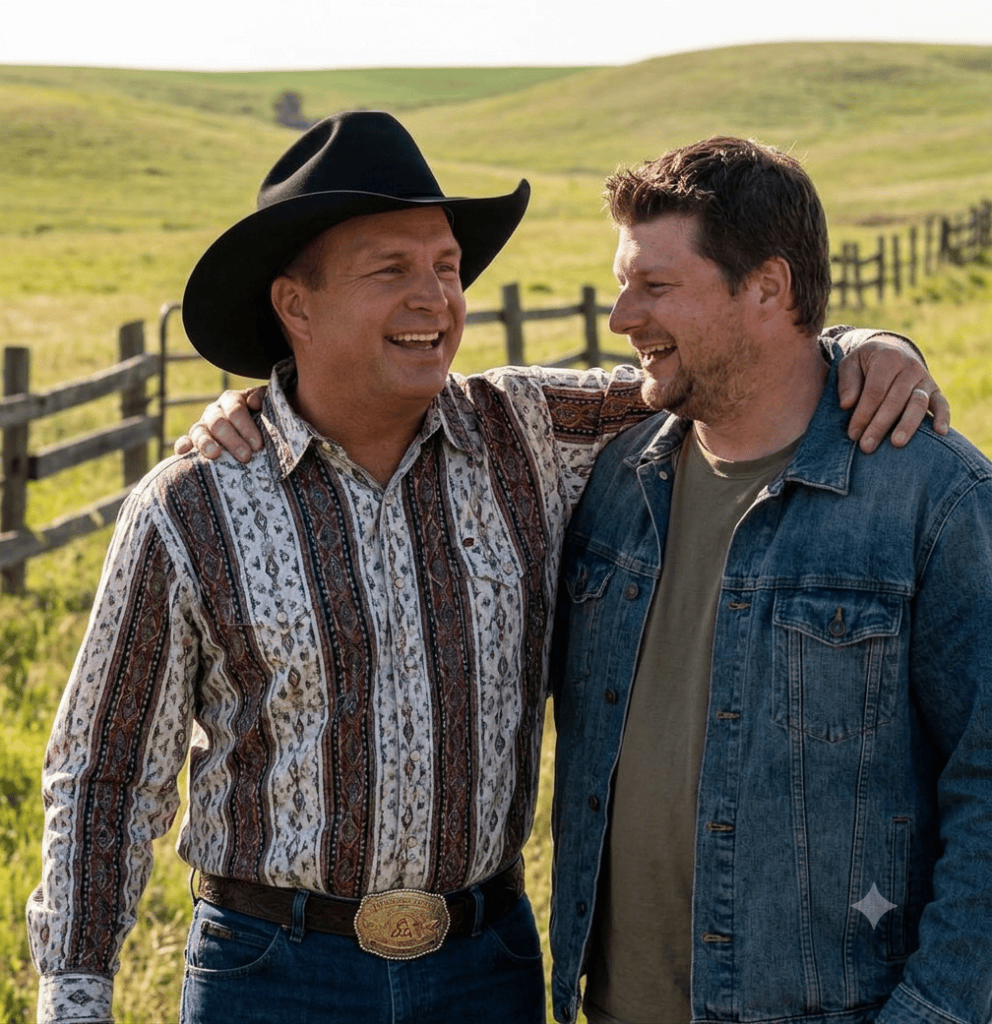
There is an electric moment right before a stadium goes completely dark. Eighty thousand people lean forward, holding a collective breath, waiting for a man in a black Stetson to sprint across the stage like an unleashed freight train.
When you strip away the massive ticket sales and diamond records, you find an artist who understands the human heart on a profoundly spiritual, raw level. Garth Brooks didn’t just revolutionize country music by injecting arena-rock energy into honky-tonk storytelling—he made honesty the central currency of his art.
Garth once put his purpose plainly:
“You aren’t wealthy until you have something that money cannot buy.”
That conviction bleeds through every single lyric he delivers.
The Anthems and the Quiet Truths
Everyone knows “The Dance.” It’s an undeniable masterpiece, a timeless reckoning with grief and gratitude that reminds us pain is often the necessary price of having truly lived. But Garth’s catalog runs much deeper than stadium singalongs.
Look at “The Change,” a track that feels less like a radio single and more like a moral compass:
“I hear them saying, ‘You’ll never change things / And no matter what you do, it’s still the same thing’ / But it’s not the world that I am changing / I do this so this world will know that it will not change me.”
That isn’t cheap bravado. That is steady, unwavering conviction. It speaks to anyone striving to keep their spirit whole while moving through an unyielding world.
Then there are the quieter treasures—songs like “Learning to Live Again.” Garth belts it out not just with power, but with genuine hesitation, vulnerability, and trembling hope. It captures the awkward, terrifying first steps of stepping back out into life after devastating loss, holding a hand that isn’t familiar yet, trying to remember how laughter feels. When Garth hits those soaring notes at the song’s climax, it isn’t an exercise in vocal acrobatics. It’s an act of catharsis.
A Commander of the Arena, A Servant of the Song
Watch Garth on stage and you see a master class in total presence. He sprints, climbs lighting trusses, smashes guitars, and pours out sweat like an athlete in the fourth quarter. Yet, in the very next breath, he will hush an entire arena to a dead silence, wiping away real tears as a crowd sings back to him.
He treats his audience not as spectators, but as partners in communion:
“I spend most of my time at concerts hoping for that one second that the artist looks at me, I look at the artist, and that’s when I get to say, ‘Thank you.'”
That compassion isn’t a stage trick. It comes from an innate gratitude—a man who never forgot that the music is bigger than the performer.
The Soul Patch, the Sweat, and Taking the Hit
Of course, you can’t talk about Garth’s artistic journey without talking about the late-90s detour that baffled the planet: the Chris Gaines era.
Trading the cowboy hat for sweeping bangs and a soul patch to play a fictional Australian rocker was met with collective bewilderment. Most superstars would hide that chapter away, sanitize their Wikipedia page, and pretend it never happened. Not Garth. Over the years, he has leaned into the saga with disarming warmth and self-deprecating humor.
Reflecting on the whole ordeal, Garth famously quipped:
“A lot of people misunderstood it, and my ribs are still sore from getting the shit kicked out of me for it.”
He took the punch, laughed at himself, and kept moving. He understood that taking creative risks sometimes means falling flat on your face—and having the humility to laugh about it afterward is the truest mark of security in who you are.
The Power in the Roar
Whether he is leading a roar across a sea of strangers or whispering through the quiet ache of starting over, Garth Brooks reminds us why music matters in the first place. It gives language to our unspoken grief, validates our daily battles, and brings us together under the same roof to remember that none of us are walking through the fire alone.


 A Personal ELENCHUS