250 Years of Sparks: From Philadelphia to the Semiquincentennial
We made it to the big one.
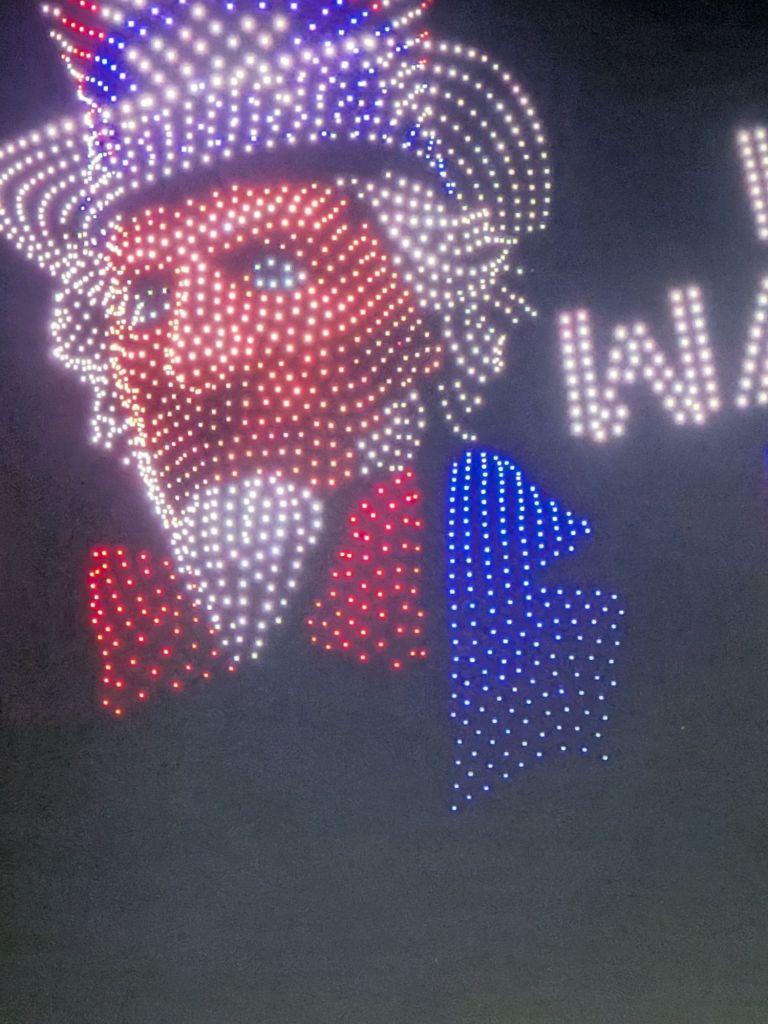
Today is Saturday, July 4, 2026—the Semiquincentennial. It’s America’s 250th birthday, and if the sky outside your window looks anything like the rest of the country right now, it’s a canvas of red, white, and blue.
This year feels different. We aren’t just lighting sparklers and firing up the grill; we’re stepping into a massive historical milestone. From the “America 250” tall ship fleets in New York Harbor to World Cup matches overlapping with the Fourth of July weekend, 2026 is a nationwide reflection on an experiment that started with a single sheet of parchment.
But how did we get from a sweltering room in Philadelphia to a globally recognized holiday of pyrotechnics and barbecue?
Explore the interactive timeline below to see how our July 4th traditions evolved over two and a half centuries:
The Room Where It Happened: 1776
We often picture the founding of the country as a pristine, dignified affair. The reality was a lot messier.
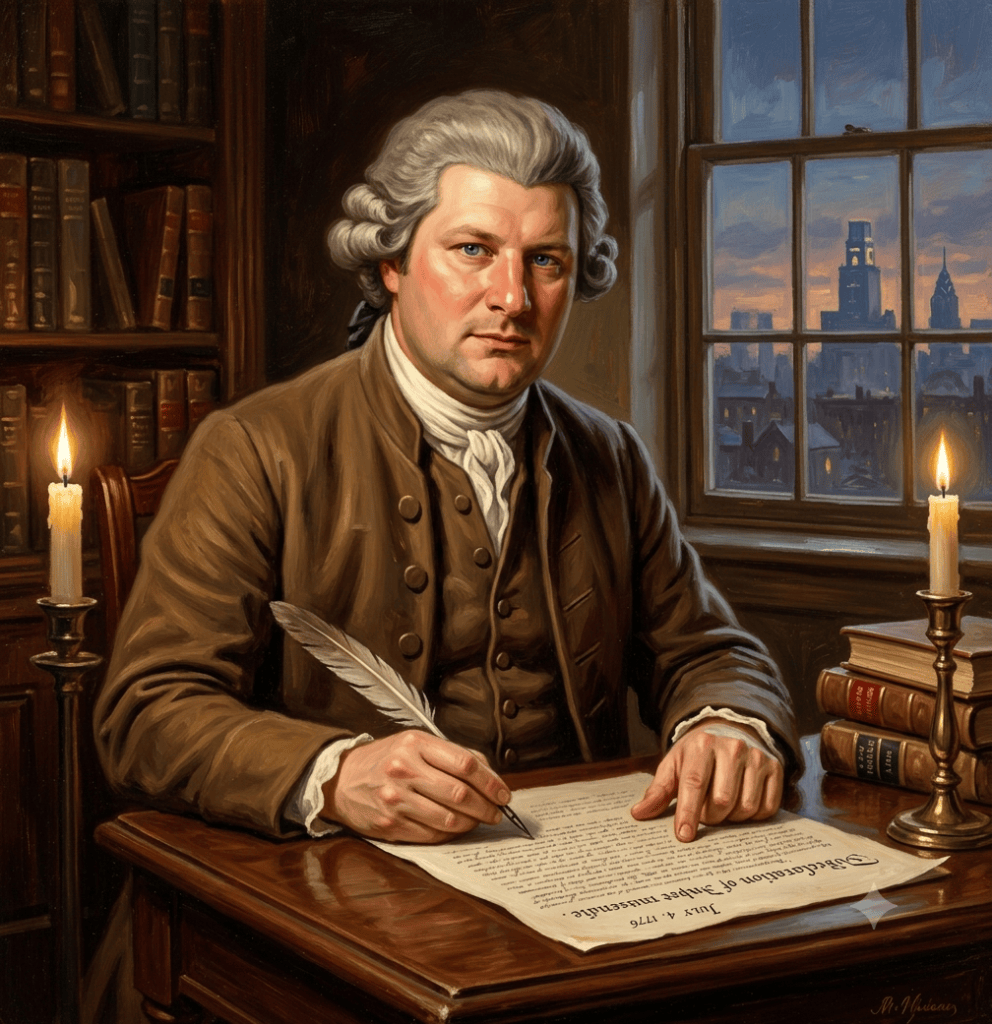
In the summer of 1776, the Second Continental Congress was holed up in the Pennsylvania State House. It was brutally hot, horse flies were biting through the delegates’ silk stockings, and the penalty for what they were doing was hanging for treason against the British Crown.
“I am apt to believe that it will be celebrated, by succeeding Generations, as the great anniversary Festival… It ought to be solemnized with Pomp and Parade, with Shews, Games, Sports, Guns, Bells, Bonfires and Illuminations from one End of this Continent to the other from this Time forward forever more.”
— John Adams (writing in a letter to his wife, Abigail, on July 2, 1776)Adams was actually talking about July 2nd—the day the Congress formally voted for independence. But the final text of the Declaration wasn’t approved until July 4th, and that’s the date that ended up stamped at the top of the parchment.
The Evolution of the Boom
It didn’t take long for Adams’s vision of “illuminations” to become reality.
- 1777: The very first organized celebration took place in Philadelphia on the first anniversary. The city fired 13 cannon shots and set off fireworks over the commons.
- 1870: Congress finally made July 4th an unpaid national holiday for federal employees. (It wouldn’t become a paid holiday until 1941).
- 1976: The Bicentennial. A cultural reset where the nation, recovering from the Vietnam War and Watergate, threw a massive 200th-anniversary party marked by tall ships, red-white-and-blue fire hydrants, and the cross-country Freedom Train.
- 2026: The Semiquincentennial. A year-long build-up culminating today, focusing not just on the founders, but on the 250 years of everyday citizens who continuously pushed the country to live up to its founding promises.
Writing the Next Chapter
As you watch the fireworks tonight—whether you’re crammed onto a city block, sitting in a stadium, or just lounging in a lawn chair in your driveway—take a second to look past the explosions.
Freedom is never a finished product; it’s an ongoing process. The ink on that parchment dried 250 years ago, but the American story is still being written by all of us, every single day.
Happy Semiquincentennial, America. Stay safe out there tonight.


 A Personal ELENCHUS